
Last updated November 24, 2026
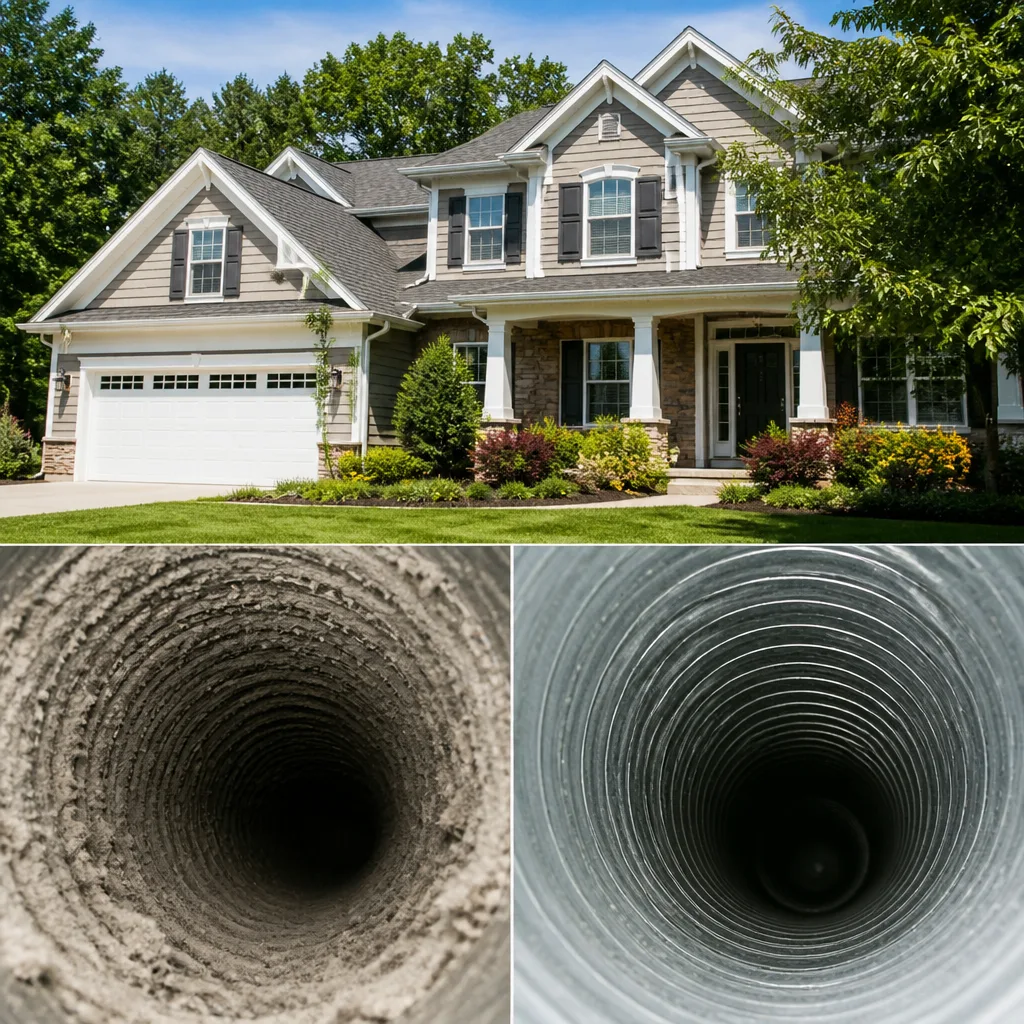 Whole-home duct cleaning
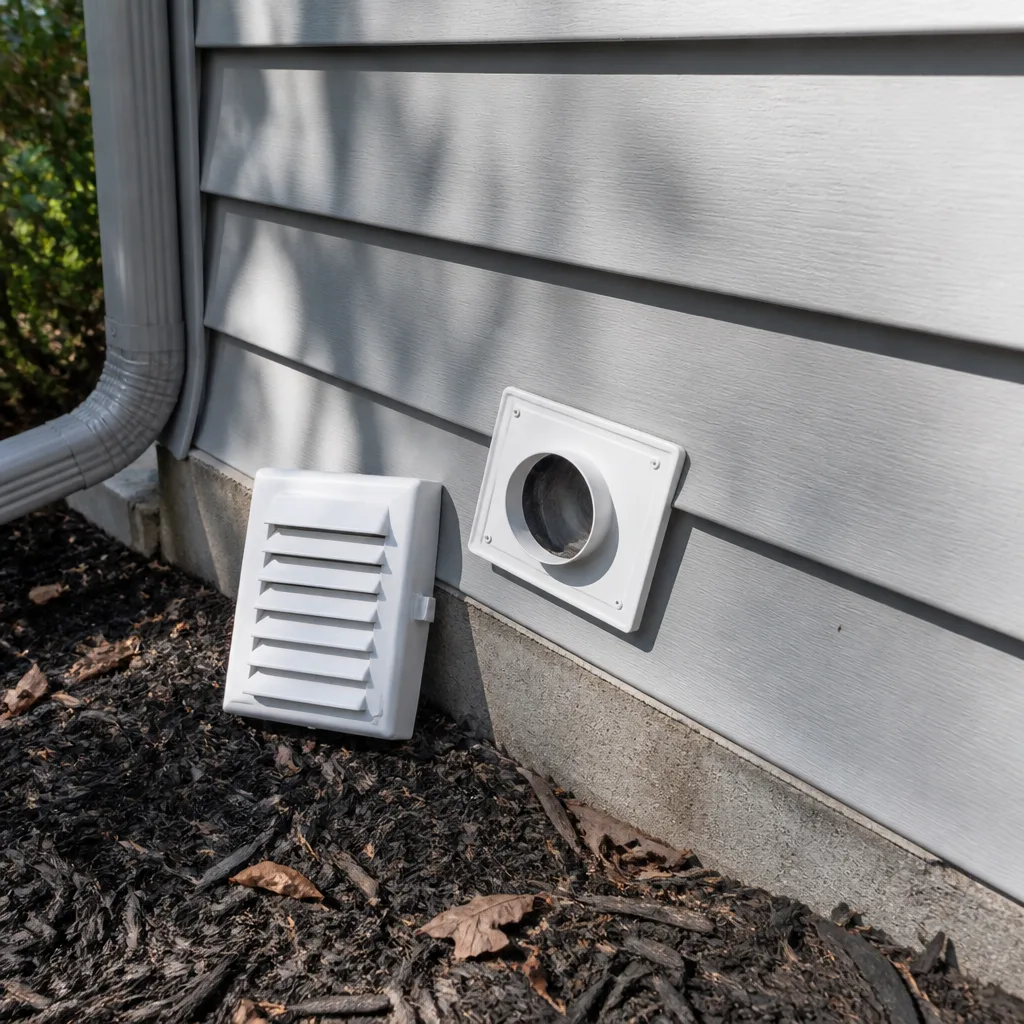 Dryer vent cleaning
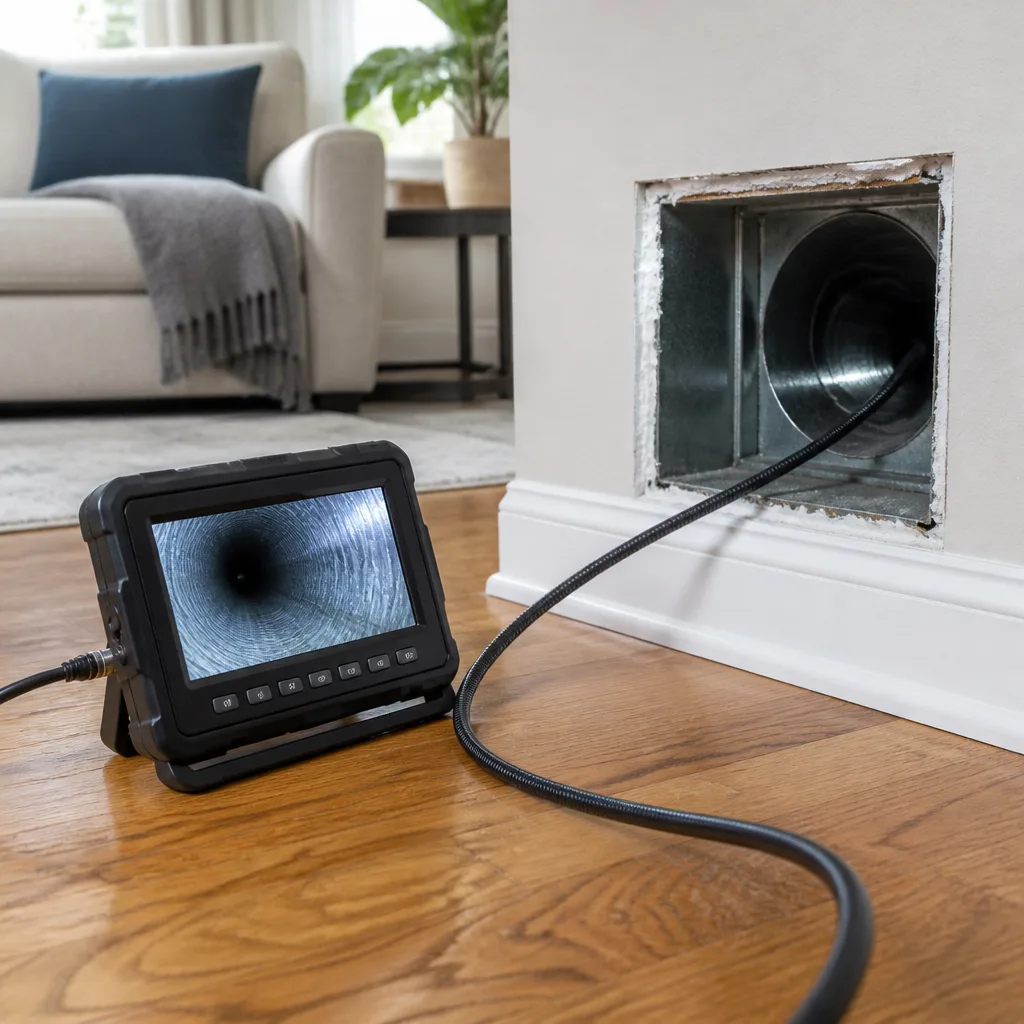 Camera inspection
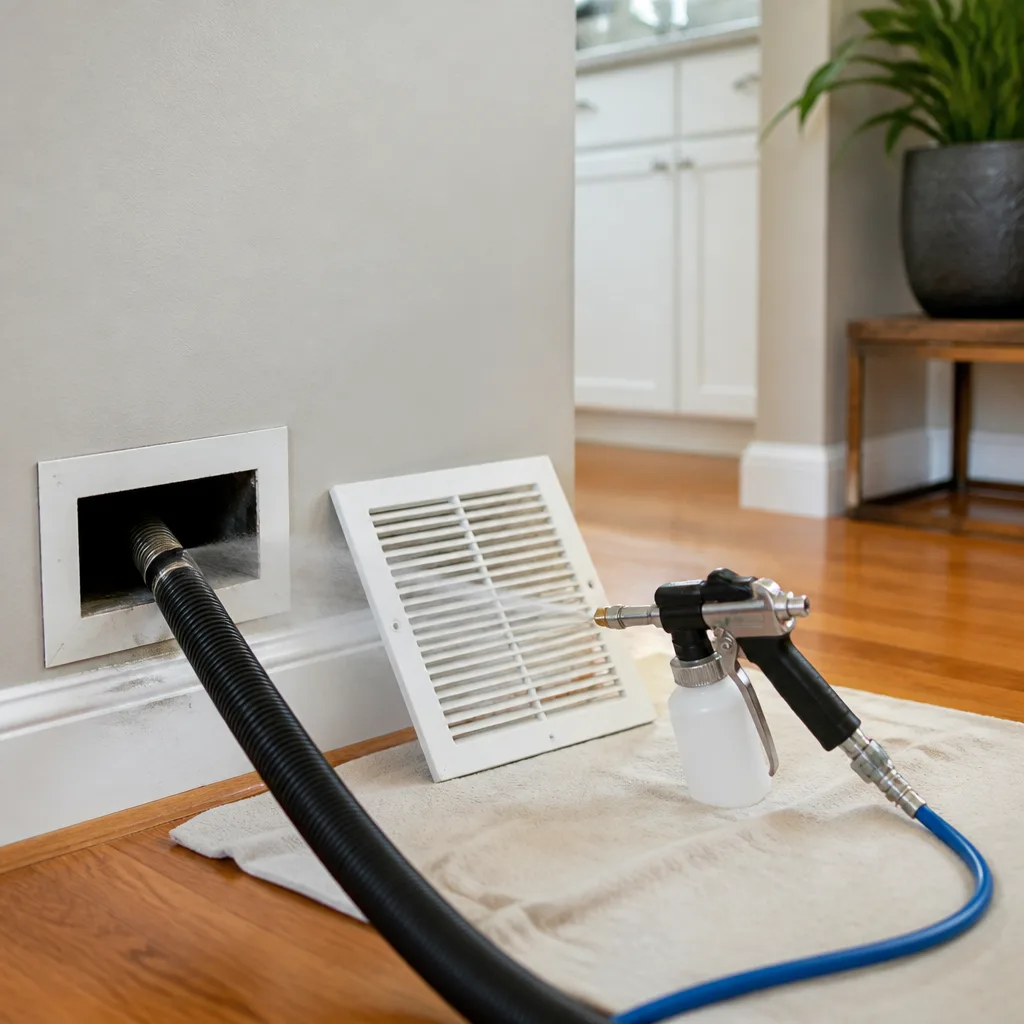 Sanitizing & deodorizing
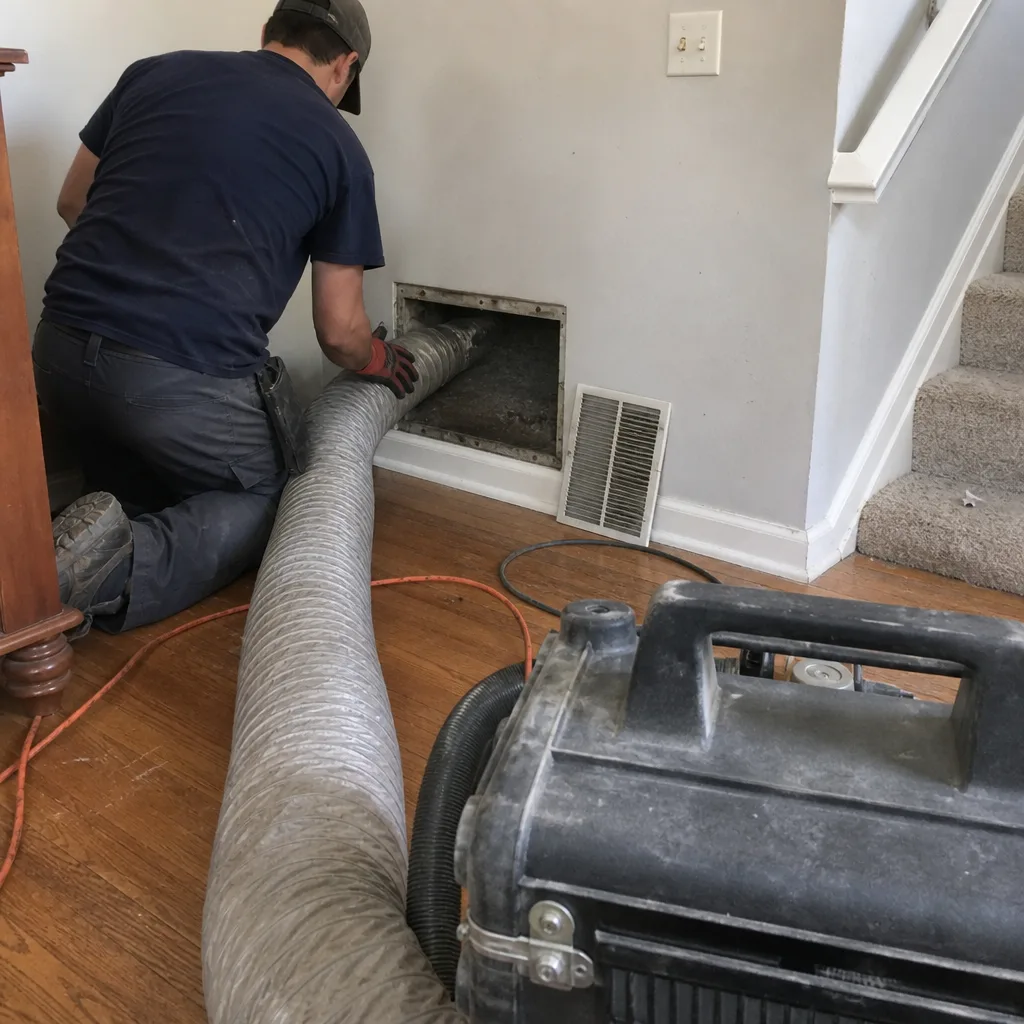
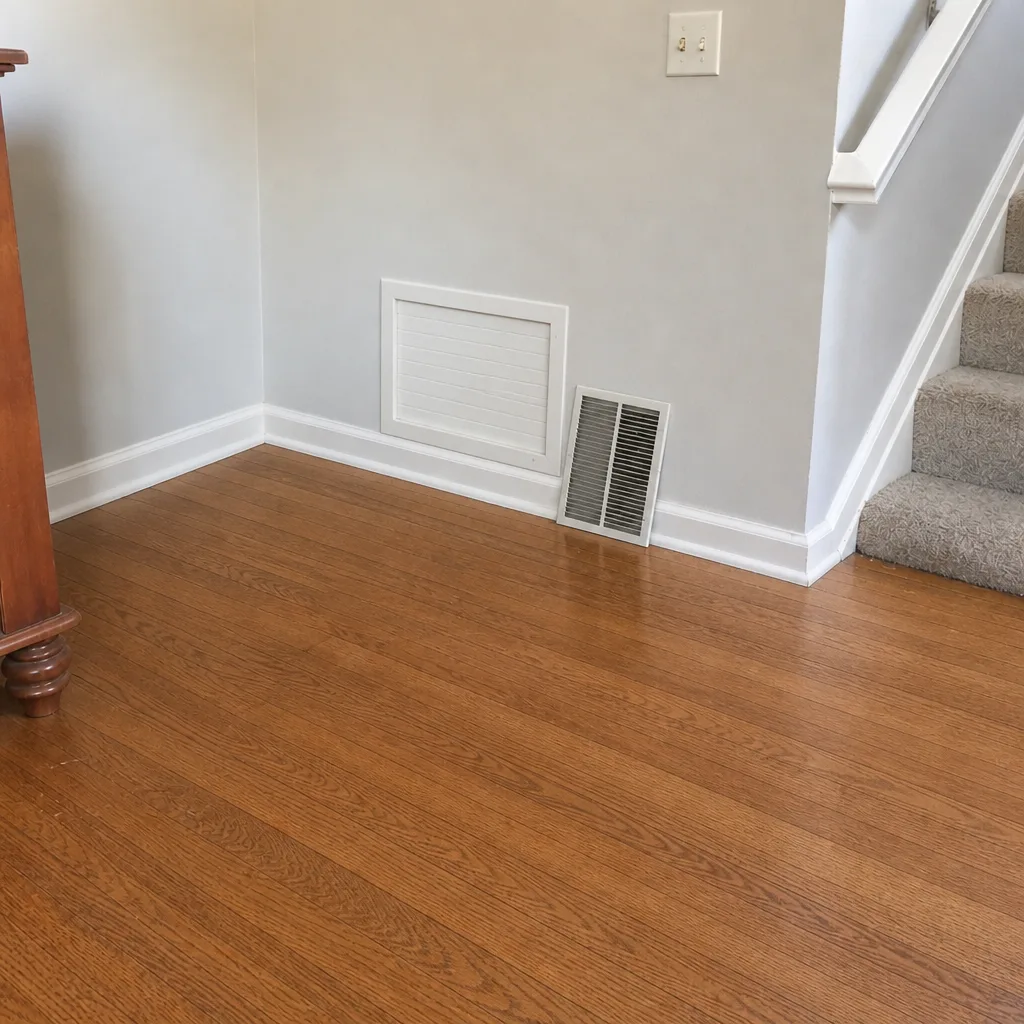
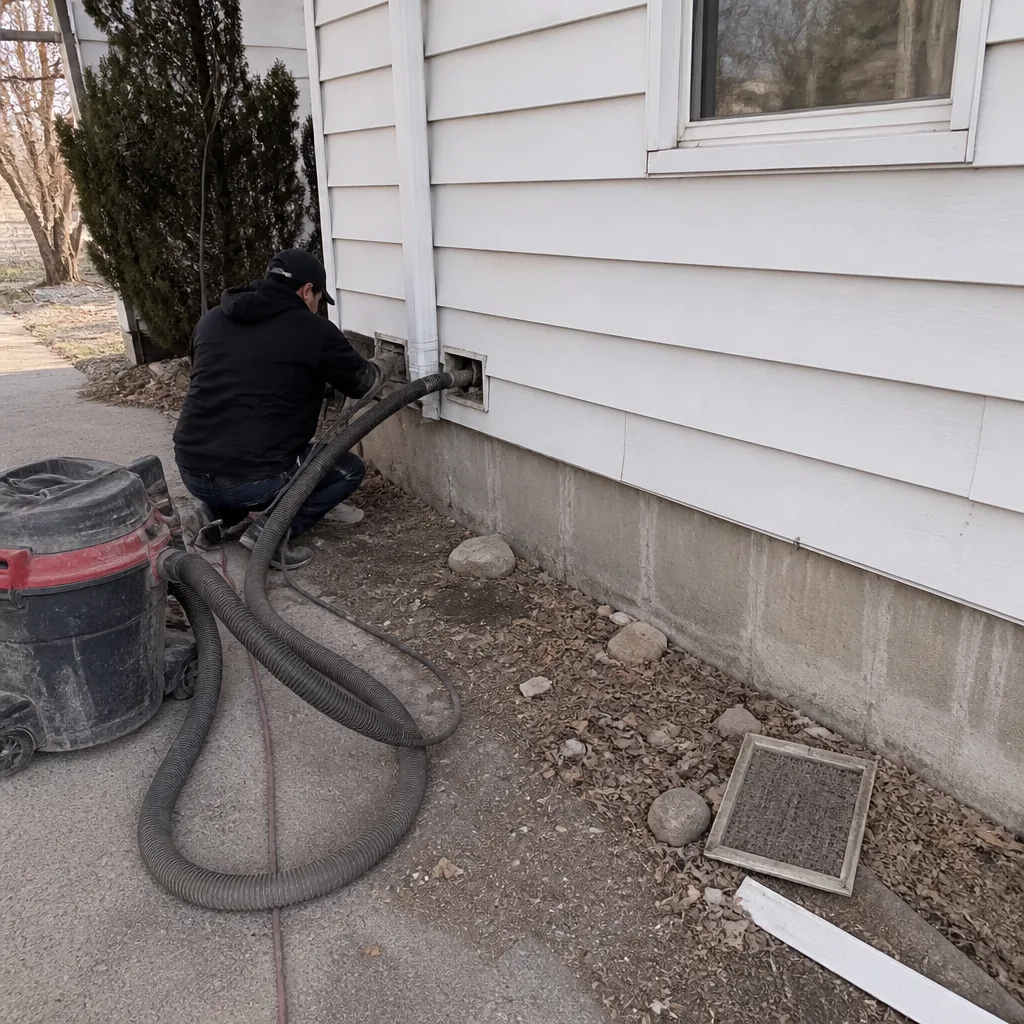
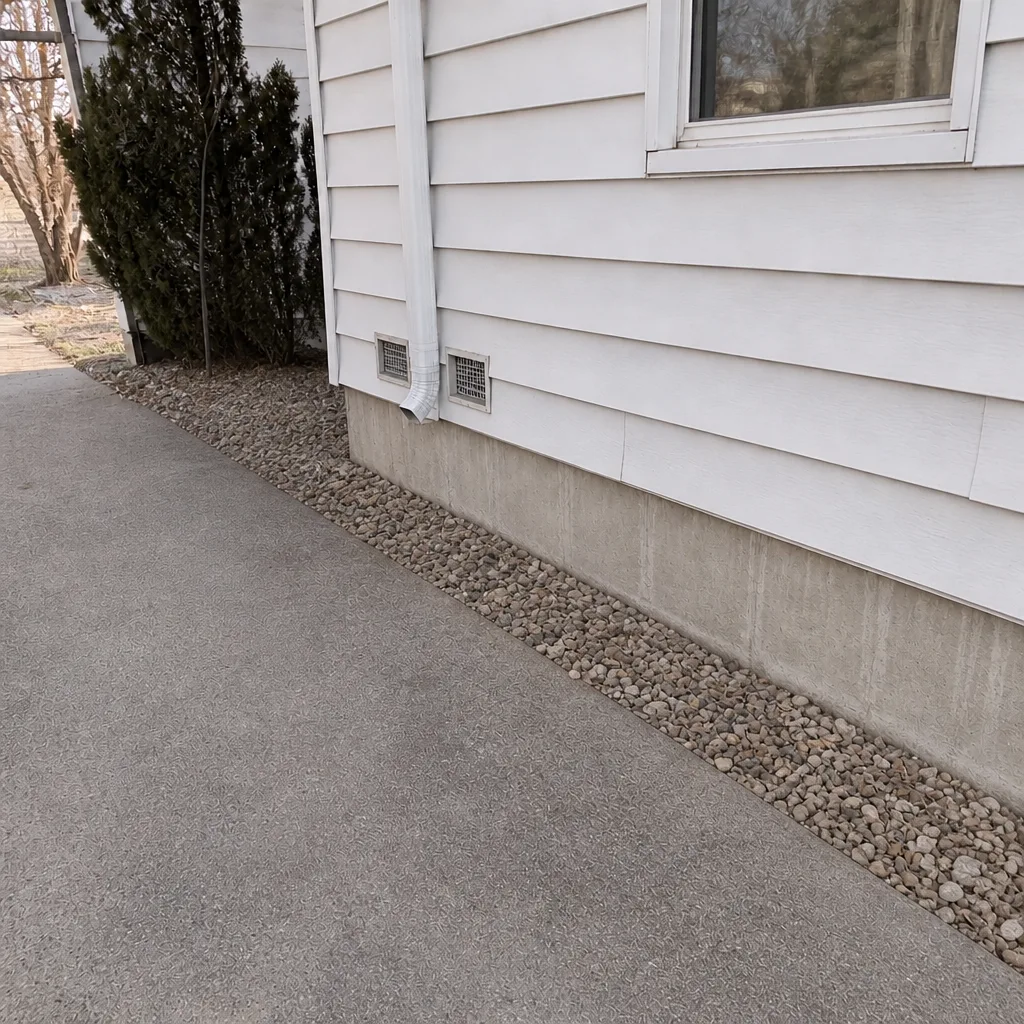
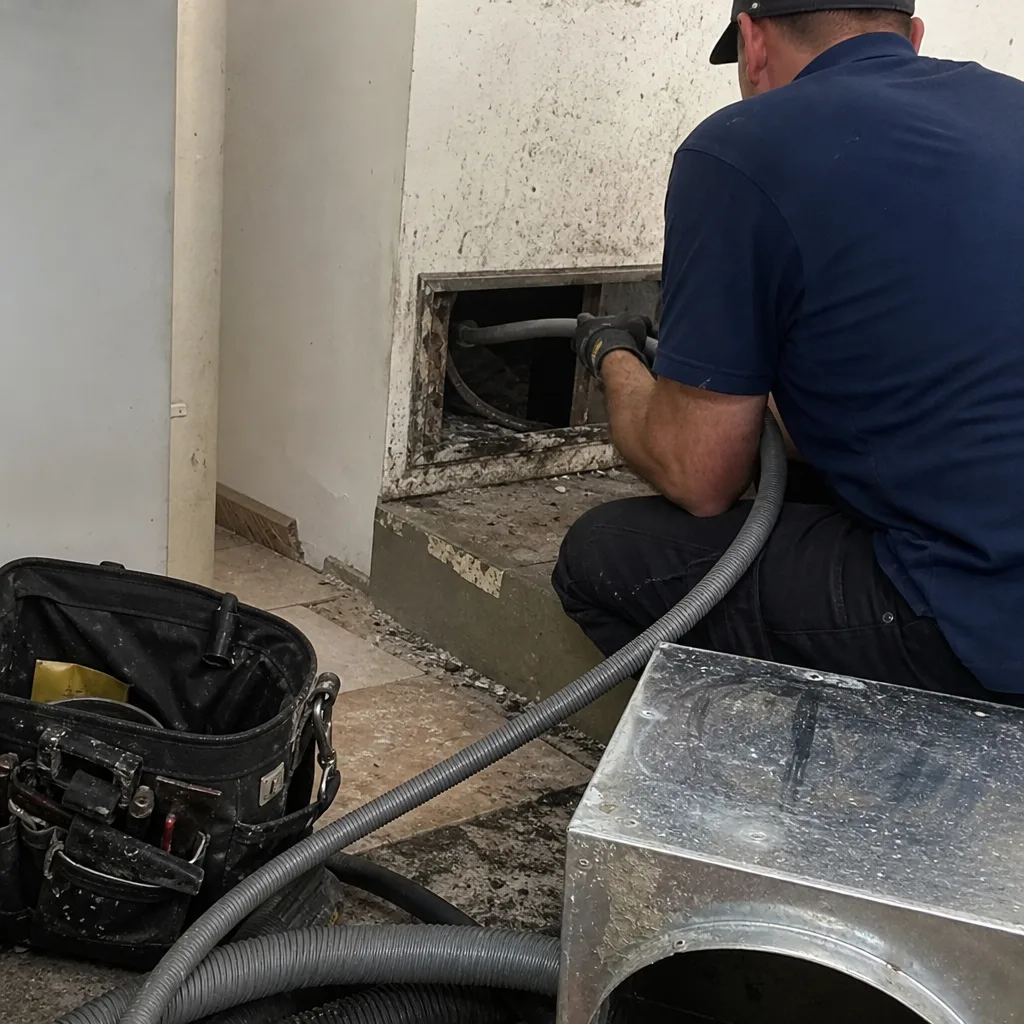
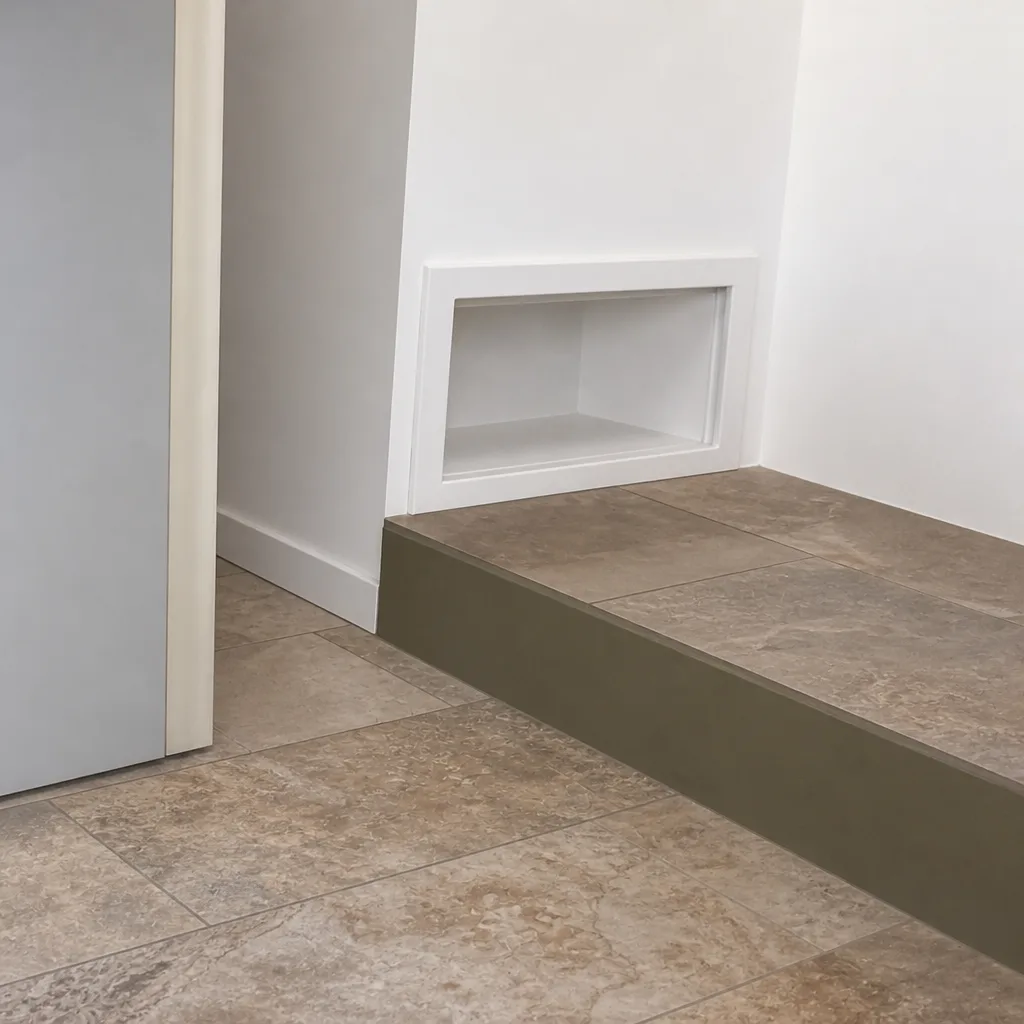
Whole-system duct and dryer vent check with before-and-after photos - you see exactly what came out of your vents
That "$99 whole-house special" is a bait ad - the real number appears once they are in your hallway, or the "clean" is a shop-vac at the register. We photograph the inside of your ducts before and after instead.
How to Hire an Air Duct Cleaning Contractor in Salt Lake City: A Step-by-Step Guide
Utah does not require a specialty license to call yourself an air duct cleaner. That single fact explains almost everything about this market. A $99 coupon and a fully equipped professional job can sit side by side on the same search results page with no visible credential difference between them, and the homeowner is left to sort it out. The vetting burden falls entirely on you, not on the state. This guide gives you the questions to ask before you book, the equipment answers that disqualify a bidder, the quote structure that exposes padding, and the on-site walk-through that separates a professional from a van and a vacuum. In Salt Lake City, where winter inversions keep windows shut for months, this matters more than in most places.
Quick Answer
Hire an air duct cleaning contractor in Salt Lake City by verifying the business registration and insurance certificate first, then asking about equipment and process before you discuss price. A legitimate contractor works to the NADCA ACR standard, uses negative-pressure equipment with a documented CFM rating, and walks your system before quoting. If a bidder can’t answer equipment and process questions, stop there. Price is the last question, not the first.
Styles & brands we work with
- Whole-home duct cleaning
- Dryer vent cleaning
- Camera inspection
- Sanitizing & deodorizing
Table of Contents
- Why There’s No License to Check in Utah
- How Do You Verify a Contractor Before Booking?
- What Is the NADCA ACR Standard and Why Does It Matter?
- What Equipment Questions Should You Ask Before Booking?
- How Should a Comparison Quote Be Structured?
- What Happens in the First 10 Minutes on Site?
- What Are the Warning Signs of a Bad Bidder?
- What Does Air Duct Cleaning Cost in Salt Lake City?
Why There’s No License to Check in Utah
Utah’s Division of Occupational and Professional Licensing regulates a long list of trades. Air duct cleaning is not on it at the specialty level. There is no state-issued duct cleaning license, no required exam, and no minimum equipment standard written into law. Anyone with a business registration and a vacuum can advertise.
That’s not a loophole anyone is exploiting so much as a gap in how the trade grew. Duct cleaning sits between HVAC work and janitorial service, and regulation hasn’t caught up. In practice, this means a Salt Lake City homeowner comparing three bids has zero official signal to work with. The certification a contractor holds, the equipment they run, and the standard they follow are all voluntary. That’s exactly why you have to ask.
It also means the certification question is genuinely useful. A contractor who has invested in NADCA certification, or in equipment from Rotobrush or Nikro, has made a choice that the state didn’t force on them. That choice is the signal. Someone who can’t name their equipment or their standard hasn’t made it.
Salt Lake City adds a wrinkle. The valley’s winter inversions trap fine particulate in the air for weeks, and homes here run furnaces hard from November into March. Duct systems in older neighborhoods like Sugar House, the Avenues, and Rose Park collect that load season after season. A thorough cleaning in this climate removes meaningfully more material than the same job in a milder market, which makes the quality gap between a real job and a discount sweep wider, not narrower.
How Do You Verify a Contractor Before Booking?
Verification takes about fifteen minutes online and one phone call. Do it before anyone comes to your door. Here’s the sequence.
- Pull the business registration. Search the business name on the Utah Division of Corporations and Commercial Code site. You want an active registration with a real business address, not a residential P.O. box that changes every few months.
- Ask for the certificate of insurance. A legitimate contractor carries general liability insurance and can email a certificate naming the coverage. Ask whether they carry workers’ compensation. If they can’t produce a certificate, the bid ends there. If a ladder goes through your ceiling or someone gets hurt in your attic, uninsured work becomes your problem.
- Check the Utah Division of Consumer Protection. Search the business name for complaint records. One resolved complaint is not a disqualifier. A pattern of unresolved ones is.
- Confirm the certification. NADCA membership and the Air Systems Cleaning Specialist credential are both verifiable directly with the association. Ask for the credential and check it.
- Get the quote in writing. Scope, equipment, access points, and a flat price for the whole system. A verbal number over the phone isn’t a quote.
We connect Salt Lake City homeowners with independent local professionals who are licensed and insured as their state requires, and the vetting above is exactly what we’d want you to run on anyone, including the pro we send. None of it is difficult. It’s just that almost nobody does it, which is why the discount segment keeps winning bids.
What Is the NADCA ACR Standard and Why Does It Matter?
The NADCA ACR standard is the industry’s written assessment, cleaning, and restoration standard for HVAC systems. A contractor who references it unprompted is telling you they work from a defined process rather than a sales script. That reference is worth more than any coupon.
What the standard actually requires them to do is the useful part:
- Assess before cleaning. The system gets evaluated and documented before work starts, including what’s accessible and what isn’t. You should see photos of conditions found.
- Put the system under negative pressure. The cleaning area is sealed and held under vacuum so dislodged debris travels toward the collection unit, not into your living room. This is the core of the standard and the core of why cheap jobs fail.
- Clean the components, not just the openings. Supply and return ductwork, registers, grilles, diffusers, the air handler, and the coil where accessible. A job that touches only the visible registers is not a cleaning by this standard.
- Use contact vacuuming where surface cleaning is required. Negative pressure pulls the loose material; contact vacuuming with a brush or whip addresses what’s adhered to the duct wall.
- Verify and document the result. Before-and-after photos of your system, not stock images, and a report of what was found and removed.
Ask the question plainly: “Do you work to the NADCA ACR standard, and can you walk me through what that involves on my system?” A professional answers without hesitation. A van-and-vacuum operator changes the subject to price. For a closer look at what a full-scope job includes, see our page on air duct cleaning.
What Equipment Questions Should You Ask Before Booking?
Equipment is the fastest filter you have. The answers are concrete, and a bidder either knows them or doesn’t. Ask these three before anyone schedules a visit.
Truck-mount or portable, and what’s the CFM rating?
Truck-mounted units generate far more airflow than portable units, and airflow is what actually moves debris out of a duct run. Ask for the CFM rating of the equipment they’ll use. A professional knows the number and can tell you how it compares. Portables have legitimate uses, particularly in commercial buildings or where a truck can’t park close, but a residential job run entirely on a shop-style portable is underpowered for the work. If the answer is “it’s a strong vacuum,” that’s a no.
What’s the brush system, and how do you handle different duct types?
Duct systems aren’t uniform. Sheet metal, flex duct, and duct board each need different handling, and flex duct in particular can be damaged by an aggressive brush. A professional describes their rotary brush and whip options and how they match the tool to the duct material they find. Someone who says “one brush fits all” will either leave material behind or tear your flex runs.
What filtration and containment do you deploy?
The point of negative pressure is containment, and containment needs filtration at the collection end. Ask what air-filtration equipment they run on site. Professional operations use HEPA-grade collection units from manufacturers like Abatement Technologies to capture fine particulate at the source. That’s the difference between cleaning your ducts and redistributing what was in them across your furniture. Our technicians have up to 14 years of experience with these systems, and the equipment list is one of the first things we’d encourage you to ask about.
Two more questions worth asking: do they inspect and clean the air handler and coil, and do they carry the product knowledge to work around existing air-quality hardware? Many Salt Lake City homes have Aprilaire or Honeywell components installed, and a contractor who isn’t familiar with them may disturb or bypass a humidifier or filtration cabinet during cleaning.
How Should a Comparison Quote Be Structured?
A quote you can compare line by line is a quote from someone who plans the work. Ask every bidder for the same structure, then put them side by side.
- System scope. Number of supply and return runs, registers, and whether the air handler and coil are included. Vague scope is where cheap quotes hide.
- Equipment to be used. Make, model or type, and CFM rating. Named equipment you can look up.
- Access and containment plan. How they’ll seal and protect the living space.
- Included documentation. Before-and-after photos and a written summary of conditions found.
- Price for the whole system. One flat number, agreed before work starts.
Now the add-ons. Legitimate extras include duct repair and sealing where the inspection reveals disconnected or leaking joints, sanitizing of duct interiors after cleaning, and dryer vent cleaning as a separate service. Those are real work with real scope. Upsell tactics look different: per-vent pricing that balloons once the technician counts your registers, a “sanitizing fog” pushed before anyone has looked at the system, or a coil cleaning sold as mandatory before inspection. If an add-on can’t be explained in terms of what was found during the assessment, it’s a sales line.
On pricing structure generally: one flat price per system, agreed before work starts, with no per-vent pricing. That’s the model that removes the bait-and-switch risk, and it’s the one to insist on when you’re comparing Salt Lake City bids. If a contractor won’t commit to a system price until they’re standing in your basement, that’s the whole answer.
What Happens in the First 10 Minutes on Site?
Watch what the technician does in the first ten minutes. It tells you more than the quote did.
A professional does this:
- Inspects the access points and confirms how each run will be reached before setting up.
- Maps the system, noting supply and return layout, the air handler location, and any flex or duct board runs that need different handling.
- Checks static pressure at the air handler, which indicates whether the system is moving air the way it should and whether a restriction needs attention.
- Sets up containment and negative pressure before any cleaning begins, and shows you the collection unit.
- Photographs conditions found before cleaning starts, so the before-and-after comparison means something.
Someone who goes straight to the registers does not. If the first move is pulling a floor grille and pushing a hose in, without a system map, without a pressure check, and without containment set up first, the rest of the job will follow the same pattern. These are the jobs where dust settles on your shelves an hour after the technician leaves.
You can run this test yourself without any technical background. Offer the technician a walk-through before they start. Ask where the returns are and how they’ll isolate each one. If the answer is a shrug, you have your answer.
For the HVAC side of the system, including the air handler and coil, our HVAC cleaning page covers what’s included and why it’s done in the same visit.
What Are the Warning Signs of a Bad Bidder?
Most bad bids announce themselves early. Here’s what to listen for.
- A price quoted over the phone before anyone has seen the system. Every system is different. A number given blind is either a low teaser or a guess.
- Per-vent pricing. It rewards the contractor for finding more vents and penalizes you for having a large system. A flat system price is the only structure that doesn’t create that incentive.
- No equipment names. “Professional-grade vacuum” isn’t an answer. Rotobrush, Nikro, and Abatement Technologies are names you can look up and compare. So is CFM.
- No mention of containment or negative pressure. This is the single most important process detail in the trade.
- Pressure to book on the spot, especially with a discount that expires when the call ends.
- No documentation promised. If you won’t get photos of your own system, you have no way to know the work was done.
- Unwillingness to provide an insurance certificate. This one is disqualifying on its own.
We’ve seen this market from the inside, and the honest version of it isn’t complicated: name your equipment, follow the standard, price the whole system, and show your work. That’s the whole pitch. Anything added to it is usually there to cover a gap.
What Does Air Duct Cleaning Cost in Salt Lake City?
Air duct cleaning in Salt Lake City is priced per system, not per vent, and the range is wide because system size and condition vary so much. Ask every bidder for a flat system price and compare the scope behind each number, because a low figure over a narrow scope isn’t a bargain.
What drives the number up or down:
- System size. Number of supply and return runs and how many levels the system serves.
- Access. Finished basements, tight attics, and older homes with limited access points take longer.
- Condition. Heavy buildup, disconnected joints, or pest debris found during the assessment add repair or sealing scope.
- Add-ons. Sanitizing after cleaning, duct sealing, and separate dryer vent work are quoted as their own line items.
The written estimate sets the final price. That sentence is the one to hold everyone to, ourselves included. A number that changes once the technician is on site is the exact failure mode this guide exists to prevent, and one flat price per system agreed before work starts is the cure.
Two other services belong in a complete picture. Our dryer vent cleaning is quoted separately and addresses a different risk entirely, and it’s worth doing in homes where the dryer runs hard through the winter. And because Salt Lake City’s furnaces work long seasons, a system that’s cleaned properly stays cleaner longer than one cleaned with a light pass. If you want to see how the whole service fits together, start at Salt Lake City Air Duct Cleaning Co.
Common Mistakes to Avoid
- Booking on price alone. The cheapest quote is often priced for a scope that doesn’t include the air handler, containment, or documentation. Compare scope, not headline numbers.
- Skipping the insurance check. Two minutes asking for a certificate of insurance protects your home if something gets damaged. It’s the single most important pre-booking step and the one most homeowners skip.
- Not asking about equipment. If you don’t know whether the unit is truck-mounted or portable, or what its CFM rating is, you can’t tell one bid from another. Ask before you book.
- Assuming a coupon is a price. Coupon figures in this trade are frequently teasers for a basic sweep, with the real work quoted on site. One flat system price is the alternative.
- Accepting per-vent pricing. It creates an incentive to find more vents. Ask for a system price instead.
- Forgetting the air handler and coil. Ductwork that’s cleaned while the coil stays fouled will re-contaminate. Confirm these are in scope, especially in Salt Lake City homes where the system runs hard for months.
- Not asking for before-and-after photos. Without documentation of your own system, you have no way to verify the work. It should be offered, not requested.
See the difference
 Before
 After
 Before
 After
 Before
 After
When to Call a Professional
There are clear signals that it’s time for a professional assessment rather than another round of filters. Musty or stale odors when the furnace kicks on point to microbial growth or debris in the system. Visible dust settling on surfaces days after cleaning suggests a restriction or a leak somewhere in the run. Allergy symptoms that track with the heating season rather than the calendar are worth investigating. Reduced airflow at registers, especially on one side of the house, often means a disconnected or crushed duct. Pest activity in the ductwork needs professional removal, not a shop vacuum.
If a bidder has given you a quote you can’t verify, or you’ve had a discount cleaning that didn’t hold, a second professional assessment is the right next step. Salt Lake City Air Duct Cleaning Co offers free estimates in Salt Lake City. Call (855) 658-4198. We answer 24/7. Fast dispatch from 7am to 7pm, Sunday through Friday.
Frequently Asked Questions
It’s priced per system rather than per vent, and the written estimate sets the final price after the system has been assessed. System size, access, and condition move the number most. Call (855) 658-4198 for an exact quote. Estimates are free.
Because the scope behind them is narrower. A low quote often excludes the air handler and coil, skips containment setup, or prices a basic register sweep rather than a full system cleaning to the ACR standard. Compare what’s included line by line before you compare the totals. Call (855) 658-4198 if you want a scope you can hold us to.
Insist on before-and-after photos of your own system and a written summary of conditions found. A professional documents the assessment before cleaning starts, which is what makes the comparison meaningful. If a contractor won’t provide photos, don’t book. Call (855) 658-4198 to see what our documentation covers.
There’s no universal schedule. Homes with pets, recent renovation, or a history of pest activity need it sooner than a clean, low-occupancy home. In Salt Lake City, where the furnace runs long seasons and winter inversions keep windows shut, a periodic assessment is worth more than a fixed interval. Call (855) 658-4198 to talk through your system.
No. Utah does not issue a specialty license for air duct cleaning, which is why verifying business registration, insurance, and voluntary certification falls to the homeowner. Check the Utah Division of Corporations and the Utah Division of Consumer Protection before booking anyone.
Negative-pressure equipment with a known CFM rating, a rotary brush or whip matched to the duct material, and HEPA-grade filtration at the collection end. Rotobrush, Nikro, and Abatement Technologies are names you can look up and compare. If a bidder can’t name their equipment, keep looking.
The Bottom Line
Utah doesn’t license this trade, so the checks are yours: business registration, insurance certificate, complaint history, and a certification you can verify. Ask about equipment before you ask about price. Expect the NADCA ACR standard to come up unprompted, negative pressure and containment on every job, and one flat price per system agreed before work starts. Watch the first ten minutes on site. A professional maps the system and checks static pressure; a discount operator goes straight to the registers. Do the fifteen minutes of homework up front and the difference between a real cleaning and a sweep becomes obvious.
Ready to compare a quote that holds up to all of it? Call (855) 658-4198 for a free estimate.
Written by the team at Salt Lake City Air Duct Cleaning Co.