
Last updated November 24, 2026
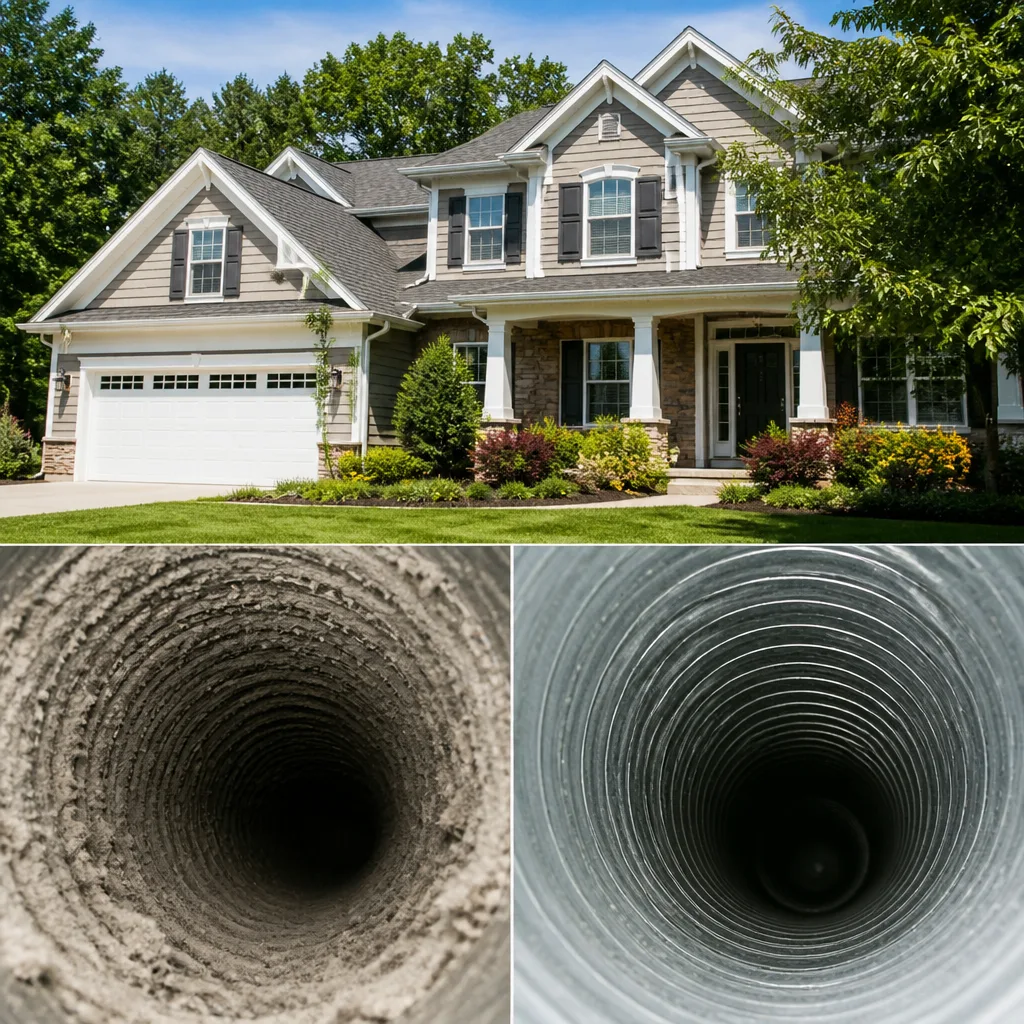 Whole-home duct cleaning
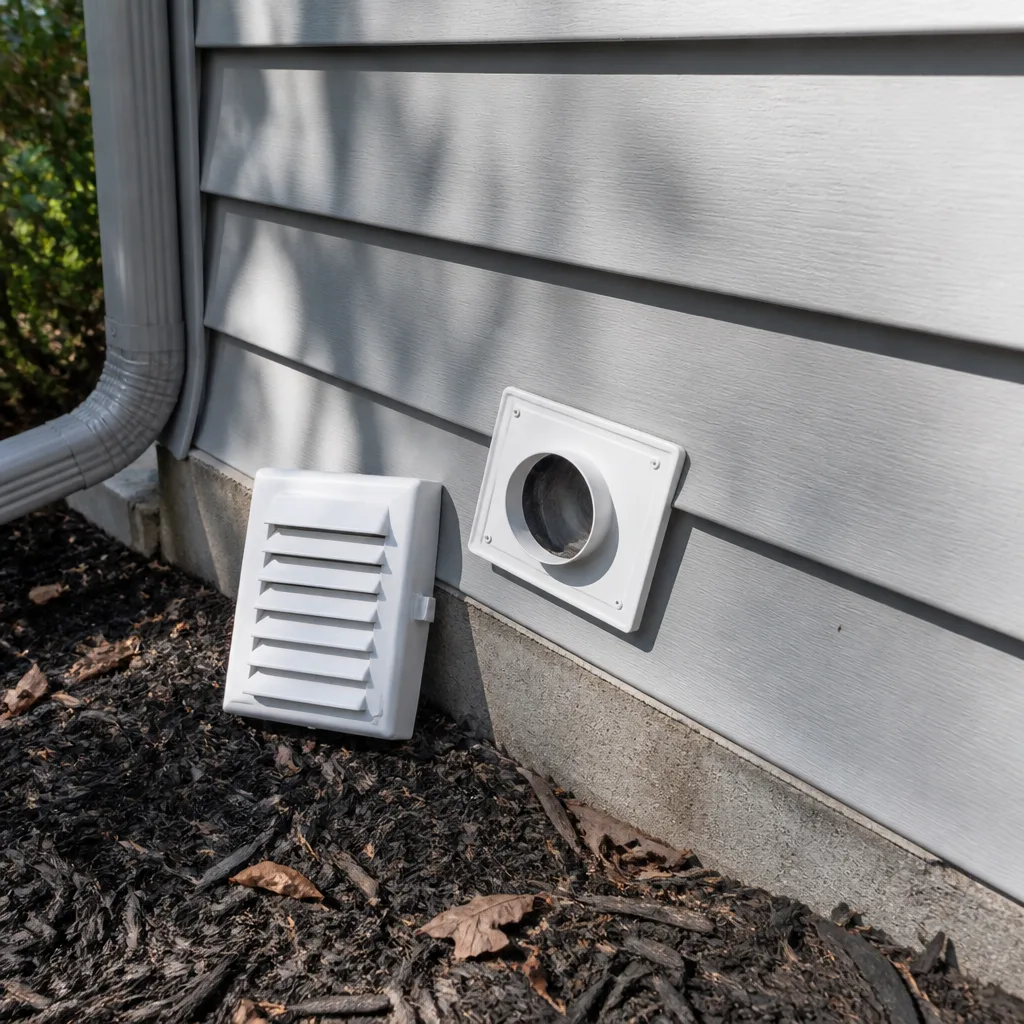 Dryer vent cleaning
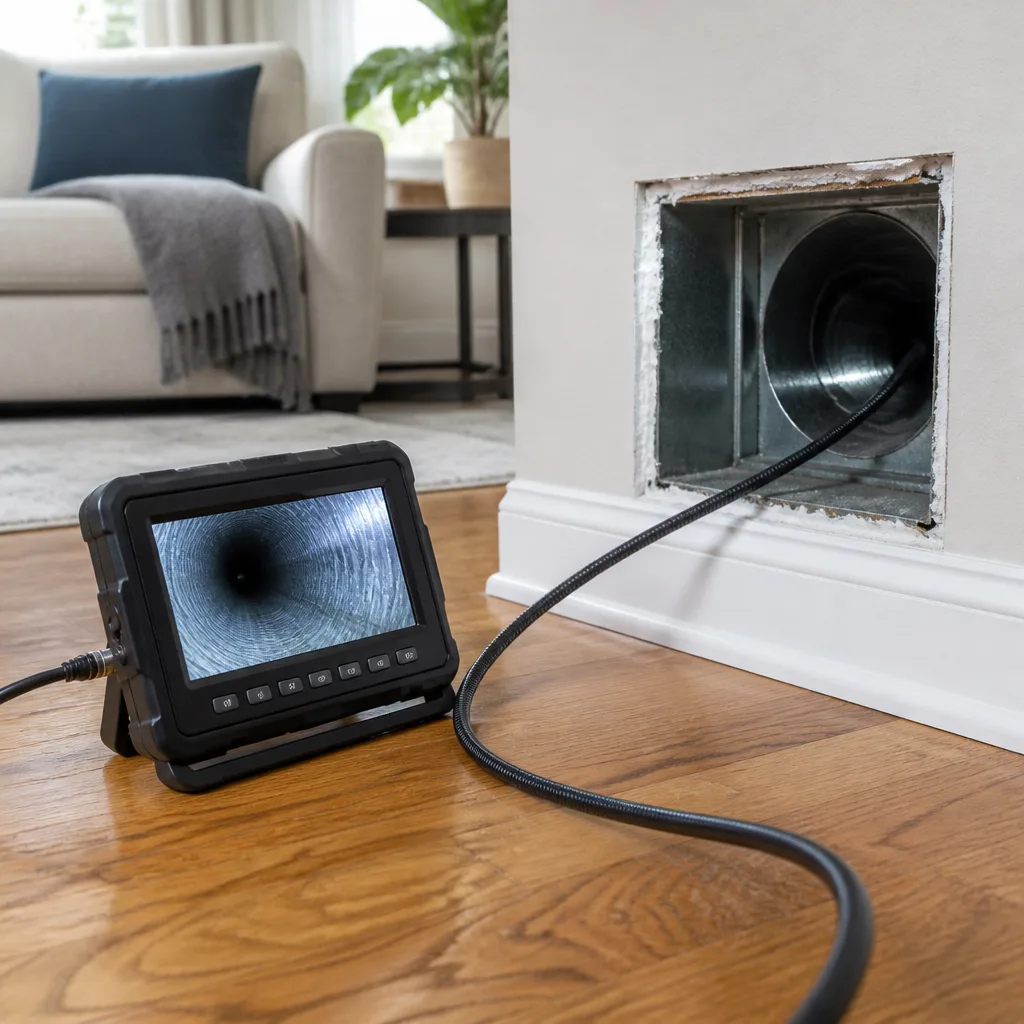 Camera inspection
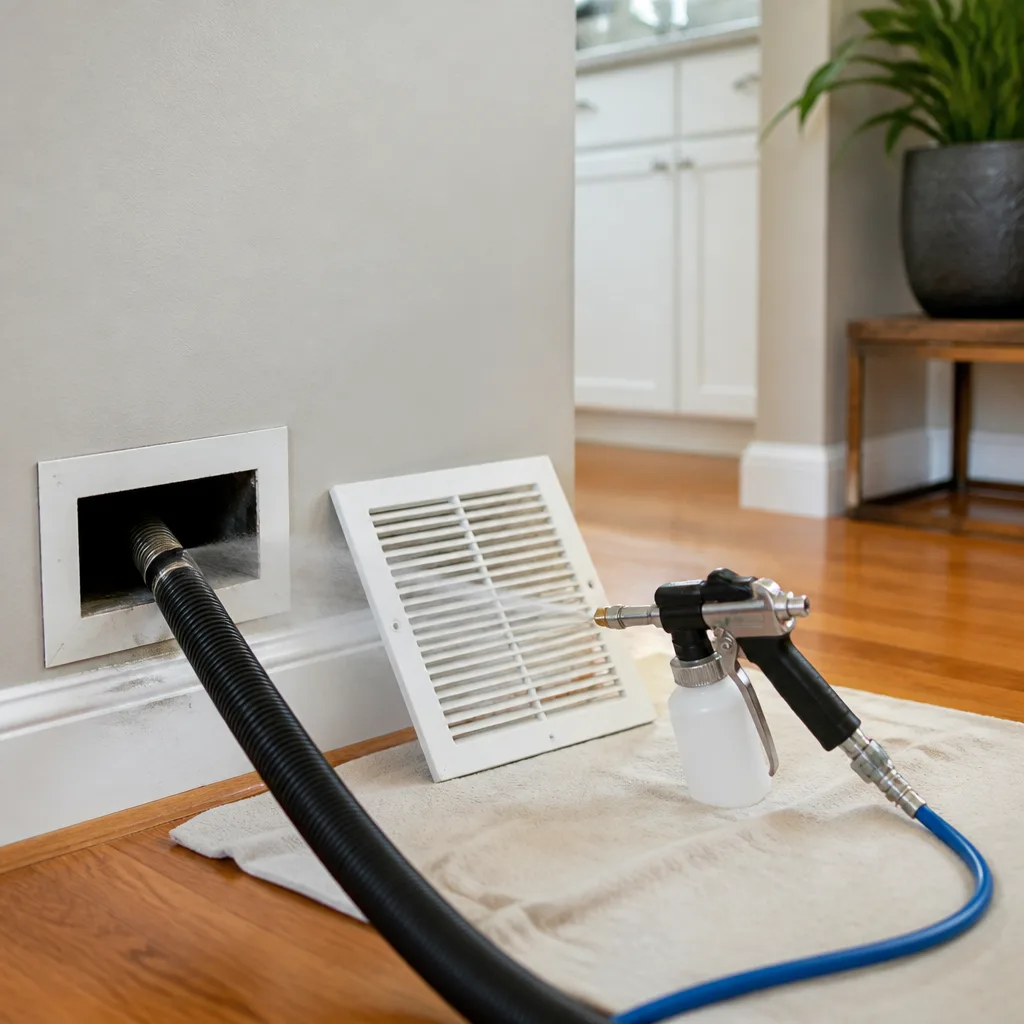 Sanitizing & deodorizing
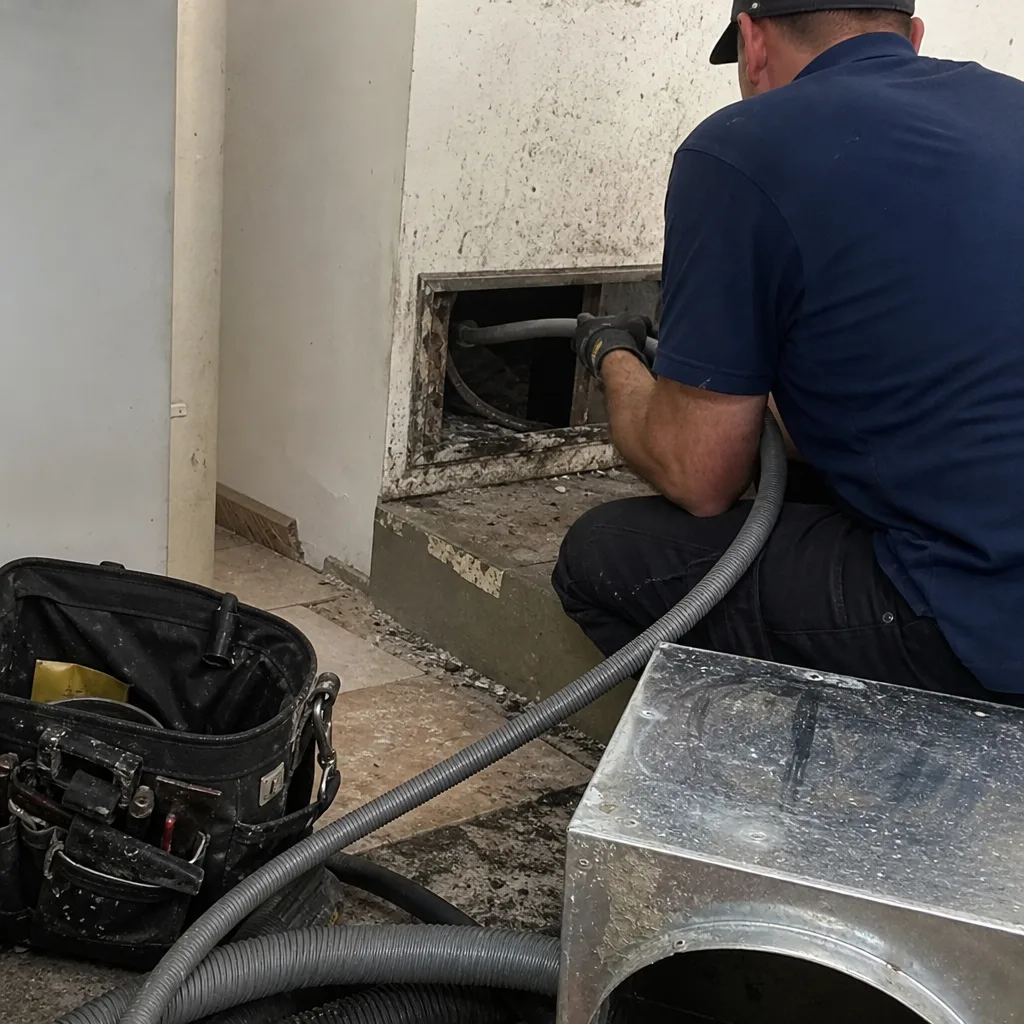
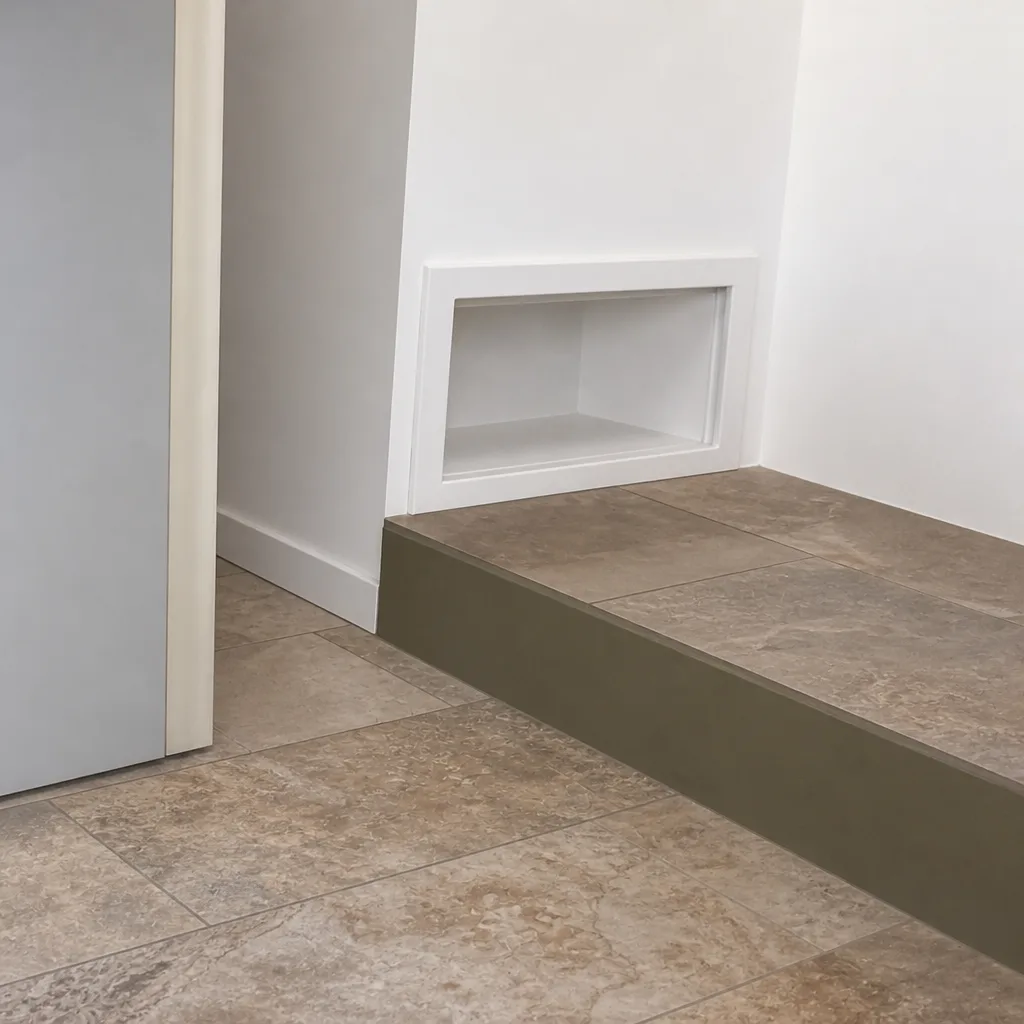
Whole-system duct and dryer vent check with before-and-after photos - you see exactly what came out of your vents
That "$99 whole-house special" is a bait ad - the real number appears once they are in your hallway, or the "clean" is a shop-vac at the register. We photograph the inside of your ducts before and after instead.
Air Duct Cleaning Cost Breakdown: The Salt Lake City Homeowner’s Reference for 2026
The national average for duct cleaning means nothing in Salt Lake City. A 2,400-square-foot rambler with a horizontal attic system costs significantly more to service properly than a two-story home of the same square footage with a conventional basement trunk line, and most online price guides don’t know the difference. They quote a national middle figure and leave you to guess. This reference replaces the guess. We’ll walk through what each price tier actually buys, why a $99 special can’t possibly be the same job as a $600 one, and how Salt Lake City variables from home age to duct material shift the honest range. By the end you’ll have a comparison worksheet and a clear sense of what a fair bid looks like.
Styles & brands we work with
- Whole-home duct cleaning
- Dryer vent cleaning
- Camera inspection
- Sanitizing & deodorizing
Quick Answer
Air duct cleaning in Salt Lake City typically runs $350 to $700 for a standard home, with larger or more complex systems reaching $900 or more. That range covers whole-system service: the air handler, trunk lines, branch runs, and every supply and return register. A $99 or $149 offer cannot include that scope once you account for equipment, labor, and access work, which is why those prices almost always grow once the technician is at the door.
Table of Contents
- Quick Answer
- What You’re Actually Paying For: A Line-Item Breakdown
- How Salt Lake City Homes Shift the Price Range
- The $99 Offer: The Math That Exposes It
- Legitimate Add-Ons vs. Upsells
- The Quote Comparison Worksheet
- What Wide Variance Between Bids Actually Signals
- Common Mistakes to Avoid
- When to Call a Professional
- Frequently Asked Questions
- The Bottom Line
What You’re Actually Paying For: A Line-Item Breakdown
A legitimate duct cleaning quote breaks into discrete scope items, and you should be able to see each one in writing. When you’re comparing bids in Salt Lake City, ask for these line items spelled out. A quote that lumps everything into one number, or that only prices “per vent,” is telling you something about how the work will be performed.
| Scope Item | Typical Estimated Range | Why It’s There |
|---|---|---|
| Whole-system base cleaning (air handler, trunk, branches, registers) | $350 – $550 | Source removal with negative pressure; the core of the job |
| Air handler / coil cabinet cleaning | $75 – $175 additional | Often the dirtiest point; skipped by per-vent shops |
| Sanitizing application (Guardsman-rated for HVAC) | $100 – $250 | Treats duct interiors after debris removal |
| Access point cutting and patching | $15 – $35 each | Sheet metal systems need access; patched cleanly afterward |
| Additional HVAC system (second furnace/AC) | $150 – $350 additional | Two systems mean two full scopes, not one |
Notice what’s missing: any “per-vent” line. Honest whole-system pricing doesn’t charge you by the register, because the register count doesn’t track the actual work. An 8-register rambler can cost more to clean than a 16-register two-story if the rambler’s system runs horizontal through a tight attic.
When we quote a job, the number you receive is the number you pay: one flat price per system, agreed before work starts, with before-and-after photos of your own ducts at the end so you can see what was removed. The written estimate sets the final price. It doesn’t move because the technician found something at the door.
Homeowners who want to understand the full scope before booking can start with an overview of air duct cleaning and what it covers.
How Salt Lake City Homes Shift the Price Range
Salt Lake City’s housing stock is unusually varied for a metro of its size, and the variation matters for ductwork. A 1950s bungalow in Sugar House, a 1990s rambler in Sandy, and a newer build in Daybreak each present a different job. Four variables drive the price shift.
Home Age and Duct Material
Older Salt Lake City homes frequently run sheet metal ductwork with rigid trunk lines. Sheet metal is durable, but it usually requires the technician to cut access points to reach every branch, then patch the openings cleanly. That’s real labor and materials. Newer construction overwhelmingly uses flex duct, which is faster to service but degrades faster if it’s been crushed or kinked at the fittings.
Duct board, common in mid-century homes here, is an insulated fiberglass product. It’s serviceable but fragile: aggressive cleaning methods can damage it, which is why the equipment class matters. A shop-vac rig can’t be dialed in to suit duct board the way a variable-speed Rotobrush or Nikro system can.
Crawl Space vs. Attic Routing
Salt Lake City’s split between basement, crawl space, and slab-on-grade construction means ductwork runs differently from home to home. Horizontal attic systems (common in ramblers and single-story homes) require a technician to work in a hot, tight space during the summer and a cold one in winter, adding labor time. Basement trunk lines are more accessible. Crawl space runs can be the slowest of all. None of this should be priced as an add-on, but it does shift the base number.
System Size and Count
The number of registers matters less than the length of duct and the number of systems. A single-system home with moderate run length falls at the low end of the $350 – $700 range. A two-story with a zoned system or a second furnace in a separate wing climbs toward and past $700. Large homes in the foothill neighborhoods often have two systems running, and each system is a separate scope.
Local Dust and Seasonal Load
Salt Lake City sits in a valley with a pronounced inversion season and a long, dry summer. Duct systems here collect fine dust and pollen that’s noticeably finer than what you’d find in a humid climate, where moisture causes debris to clump. Fine particulate is exactly what negative-pressure equipment and Abatement Technologies filtration units are designed to capture at the source, which is why the equipment class behind a quote matters more here than in a mild coastal market. Cleaner ducts in this climate is a measurable proposition, not a marketing claim.
If you also want the air handler and coil cabinet serviced, that falls under HVAC cleaning and is often quoted as part of the same visit.
The $99 Offer: The Math That Exposes It
Here’s why a $99 or $149 duct cleaning cannot physically include whole-system service. Run the numbers yourself.
- Equipment. A professional negative-pressure setup (Rotobrush or Nikro class) with Abatement Technologies filtration is a capital investment in the thousands, plus maintenance and consumables. A shop-vac rig costs a few hundred dollars. The price difference in the quote is the price difference in the equipment.
- Labor time. A legitimate whole-system cleaning takes a trained two-person crew several hours on an average home. Four to six hours of skilled labor at a fair rate already exceeds $149 before you account for the equipment, travel, fuel, insurance, and overhead.
- Scope. A $99 offer typically prices one or two vents or a “main line only” service, then presents the rest of the system as an add-on once the technician is on site. What started at $99 becomes $400 or more. The number didn’t change; the scope did.
- No source removal. Without contact vacuum and negative pressure, a cheap service redistributes dust back into your living space rather than trapping it. Dislodged particulate goes airborne, lands on your furniture, and settles back into the ducts within days.
The math doesn’t work because the job described in a $99 ad isn’t the job you need. A dedicated duct-cleaning specialist prices the whole system, uses equipment you can look up, and puts the scope in writing. That’s the difference between a blower and a cleaning.
If you’re also noticing lint buildup in the laundry area, dryer vent cleaning is a separate scope with its own pricing, and best bundled into the same visit rather than scheduled separately.
Legitimate Add-Ons vs. Upsells
Some price increases are real. Others should have been in the base quote. Here’s how to tell them apart.
Legitimate Add-Ons (Expect a Genuine Cost Increase)
- Duct sealing (including Aeroseal). Sealing leaking joints from the inside is a distinct service with its own equipment, materials, and labor. Leaky ducts in Salt Lake City homes waste conditioned air and pull in dust from crawl spaces and attics, so sealing is often worth the cost. Expect a separate line item, and ask what the target leakage reduction is before you buy.
- Mold remediation. If microbial growth is found in the system, remediation is a specialized, higher-cost service. Removal, treatment, and verification are a different job from routine cleaning. Any shop that offers to “sanitize away” visible mold for a small fee is cutting a corner.
- Duct repair or replacement of damaged flexible runs. Crushed flex duct, torn duct board, or disconnected branches in older Salt Lake City homes need physical repair, not cleaning. A dedicated specialist handles this in the same visit; a cleaning-only shop hands you off to a second contractor.
- Dryer vent cleaning. A distinct scope, priced separately, and worth scheduling alongside duct cleaning when access allows.
Upsells That Should Have Been Included
- Sanitizing the registers. Basic register cleaning is part of the whole-system scope, not a separate charge.
- Air handler cleaning as an “extra.” The air handler is the point where the most debris collects, and skipping it is not cleaning the system. A quote that lists it separately is telling you the base price doesn’t do the job.
- “Access panel installation” charged at every register. Access points on sheet metal systems are necessary and typically charged per cut, but they shouldn’t appear as one large mystery fee. A clean quote lists them individually.
- Deodorizing treatments marketed as “air purification.” A pleasant smell is not cleaner air. Sanitizing using Guardsman-rated products for HVAC environments is a defined step; a fragrance spray is not.
The Quote Comparison Worksheet
Comparisons go wrong when you compare bottom-line numbers instead of scope. Use a worksheet that forces every bidder to quote the same items. Copy these rows into a spreadsheet or a sheet of paper, and fill in each column with a separate company’s answer.
- Equipment class. Ask what negative-pressure or contact-vacuum system they use. If the answer is a shop-vac rig, that’s a data point. Rotobrush and Nikro are professional-grade systems; Abatement Technologies filtration means particulates are captured at the source.
- Whole-system price. One flat price for the air handler, trunk, branches, and all registers. Not a per-vent figure.
- Access panel count and price. Ask how many access points they’ll cut and patch, and the per-cut charge.
- Sanitizing. Is it included in the base, priced as a defined step, or not offered? What product line?
- Before-and-after documentation. Ask whether you’ll receive photos of your own ducts. “We’ll show you at the end” is not documentation.
- Evidence of licensing and insurance. The local pro should be able to show that they’re licensed and insured as their state requires. Ask for it before the visit.
- Add-on pricing. Quote duct sealing, dryer vent cleaning, and any repair separately so you can compare apples to apples.
Fill each column completely. If a company can’t answer a row, leave the cell blank rather than writing in their guess. The blank cells are as informative as the numbers.
Homeowners and property managers who want a category overview before starting the worksheet can review the full range of services at Salt Lake City Air Duct Cleaning Co.
What Wide Variance Between Bids Actually Signals
If you receive three quotes and two land within $100 of each other while the third is less than half, that gap is not a discount. It’s a different scope. Mature bids cluster; outlier bids diverge because the low one left things out.
The cluster usually signals that each company quoted the same scope: whole-system service, air handler included, before-and-after photos, defined sanitizing. The low outlier is where you look for missing items: air handler not included, per-vent pricing (which will balloon at the door), no access panels noted, sanitizing charged separately, dryer vent not quoted. The bid looks cheap until you add back what the others included.
The opposite problem exists too. A quote far above the cluster often includes air-quality hardware upgrades you didn’t ask for, like a whole-home Aprilaire or Honeywell filtering system. Those products are legitimate, and a technician who knows them can be worth having for future service, but a base duct cleaning should never arrive bundled with a hardware sale you didn’t request. Ask for the cleaning quote alone, and consider the hardware question separately.
Three fair bids in Salt Lake City usually land within a reasonable spread of one another once scope is matched. A wide gap between them is your signal to read the fine print, not to grab the lowest number.
Common Mistakes to Avoid
- Choosing the lowest quote without reading the scope. The lowest bid becomes the highest invoice once the technician adds the air handler, sanitizing, and access panels at the door. Match scope before you compare price.
- Booking a “per-vent” cleaning. Per-vent pricing rewards counting registers rather than cleaning ducts. A home with fewer, longer runs can cost more to clean properly than one with more registers, and the per-vent model hides that.
- Skipping the air handler because it wasn’t quoted. The air handler and coil cabinet collect more debris than the ducts themselves in Salt Lake City’s dry valley climate. A cleaning that stops at the registers leaves the dirtiest point untouched.
- Assuming a written estimate is fixed when it doesn’t say so. Ask directly: “Is this the final price?” A legitimate quote says yes, and puts the scope in writing.
- Ignoring the documentation question. No before-and-after photos of your own ducts means no proof the work was done. Ask for them up front.
- Bundling air-quality hardware into a cleaning purchase without research. Filtering and humidity control are real products, but they’re a separate decision. Don’t let a duct cleaning visit become a filter sale you didn’t research.
- Forgetting the dryer vent. Lint buildup is a fire hazard, and it’s a different scope from duct cleaning. Schedule it alongside when access allows, and get it quoted separately.
When to Call a Professional
Most duct systems don’t need cleaning on a schedule. They need it when symptoms appear. If you notice musty odors from the registers, an unexplained rise in dust on surfaces you just cleaned, family members with worsening allergy symptoms that vanish when they leave the house, or airflow that’s dropped in the rooms furthest from the furnace, it’s worth a professional evaluation. Visible debris at the register grilles, or a recent renovation that sent drywall dust through the system, are also reasons to call.
A dedicated specialist inspects the system before quoting, runs the right equipment for the duct material, and documents the result. Salt Lake City Air Duct Cleaning Co offers free estimates in Salt Lake City. Call (855) 658-4198. We answer 24/7. Fast dispatch from 7am to 7pm, Sunday through Friday.
Frequently Asked Questions
Whole-system air duct cleaning in Salt Lake City typically runs $350 to $700 for a standard single-system home, with larger homes, multiple systems, or extensive sheet metal access pushing the figure toward $900 or more. The written estimate sets the final price after an inspection of your system’s specific routing and material. Call (855) 658-4198 for an exact quote; estimates are free.
They’re cheaper because they quote a different, smaller job. A $99 or $149 offer usually prices one or two vents or a “main line only” service, then adds the air handler, sanitizing, access panels, and the rest of the system once the technician is on site, so the low number becomes a much larger invoice. Equipment class is part of it too: a shop-vac rig costs a fraction of a negative-pressure system. Call (855) 658-4198 to compare a whole-system quote that includes everything in writing.
You ask for before-and-after photos of your own ducts, taken during the visit. Our technicians document the result, so you can see visibly what was removed rather than taking a truck’s word for it. Also ask what equipment is used: contact-vacuum and negative-pressure systems capture debris at the source instead of blowing it back into the living space. Call (855) 658-4198 to schedule an inspection.
There’s no universal schedule. Most homes here need cleaning when symptoms appear: dust buildup, musty odors, worsening allergies, or reduced airflow, plus after a renovation that sent debris through the system. Salt Lake City’s valley inversion and dry summers concentrate fine particulate in the system, so homes with allergy-sensitive occupants may justify more frequent service. Call (855) 658-4198 to talk through your situation.
Not always, and that’s the counterintuitive part. A 2,400-square-foot rambler with a horizontal attic system often costs more to clean than a two-story of the same square footage with an accessible basement trunk line, because horizontal attic runs are physically harder to service. Duct material, routing, and the number of systems drive the price more than square footage does. Call (855) 658-4198 for a scope-based quote.
Sanitizing is worth it when microbial growth or persistent odor is present; it’s a defined step using HVAC-rated products, not a fragrance spray, and it treats the interiors after debris removal. Sealing (including Aeroseal) is worth it when ducts are leaking, which wastes conditioned air and pulls dust from crawl spaces and attics. Both are legitimate line items priced separately. Call (855) 658-4198 to discuss whether either applies to your system.
The Bottom Line
The gap between a $99 duct cleaning and a $600 one is a gap in scope, equipment class, and documented outcome. A fair bid in Salt Lake City prices the whole system in a single number, includes the air handler, states the access points, defines sanitizing, and hands you before-and-after photos. A suspicious bid prices one or two vents and saves the rest for the doorstep. Use the worksheet, match scope before comparing price, and ask the final-price question directly. When you’re ready for an honest quote on a whole-system cleaning, Salt Lake City Air Duct Cleaning Co offers free estimates. Call (855) 658-4198. We answer 24/7. Fast dispatch from 7am to 7pm, Sunday through Friday. Our technicians have up to 14 years of experience, and every job runs on professional equipment you can look up.
Written by the team at Salt Lake City Air Duct Cleaning Co.
See the difference
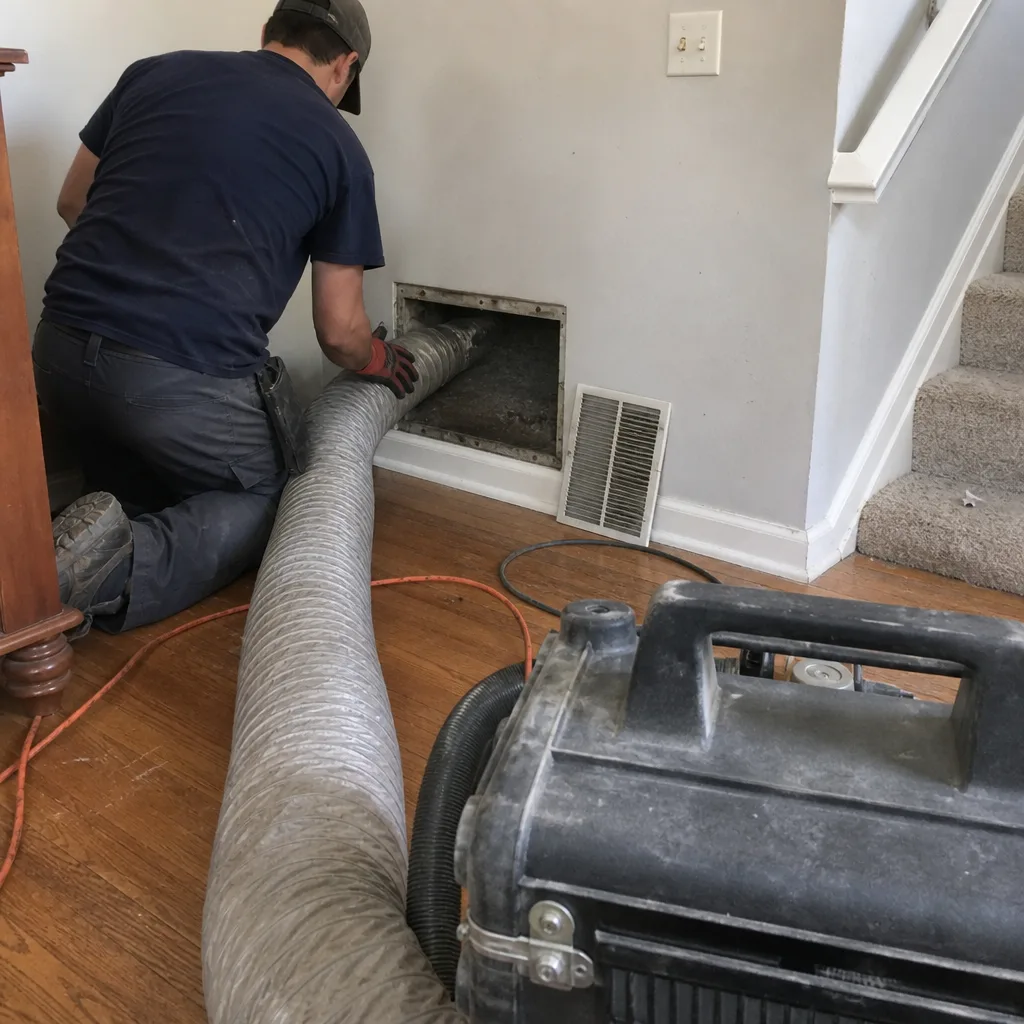 Before
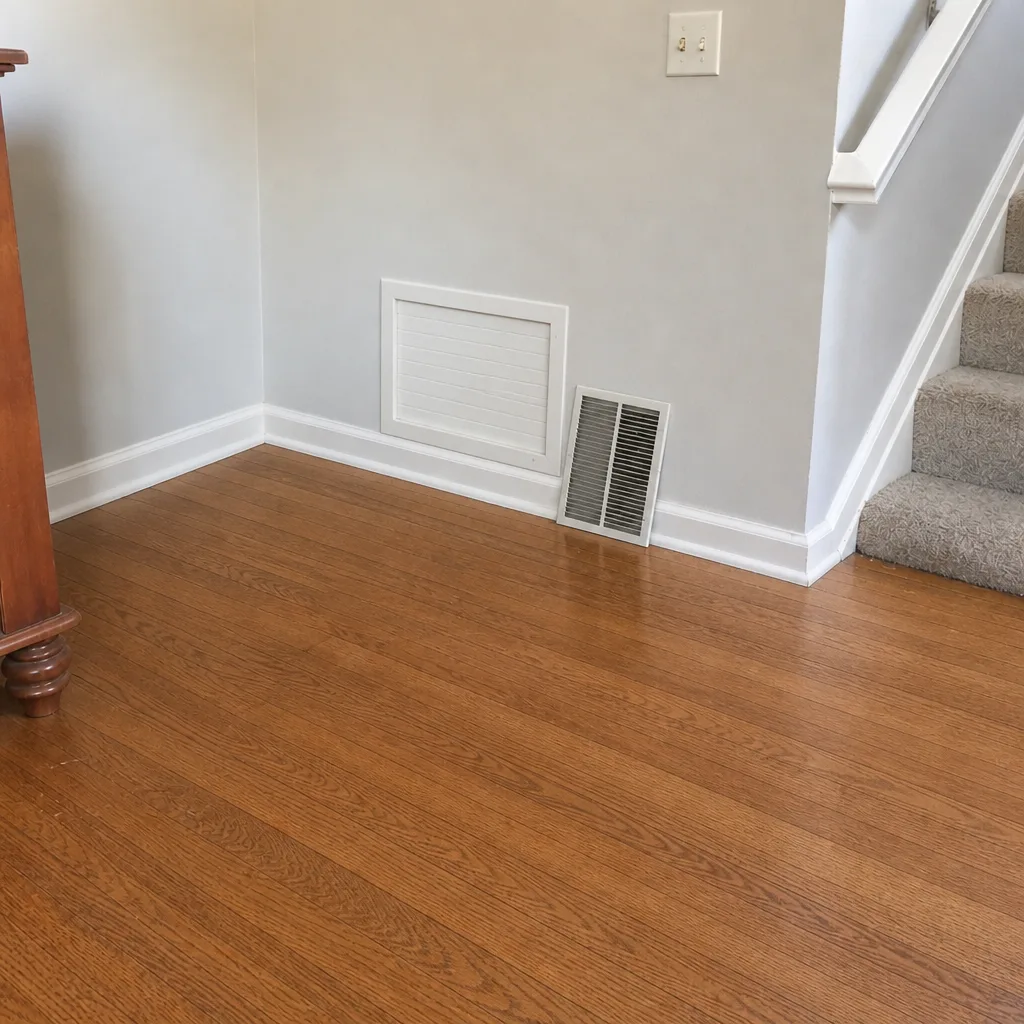 After
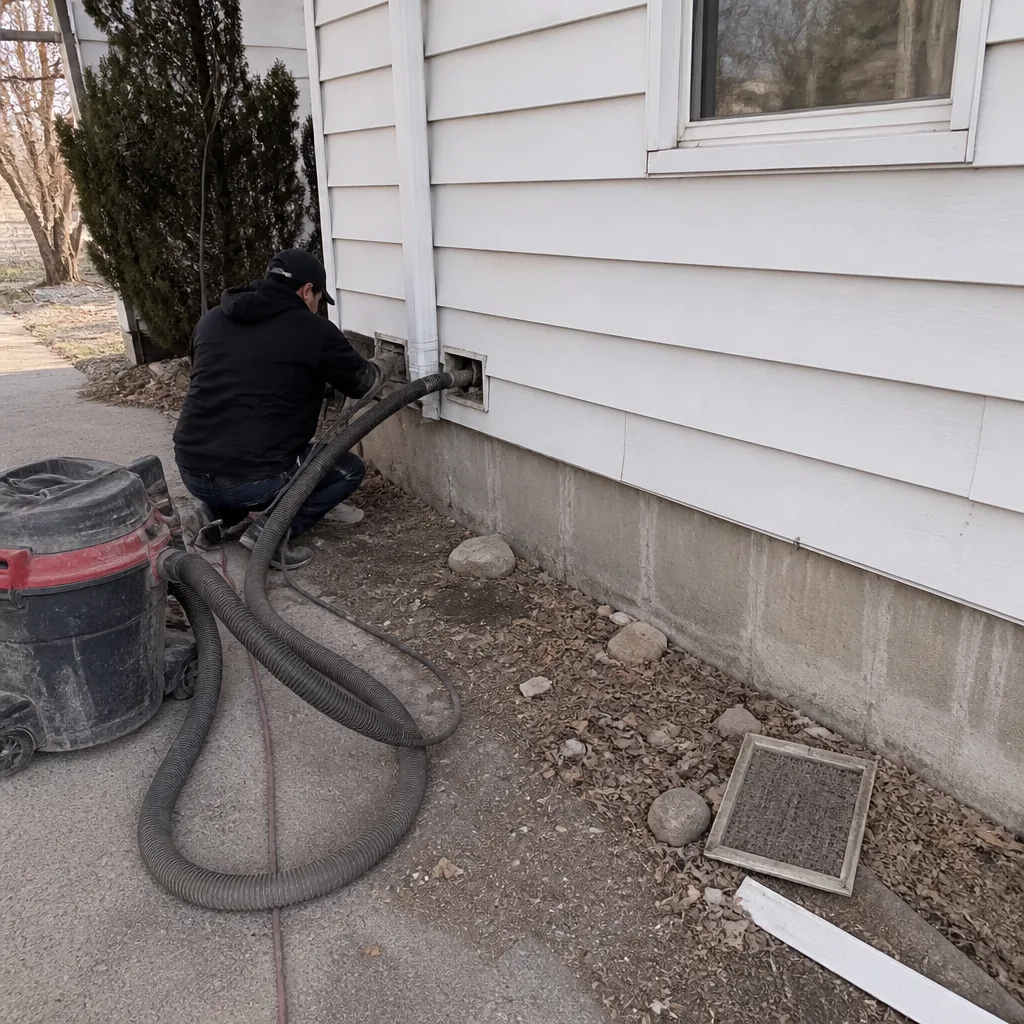 Before
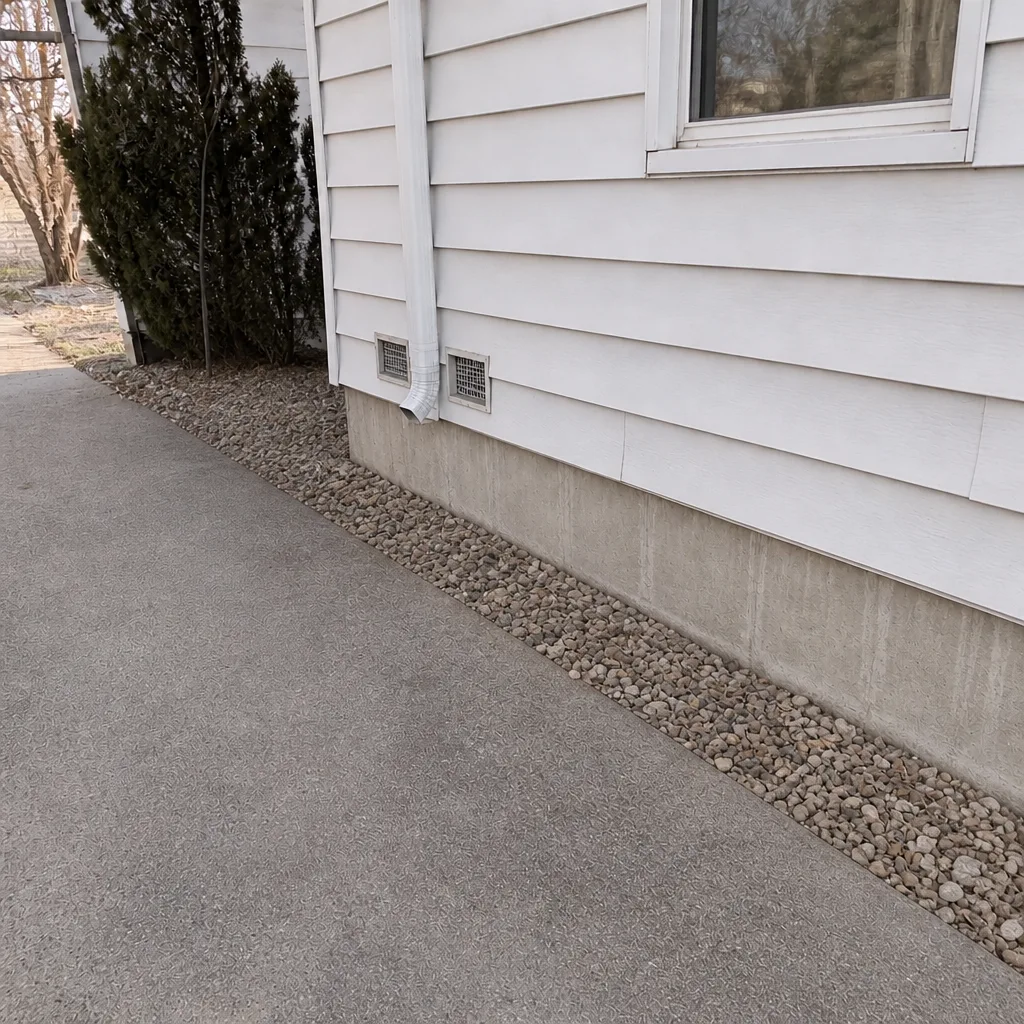 After
 Before
 After