
Last updated November 24, 2026
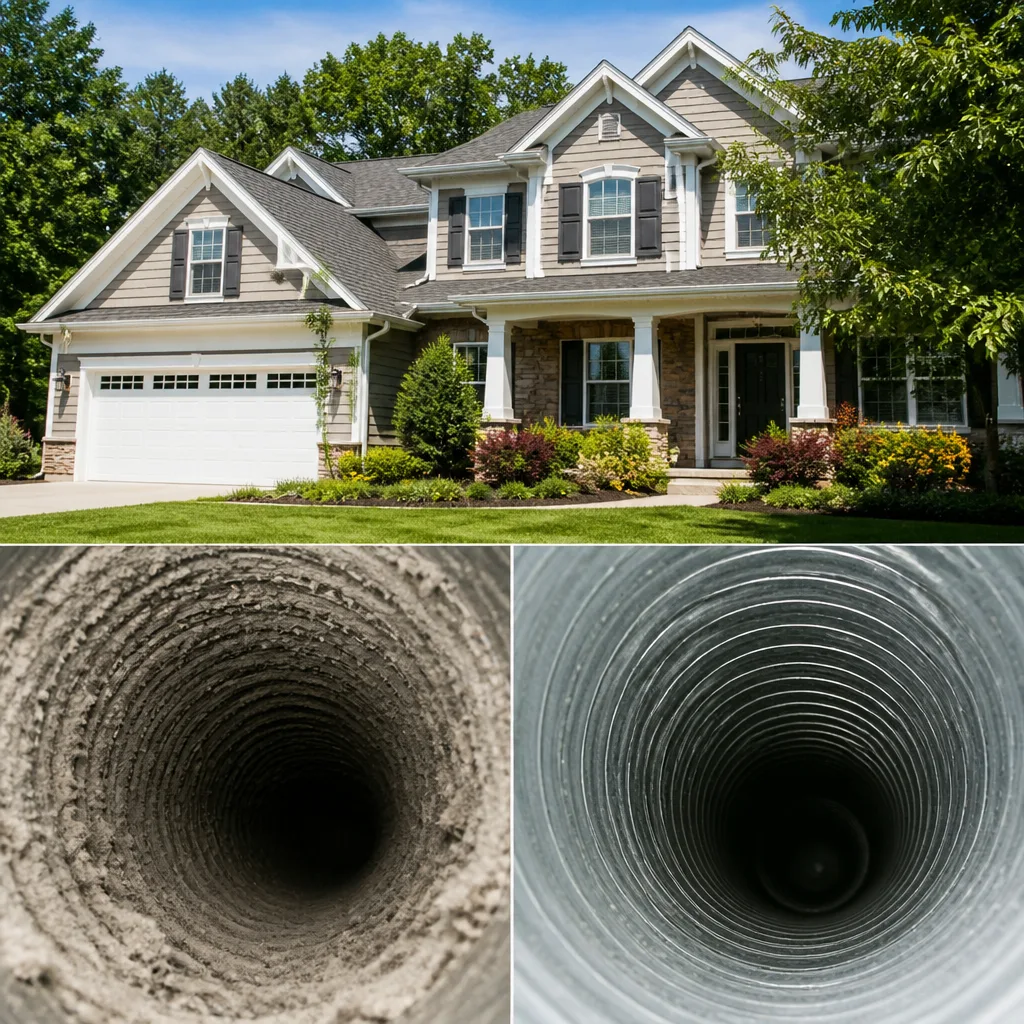 Whole-home duct cleaning
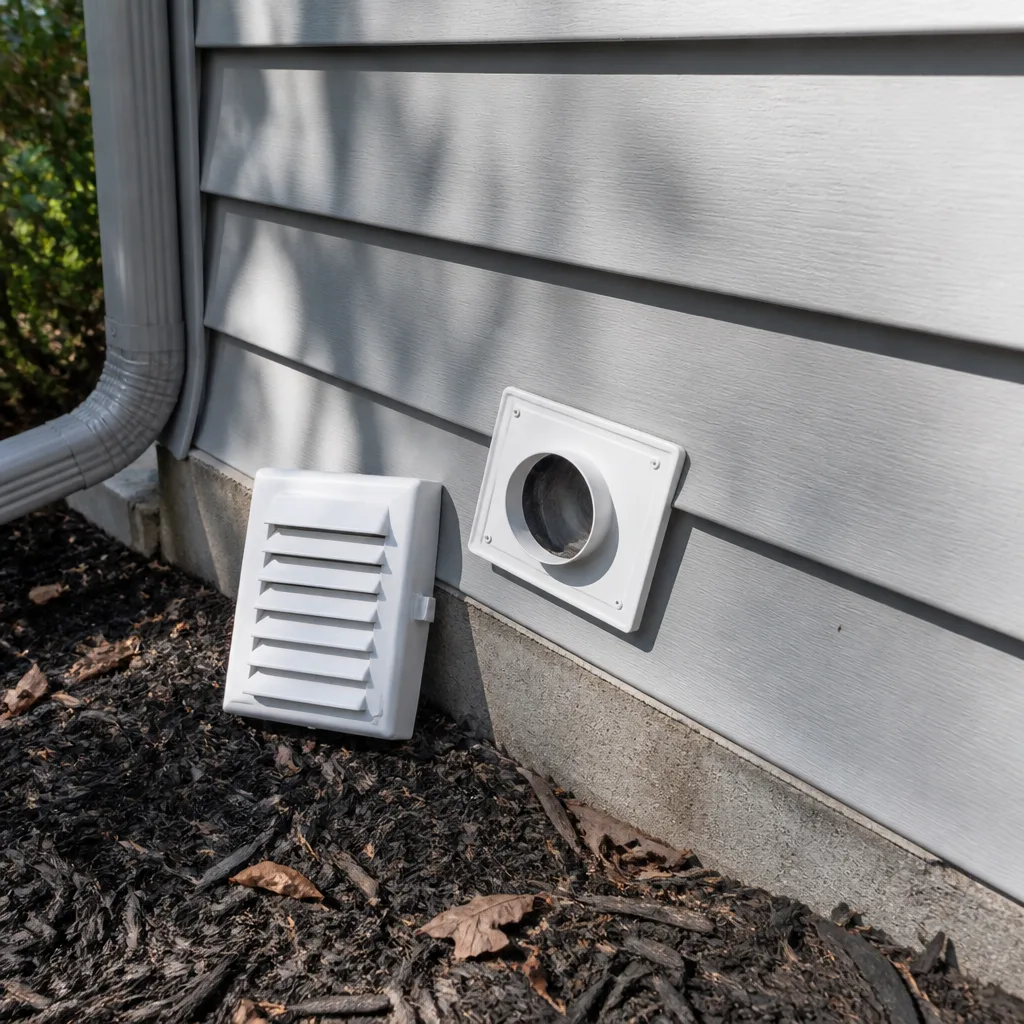 Dryer vent cleaning
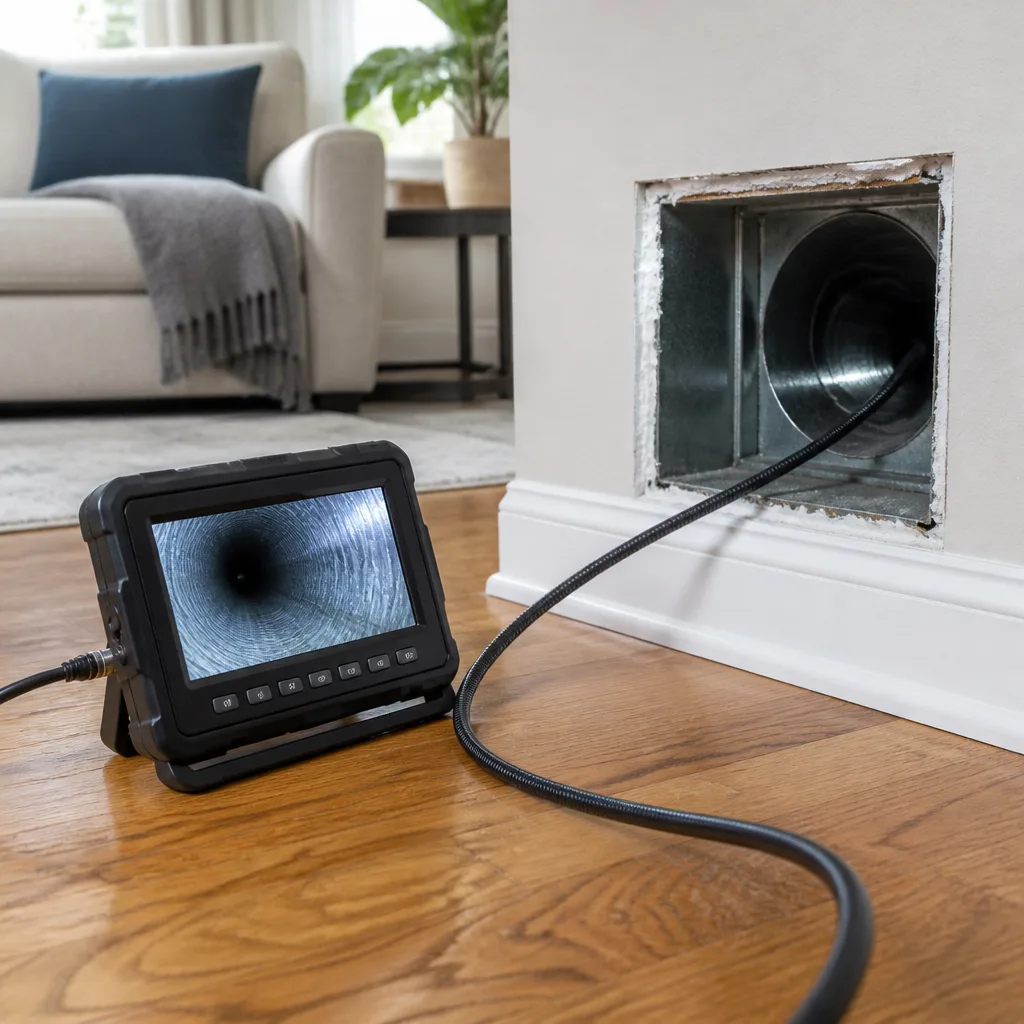 Camera inspection
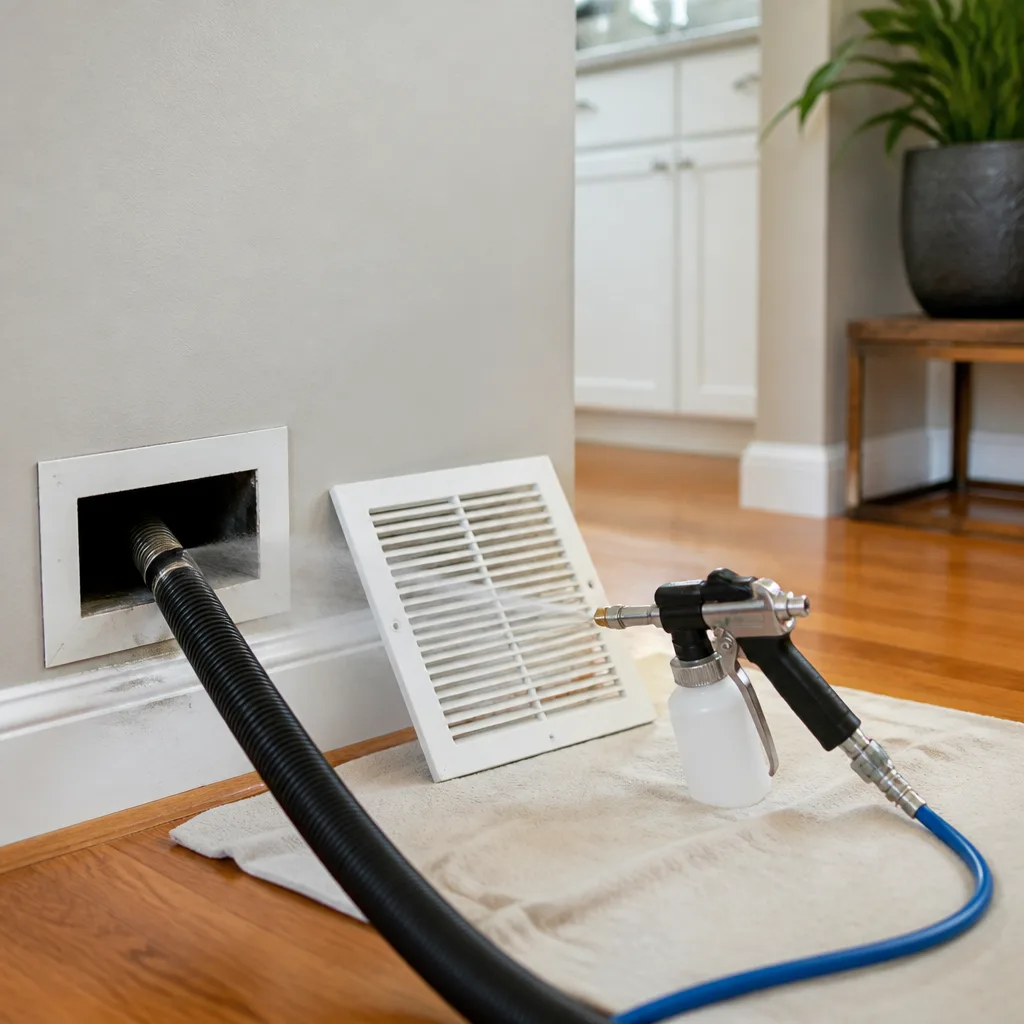 Sanitizing & deodorizing
Whole-system duct and dryer vent check with before-and-after photos - you see exactly what came out of your vents
That "$99 whole-house special" is a bait ad - the real number appears once they are in your hallway, or the "clean" is a shop-vac at the register. We photograph the inside of your ducts before and after instead.
Air Duct Cleaning Permits, Codes & Inspections in Salt Lake City, UT: What You Need to Know
No permit is required to clean your ducts. But that simple fact is exactly where homeowners in Salt Lake City get into trouble. The moment a technician recommends sealing a disconnected trunk line, replacing a run of flex duct, or cutting in a new register, the work often crosses from maintenance into regulated mechanical modification, and in most cases the contractor pulls no permit. You won’t notice at the time. You’ll notice at closing, when the buyer’s inspector writes it up. This guide draws the line clearly: what needs a permit, what doesn’t, which code sections govern the work, and what paperwork to keep.
Quick Answer
Cleaning ductwork by itself does not require a permit in Salt Lake City, and no Utah code section regulates duct cleaning as a standalone service. What can require a mechanical permit is duct modification: replacing sections of hard or flex duct, sealing a disconnected trunk or branch, altering the layout of the system, or installing new ductwork or registers. For addresses inside Salt Lake City limits, permits are issued by the Salt Lake City Building Services division. For unincorporated Salt Lake County, permits come from Salt Lake County Building Services. The two jurisdictions follow the same base model code but their submission and inspection processes differ, so confirm which office covers your address before you sign anything.
Styles & brands we work with
- Whole-home duct cleaning
- Dryer vent cleaning
- Camera inspection
- Sanitizing & deodorizing
Table of Contents
- Does air duct cleaning require a permit in Salt Lake City?
- Salt Lake City versus unincorporated Salt Lake County: which jurisdiction governs your HVAC work?
- The IRC and Utah State Energy Code sections that actually apply to ductwork
- Is aerosol duct sealing (Aeroseal) a permitted activity in Utah?
- What a licensed HVAC contractor’s inspection covers that self-certification does not
- The paperwork to request after any duct modification
- How unpermitted HVAC work surfaces at resale and in insurance claims
- Common mistakes to avoid
Does air duct cleaning require a permit in Salt Lake City?
No. Routine duct cleaning in Salt Lake City is maintenance, not construction, and it falls outside the mechanical permitting process. Nothing in the adopted code requires a permit for brushing, contact-vacuuming, or negative-pressure cleaning of a duct system that stays in its original configuration. A technician can clean, sanitize, and document a full residential system without a single permit application.
The permit line sits at the point where the ducts themselves change. Utah adopts the International Residential Code for one- and two-family dwellings, and the mechanical chapter of that code governs the installation and alteration of duct systems. Replace a section of duct, reconnect a trunk that has come loose, add a branch to a room that never had supply air, and you’ve moved into work that needs a permit in most circumstances.
Here’s how to think about the split practically:
- No permit typically needed: cleaning of existing ducts, sanitation treatments, minor resealing at joints with approved mastic or tape, filter and register grille replacement, and air-quality hardware upgrades such as a new media cabinet or humidifier tied into existing ductwork (verify with your jurisdiction, since some appliances carry their own permitting).
- Permit typically required: replacing or extending rigid or flex duct runs, reconnecting a completely disconnected trunk line, relocating supply or return registers, changing the layout of the system, or installing new ductwork as part of a remodel.
- Judgment call that should always be confirmed: major duct sealing that materially changes the system’s leakage characteristics, and any work where the duct modification is part of a larger permitted project.
We’ve worked alongside enough Salt Lake City homeowners to know the confusion cuts both ways. Some assume everything requires a permit and skip legitimate cleaning they need. Others assume nothing does, and accept a trunk reconnection from a cleaning crew with no license or permit. Neither is right, and the second is far more expensive to correct. When a cleaning reveals a problem needing modification, that repair belongs with a licensed HVAC contractor and a mechanical permit. Our air duct cleaning work stays on the maintenance side of the line unless a repair genuinely warrants escalation.
Salt Lake City versus unincorporated Salt Lake County: which jurisdiction governs your HVAC work?
Salt Lake City and unincorporated Salt Lake County are separate permitting jurisdictions, and most online guides conflate them. If you own a home on the east bench, in the Avenues, in Rose Park, or anywhere else inside city limits, your HVAC contractor takes the permit to Salt Lake City Building Services. If you live in an unincorporated pocket of the county, the permit goes to Salt Lake County Building Services. Same model code family, different offices, different inspection scheduling, and different submittal requirements.
Why it matters for a homeowner:
- The permit history stays in the correct jurisdiction’s records. That’s the record your future buyer’s title company and inspector will search.
- Inspection scheduling differs. A contractor who works only one side of the boundary may not know the other side’s process, and may skip the permit rather than navigate an unfamiliar office.
- Enforcement and closing-the-permit rules differ. An open or missing permit can delay a sale regardless of which office issued it, but resolving it is a phone call in one jurisdiction and a longer set of steps in the other.
Sandy, West Valley City, Murray, Holladay, and South Salt Lake all run their own permitting. If you’re not certain, look up your parcel on the county assessor’s map, or simply ask the contractor which jurisdiction they’re filing with. A licensed HVAC contractor will know immediately and will have the permit number to give you.
A large share of the pre-1980 housing stock in Salt Lake City was built before modern duct leakage standards, and that’s the housing most likely to have disconnected trunk lines and under-insulated attic ductwork. When our technicians clean ductwork in an older home and find a trunk that has pulled apart, we document it with photos and refer the repair to a licensed HVAC contractor. We don’t reconnect it ourselves and we don’t pretend it’s fine. Our Salt Lake City Air Duct Cleaning Co work is cleaning, sanitizing, and reporting, and honest reporting sometimes means telling a homeowner the next call is to a licensed HVAC contractor and a permit office.
The IRC and Utah State Energy Code sections that actually apply to ductwork
Two bodies of code govern replacement ductwork in Utah: the mechanical chapter of the International Residential Code, which covers installation, clearances, and duct construction, and the Utah State Energy Code, which covers duct insulation and sealing. Utah adopts the International Residential Code as its base residential code and the Utah State Energy Code as its energy standard. The exact edition adopted can change with each code cycle, so confirm the current edition in force with Salt Lake City Building Services before you rely on a specific section number. What doesn’t change much is the substance.
What the codes address in plain terms:
- Duct sealing. The mechanical code requires duct systems to be substantially airtight, with joints, seams, and connections sealed with approved materials. Ordinary duct tape is not an approved long-term sealant in most code language. Mastic or code-listed sealing tape is.
- Duct insulation. The energy code sets insulation requirements for ducts in unconditioned spaces, including attics and crawlspaces. If you replace ductwork in an unconditioned attic, the new duct must meet the required insulation level, not match what was there before.
- Duct construction and support. The mechanical code specifies minimum gauges for rigid duct, acceptable flexible duct, support intervals, and restrictions on how flex duct can be routed and bent. This matters because the cheapest replacement is often the one that violates these rules.
- Clearances. Ductwork must maintain required clearance from combustible materials and from heat-producing appliances. Those clearances are a fire-safety issue, and they’re part of what an inspector checks.
If a repair involves replacing a section of duct, ask the contractor what sealing material they’re using, what insulation value they’re installing, and whether the work requires a permit. If the answer is “we don’t bother with permits for small repairs,” that’s not a small flag. It’s a real one. Most residential duct repairs on a single system don’t cost much in permit fees, so the only reason to skip the permit is time and paperwork, and the cost lands on the homeowner at resale.
Is aerosol duct sealing (Aeroseal) a permitted activity in Utah?
Aerosol duct sealing, best known by the brand name Aeroseal, is classified as a mechanical modification under most interpretations of the adopted mechanical code, which means in many cases it does require a permit for residential application. The process works by pressurizing the duct system and injecting a sealing mist that deposits at leaks. It changes the physical leakage characteristics of the system, and that’s the standard for modification. Whether your jurisdiction treats it as requiring a permit should be confirmed with Salt Lake City Building Services or Salt Lake County Building Services before the work is scheduled. Industry practice varies by contractor, and not all report the same answer.
Why this matters even for a homeowner who never asks for aerosol sealing to be done:
- If a salesperson pitches aerosol sealing as a “maintenance” service requiring no permit, ask them to confirm which code section supports that reading and to put it in writing. A reputable contractor won’t hesitate.
- Aerosol sealing is often paired with verification testing before and after the job. Request the before-and-after leakage test report. That’s the objective proof that the sealing did what it claimed.
- If the aerosol sealing is done without a permit and later triggers a home inspection at resale, the burden of proof is on you to show the work was done to code. A leakage test report and permit record settle it quickly. A handshake does not.
It’s worth being clear about what aerosol sealing does not do. It seals leaks in the ducts you already have. It doesn’t replace torn or disconnected ductwork, and it doesn’t fix a system that was the wrong size to begin with. In our experience cleaning duct systems in Salt Lake City, when the ducts are physically damaged, the honest answer is repair or replacement, not a sealing treatment sprayed over the damage.
What a licensed HVAC contractor’s inspection covers that self-certification does not
A cleaning company can self-certify that a duct system is clean. That’s a legitimate claim, and we make it with before-and-after photos of the ducts we worked on. What a cleaning company cannot do is certify that the system’s mechanical repair meets code or that a newly modified duct is properly sized, supported, insulated, and sealed for the building. That certification belongs to a licensed HVAC contractor, and often it’s tied to a permit and an inspection.
The distinction matters most when new-construction warranties are on the line. If you bought a home built in the last decade in Salt Lake City and something appears wrong with the ductwork, an unpermitted modification made after the fact can void or complicate parts of your builder’s HVAC warranty. A licensed contractor’s inspection provides a code-based standard that a builder, warranty administrator, or insurer will accept as evidence. Self-certification from a cleaning crew won’t carry that weight.
What a licensed HVAC contractor’s inspection should cover:
- Static pressure and airflow measurement to confirm the system is delivering design airflow, not just that air is coming out of registers.
- Duct leakage assessment where the code or a permit requires it, done with calibrated equipment, not a smoke test alone.
- Structural review of duct support and connections, including whether flex duct has been routed and supported within code limits.
- Clearances and combustion safety review where ductwork passes near heat-producing equipment.
- Permit sign-off, where the work required a permit and the jurisdiction requires a final inspection.
We’re asked regularly whether a cleaning company can inspect duct repair after the fact. The clear answer is no. We can document what we saw during cleaning and refer you to a licensed HVAC contractor for the repair and any permit. That’s the right division of responsibility, and it’s the one that protects you. Our HVAC cleaning work involves cleaning the air handler and coil, not certifying mechanical alterations to your duct system.
The paperwork to request after any duct modification
Any time a duct system has been modified in Salt Lake City, ask for the documentation and keep it with your closing papers. The right set of documents is short and easy to assemble if the contractor is organized. If they can’t or won’t provide it, that’s information too, and it’s worth knowing now rather than at resale.
Request these documents:
- The approved permit number and the name of the jurisdiction that issued it. Salt Lake City and Salt Lake County each have different numbers, so the permit should state which office issued it.
- The final inspection card showing the work passed the required inspection.
- A written scope of the modification, listing the specific ducts replaced or altered, the sealing material used, and the insulation value of any replacement duct.
- The contractor’s license number and current licensing status. Utah licenses mechanical contractors through the Division of Professional Licensing, and you can verify the license directly on the DOPL website.
- Before-and-after photos of the ducts themselves, not just the exterior of the air handler. This is the single most valuable document in a resale conversation because it shows the work was actually done, not just stamped.
- A leakage test report if aerosol sealing or any code-triggered leakage measurement was part of the job.
The photographs matter more than any piece of paper, because a photo of your duct interior with visible damage next to a photo of the repaired run is hard to dispute. Our technicians use Rotobrush and Nikro contact-vacuum and negative-pressure equipment built for duct interiors, plus Abatement Technologies filtration gear on site to capture dislodged particulates, and we capture images of the inside of the system as we go. That documentation protects you whether you sell next year or in ten years.
How unpermitted HVAC work surfaces at resale and in insurance claims
Unpermitted HVAC work stays invisible until the home inspector inspects, and then it’s rarely invisible at all. A mechanical permit record is public information, and a home inspector checking your ductwork against the permit record can identify work that was done without one. If the modification is visible, the missing permit is a line item on the inspection report. If it isn’t visible, a careful inspector may still pull the permit history. Either way, the closing conversation gets longer and the buyer has leverage.
In an insurance claim, the question changes from “was it permitted” to “was it done to code,” and uninspected work is the work most likely to be code-deficient. Under today’s residential policies, insurers routinely ask about prior work on systems that have leaked or been damaged, and a missing permit record makes a claim harder to settle cleanly. This isn’t a scare tactic. It’s how the system works.
In Salt Lake City specifically, ductwork replaced in attics is the most common category of unpermitted HVAC work we see. Older homes across the Avenues, Sugar House, and the east bench often had attic duct rerouted in earlier decades with no permit, no insulation meeting current energy code, and seals failing long ago. If you’re buying in one of those neighborhoods, ask the seller’s agent for the permit history before you make the offer, not after.
Our dryer vent cleaning work doesn’t require a permit, but the same documentation principle applies: ask the contractor for photos of the vent run and lint trap interior. If a cleaning crew can’t or won’t provide them, you’ve learned something.
Common Mistakes to Avoid
- Accepting an unpermitted repair from a cleaning crew. When a technician says they can “reconnect that trunk in twenty minutes,” ask whether they’re licensed to do mechanical work and whether the job requires a permit. If not, don’t. The cost of the repair is small. The cost of unpermitted work is not.
- Assuming Salt Lake City and Salt Lake County work the same way. They don’t. Different building departments, different submittal requirements, different inspection scheduling. If you’re on the city line, confirm which office takes the permit before the work starts.
- Trusting “small repairs don’t need permits.” That’s a self-serving reading of the code. The rule turns on what the work is, not whether it takes an hour. A permit usually costs far less than a resale delay.
- Skipping the photos. A permit and an inspection show the work was done to code. Photos show the work was done at all. Request both.
- Confusing the cleaning company’s self-certification with an HVAC contractor’s inspection. The cleaning company certifies the ducts are clean. The licensed contractor certifies the mechanical system meets code. Different documents, different purposes.
- Ignoring a home that was duct-modified pre-2010. Old attic duct work done in Salt Lake City homes in prior decades often doesn’t meet the current Utah State Energy Code and often has no permit on record. If you’re selling, get it brought up to standard before the inspection, not after.
- Accepting a verbal “it’s all fine” at the end of the job. Ask for the permit number, the final inspection card, and before-and-after duct photos, and keep them together. If the company can’t hand them over, the answer to whether the work was done right is “not documented.”
See the difference
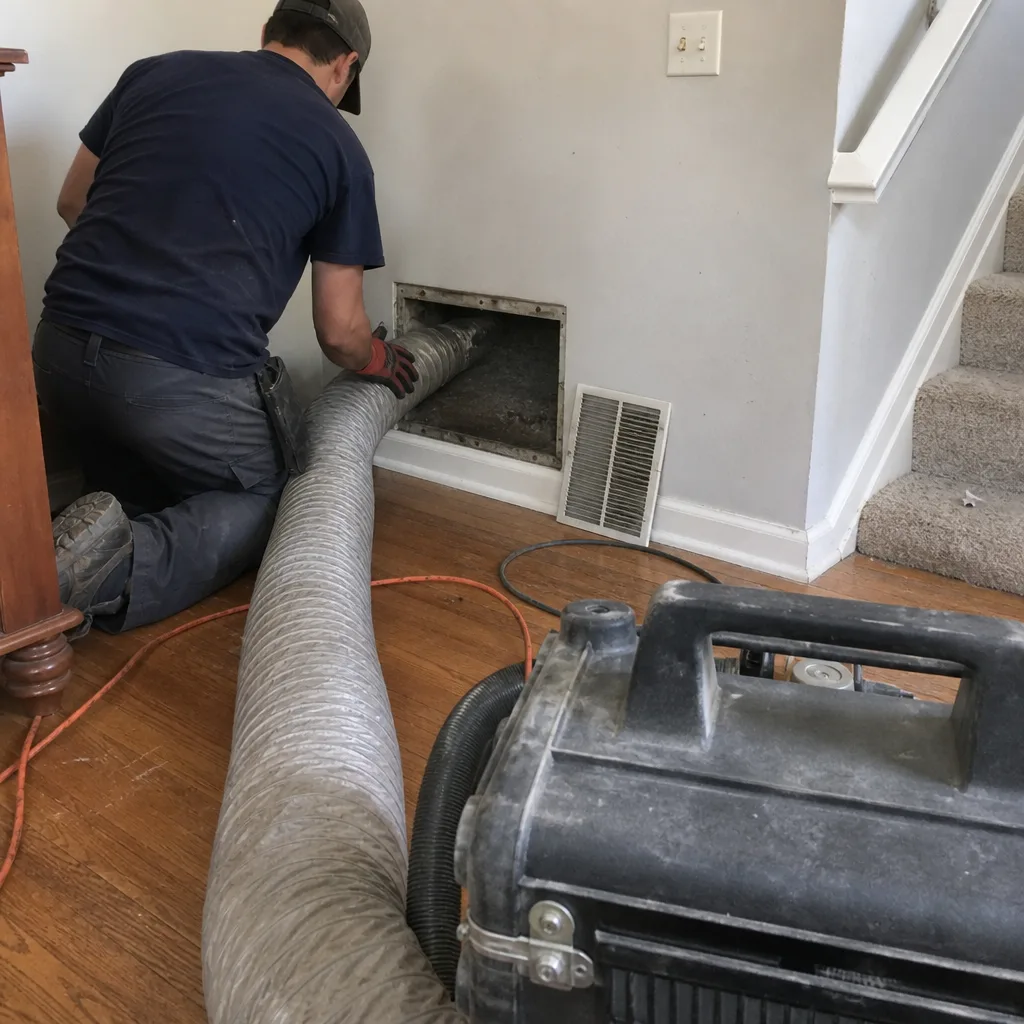 Before
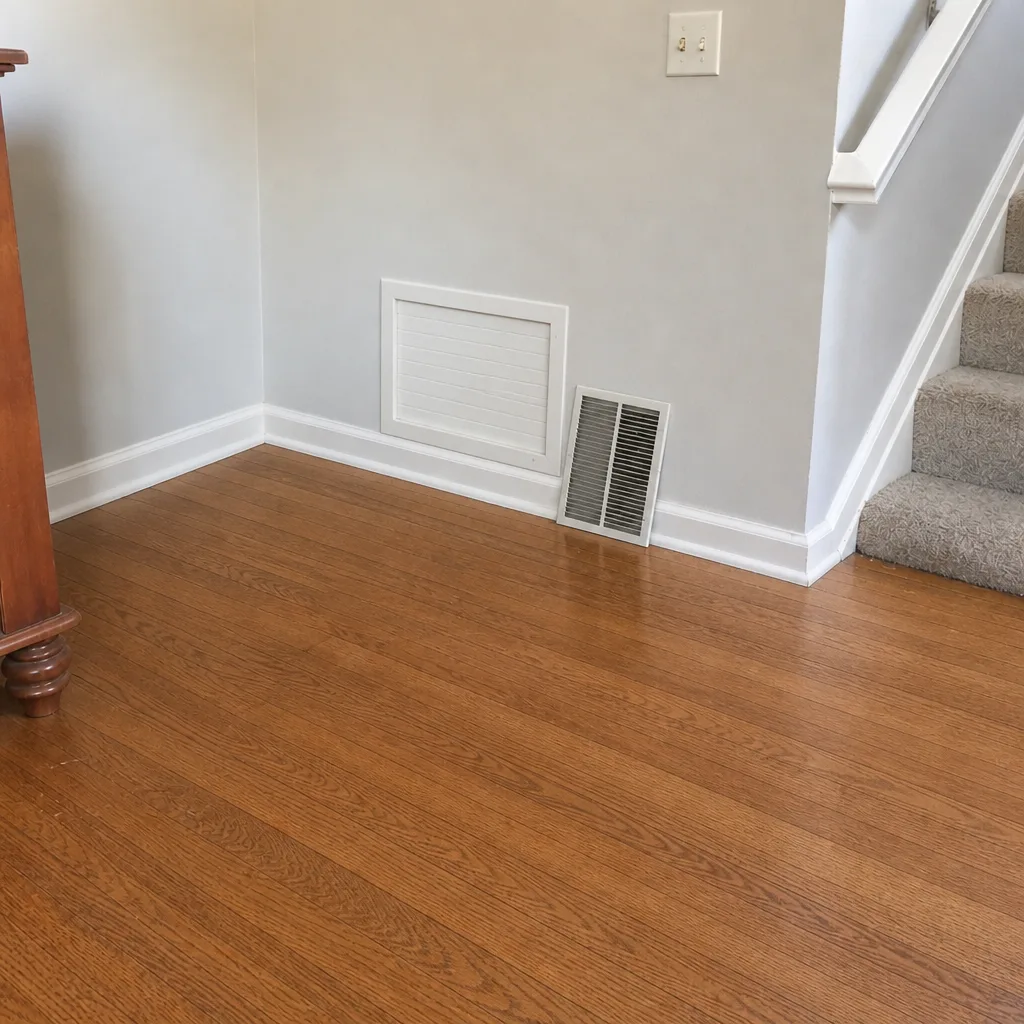 After
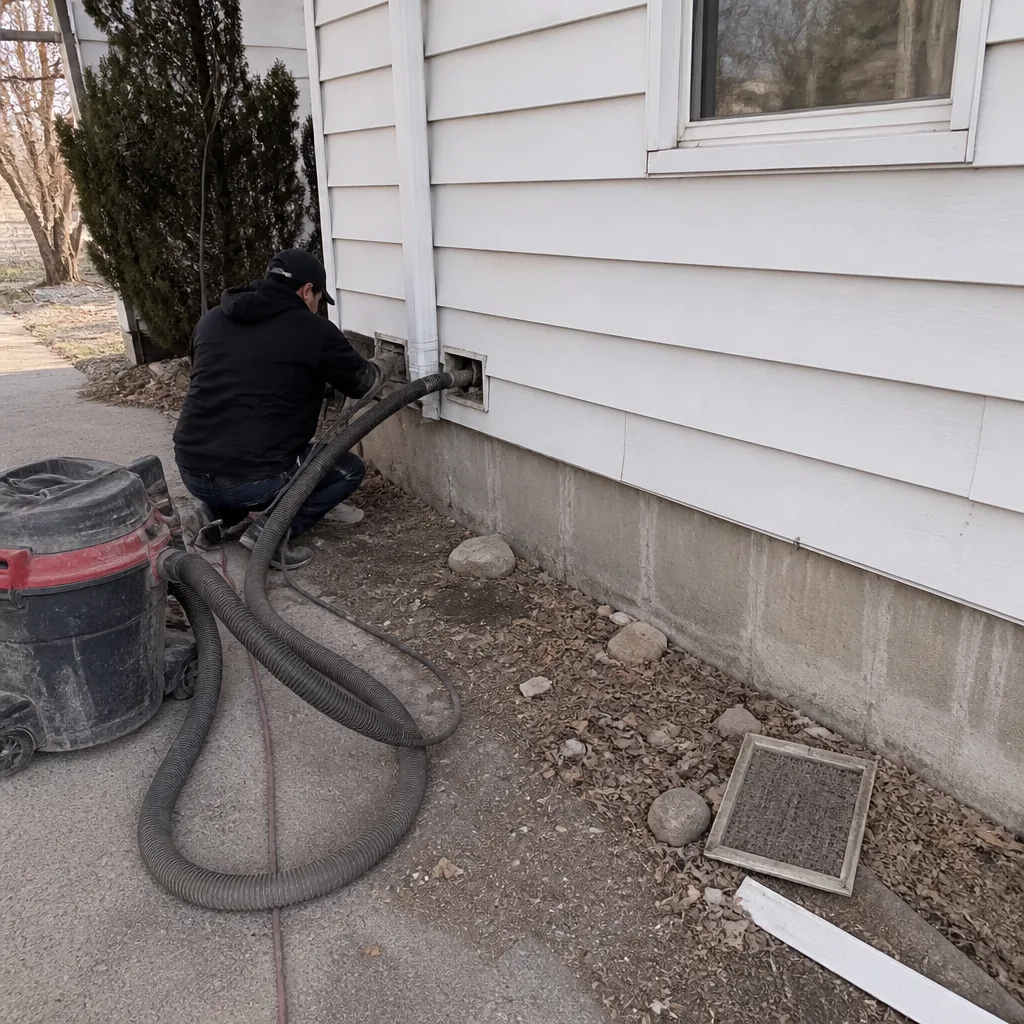 Before
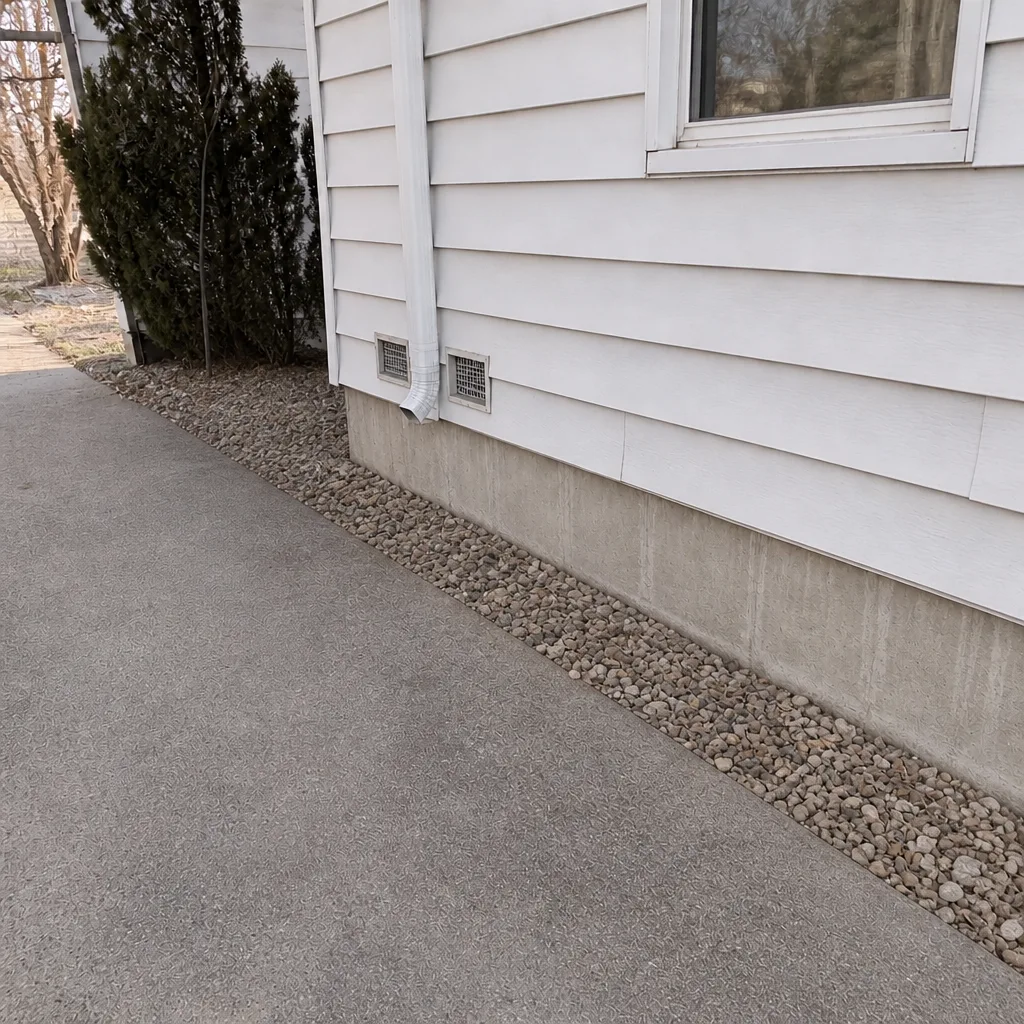 After
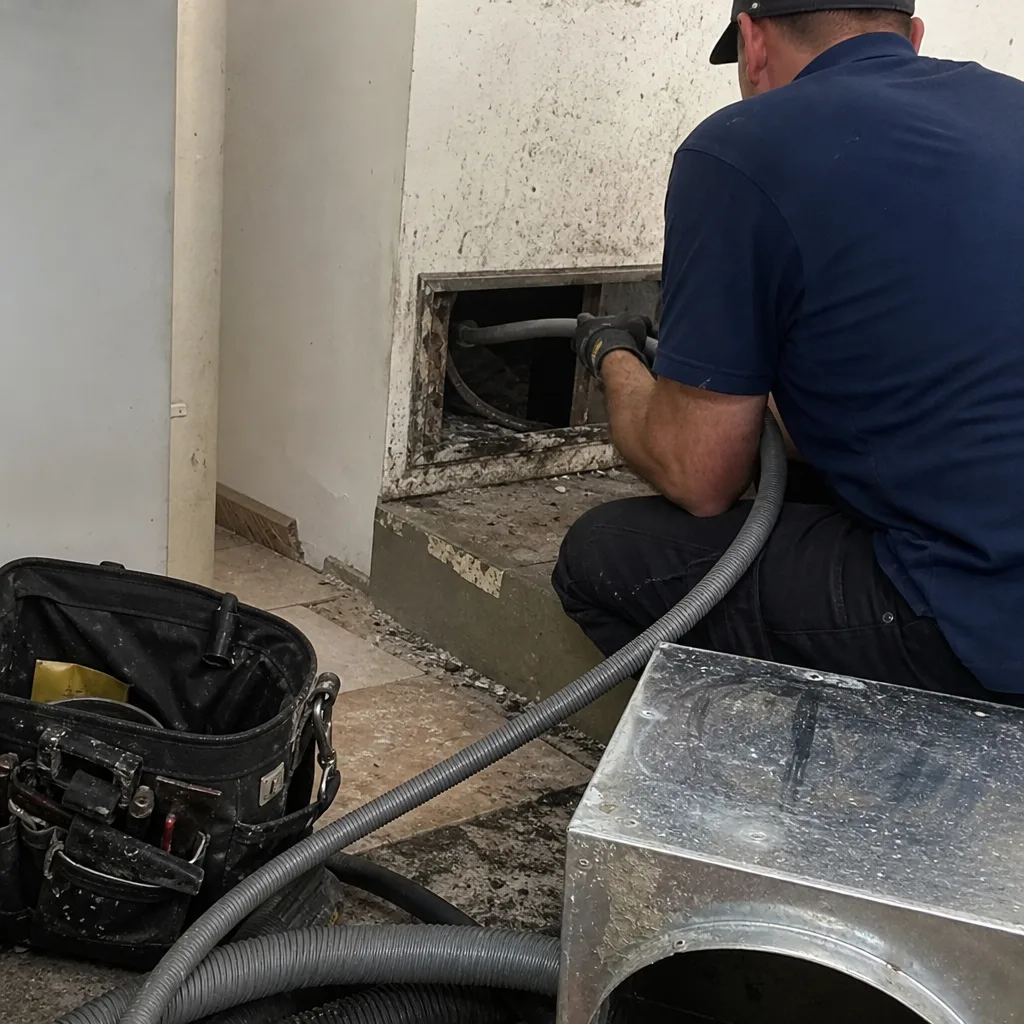 Before
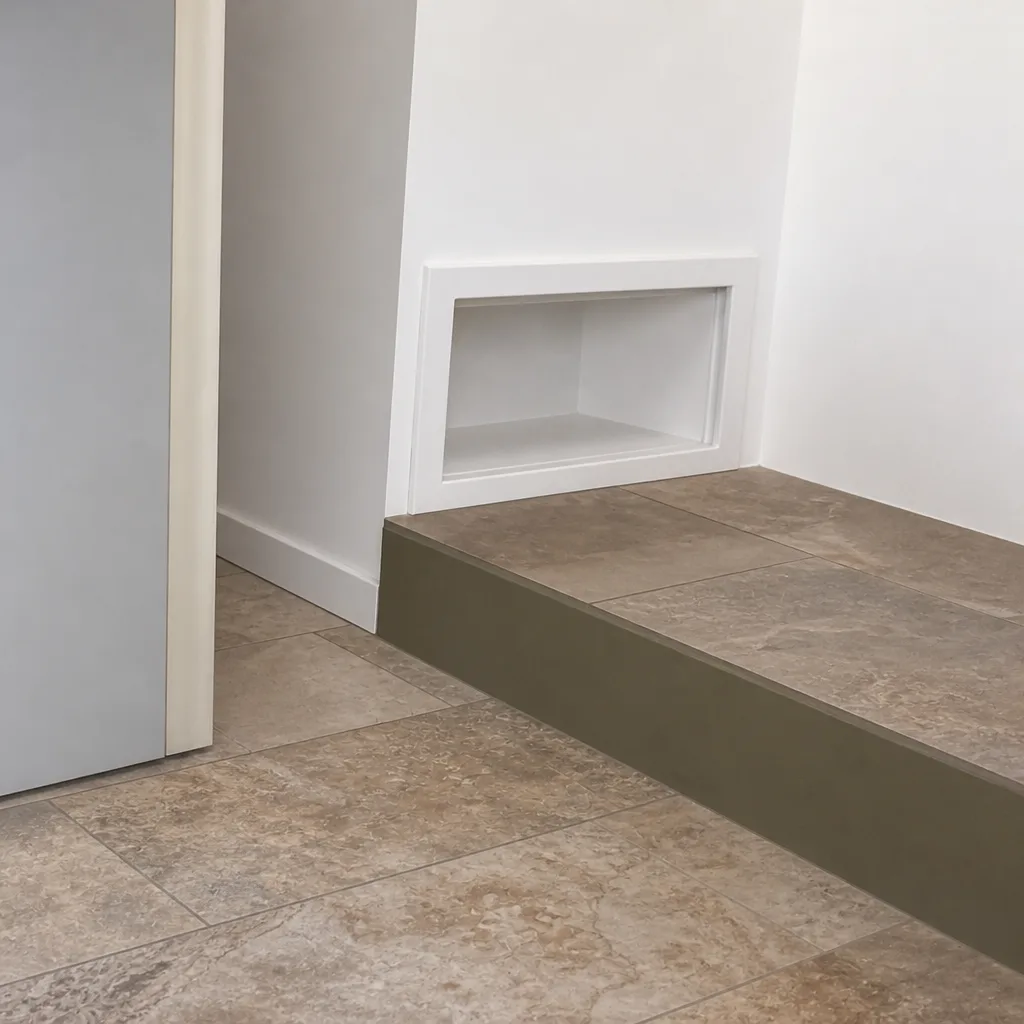 After
When to Call a Professional
Call a licensed HVAC contractor and confirm the permit path when any of these apply: a trunk line is disconnected or has separated at a joint, a section of duct is crushed or torn, the ducts need rerouting to serve a new room, or aerosol sealing is being proposed. Get the permit filed early, before the repair crew shows up, because once the modification has been made the inspection is harder to request.
Call a duct cleaning specialist when you’re seeing visible debris, musty odors, allergy symptoms that get worse indoors, or reduced airflow with no obvious damage to the ducts. Cleaning doesn’t require a permit, and the documentation from the job, including before-and-after photos, is what protects you at resale or in an insurance conversation.
Salt Lake City Air Duct Cleaning Co offers free estimates in Salt Lake City. Call (855) 658-4198. We answer 24/7. Fast dispatch from 7am to 7pm, Sunday through Friday. Our technicians have up to 14 years of experience, and we work with professional Rotobrush, Nikro, and Abatement Technologies equipment on every job, with Aprilaire and Honeywell air-quality components within our technicians’ scope of familiarity.
Frequently Asked Questions
No. Air duct cleaning in Salt Lake City does not require a mechanical permit. Cleaning is maintenance, and Utah code doesn’t regulate it as construction. What can require a permit is duct modification, such as replacing a duct section, reconnecting a disconnected trunk line, or installing new ductwork or registers, so if a cleaning uncovers damage, ask whether the repair needs a permit before it’s made.
Whichever jurisdiction your address falls under. Inside Salt Lake City limits, permits go to Salt Lake City Building Services. In unincorporated Salt Lake County, permits go to Salt Lake County Building Services. If you’re not sure which applies, look up your parcel on the county assessor’s map or ask the contractor to confirm the permit filing jurisdiction before they start work.
In most interpretations, yes. Aerosol duct sealing changes the physical leakage characteristics of a duct system, and the adopted mechanical code treats that as modification. Confirm the requirement with your jurisdiction before scheduling the work, and request a before-and-after leakage test report as documentation. If a contractor pitches aerosol sealing as permit-free maintenance, ask for their code basis in writing.
Airflow, static pressure, duct leakage measurement, structural review of duct support and connections, clearances, combustion safety review, and the final inspection sign-off if a permit was required. A cleaning company can document that the ducts were cleaned, and we do, with photos. We can’t certify code compliance of a mechanical repair. Those are different documents, and at resale the buyer’s inspector knows the difference.
Yes. Home inspectors pull permit histories, and unpermitted HVAC work shows up on inspection reports. That puts leverage in the buyer’s hands at closing and can delay or derail the sale. If your ducts have been modified in prior decades with no permit on record, bring the work up to standard with a licensed contractor before you list, not after.
The permit number and issuing jurisdiction, the final inspection card, a written scope of the modification including the sealing material and insulation value used, the contractor’s license number, before-and-after photos of the duct interiors, and any leakage test report. Keep this together with your closing papers. If you’re being sold on a duct modification with no permit being offered, call (855) 658-4198 for a free second opinion before you sign anything. Estimates are free, and we’ll tell you honestly whether a permit is required.
The Bottom Line
Air duct cleaning doesn’t need a permit in Salt Lake City, but the repairs that cleanings often uncover frequently do. The line runs between maintaining the duct system and changing it. Cleaning, sanitizing, and replacing grilles are on the maintenance side. Replacing or extending duct runs, reconnecting disconnected trunks, relocating registers, and aerosol sealing are on the modification side, and in most cases that means a permit through Salt Lake City Building Services or Salt Lake County Building Services, depending on your address. Get the permit, keep the inspection card, capture before-and-after photos, and note who issued the permit. Those four documents protect you at resale, in an insurance claim, and in a warranty conversation. Everything else is extra. Call (855) 658-4198 for a free estimate if you want a documented cleaning to start with. We answer 24/7, with fast dispatch from 7am to 7pm, Sunday through Friday.
Written by the team at Salt Lake City Air Duct Cleaning Co.