
Last updated November 24, 2026
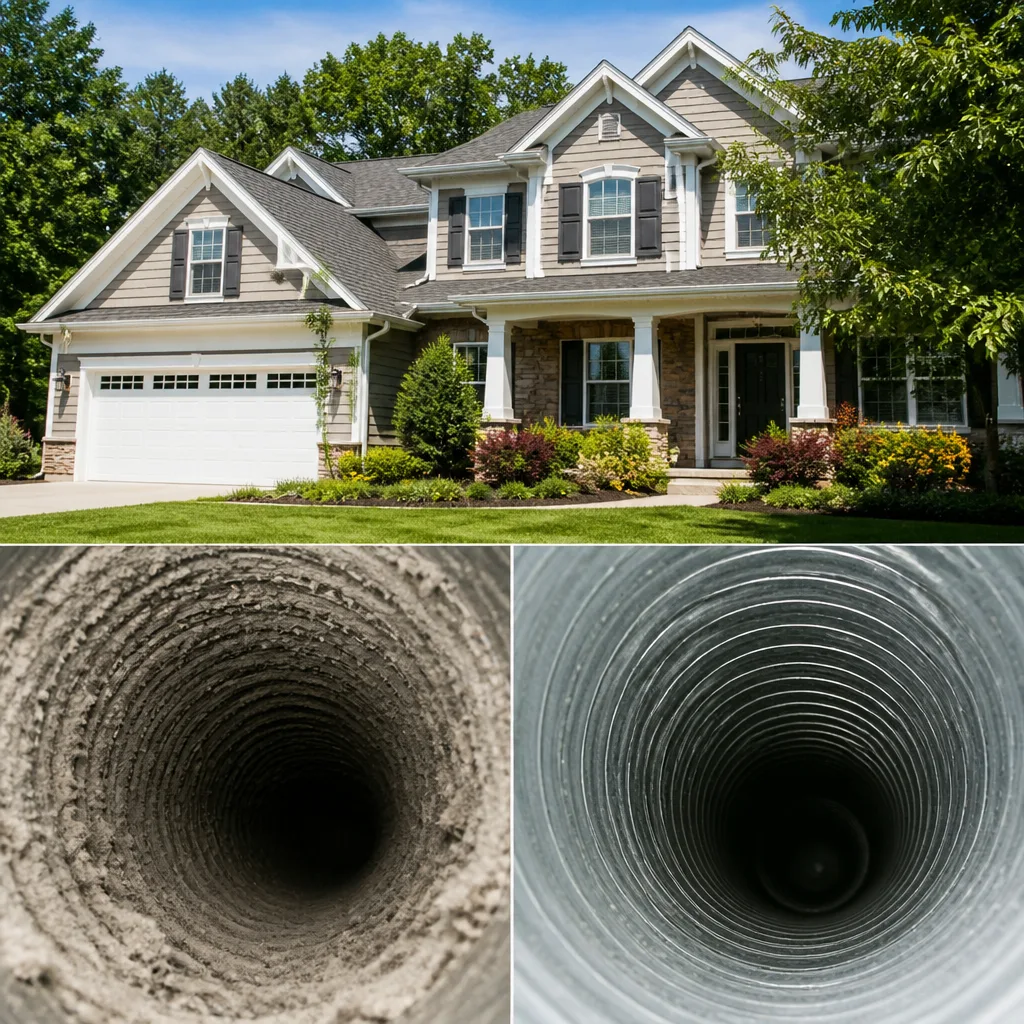 Whole-home duct cleaning
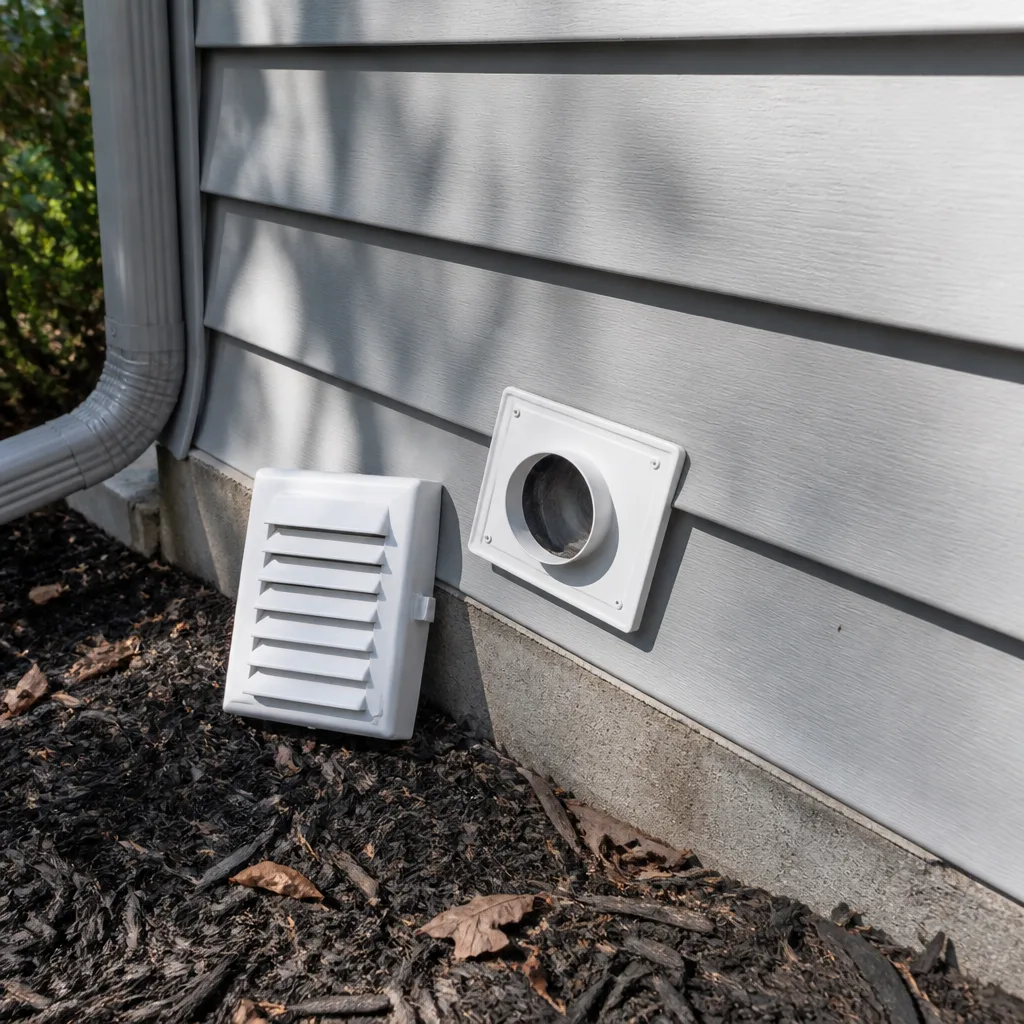 Dryer vent cleaning
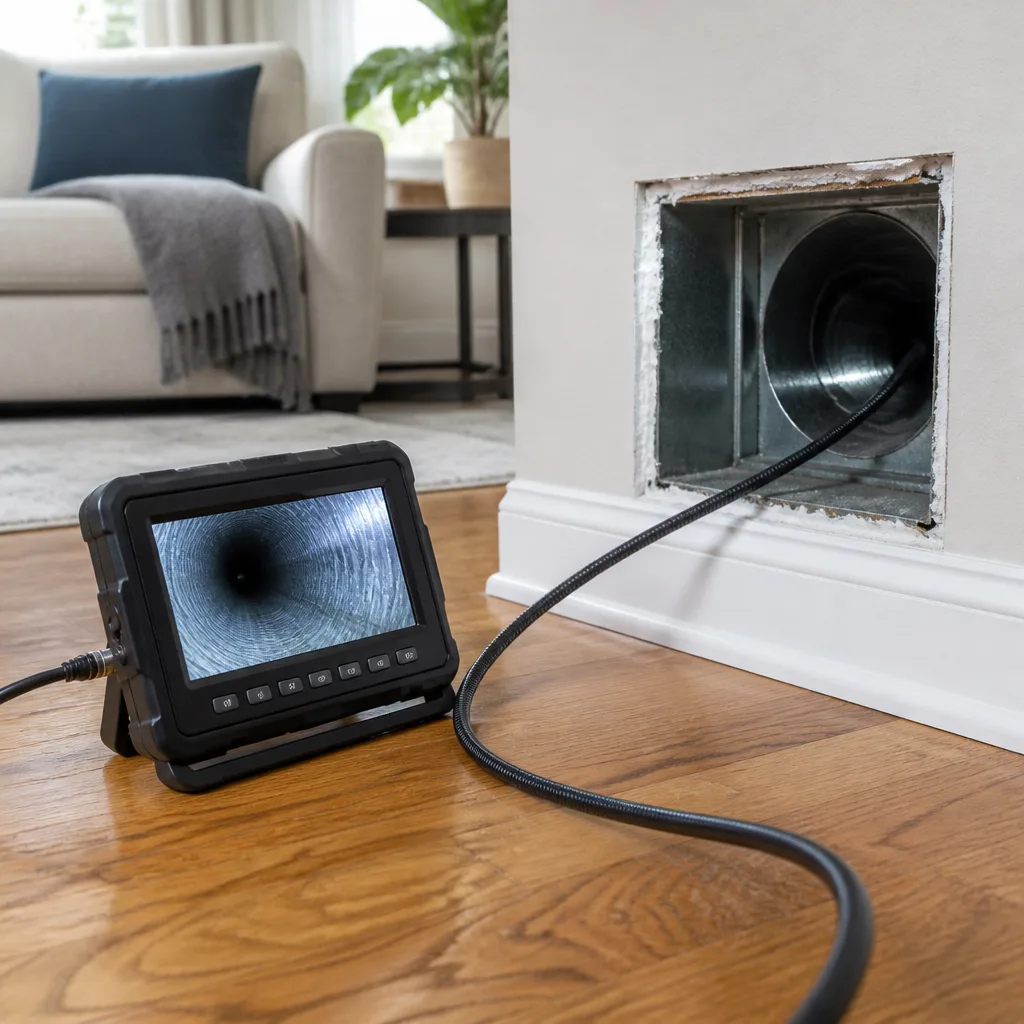 Camera inspection
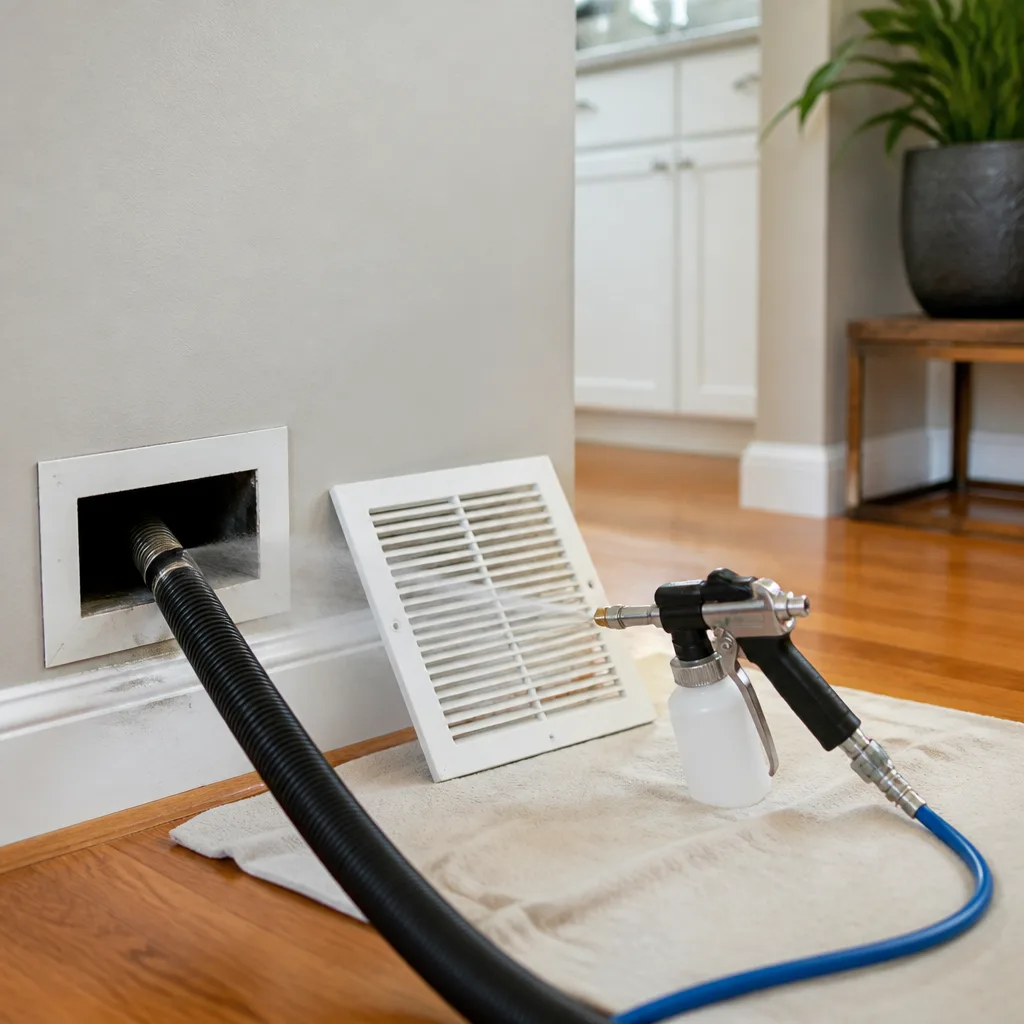 Sanitizing & deodorizing
Whole-system duct and dryer vent check with before-and-after photos - you see exactly what came out of your vents
That "$99 whole-house special" is a bait ad - the real number appears once they are in your hallway, or the "clean" is a shop-vac at the register. We photograph the inside of your ducts before and after instead.
DIY vs Professional Air Duct Cleaning: The Salt Lake City Homeowner’s Decision Guide
Most homeowners assume the gap between a rented vacuum and a professional duct cleaning comes down to effort. It doesn’t. A consumer-grade duct cleaning kit pulls roughly 150 CFM of suction. A truck-mounted negative-pressure system moves 10,000 to 16,000 CFM. That’s not a marginal difference you can close with a longer afternoon; it’s the difference between loosening contamination and actually extracting it from the system. In this guide we’ll walk through the physics behind that gap, the specific DIY tasks that genuinely help, the ones that cause damage, and a four-variable framework for deciding what’s right for your Salt Lake City home.
Quick Answer
DIY air duct cleaning can meaningfully improve surface dust at registers and filter housings, but it cannot extract the settled debris, construction dust, and biological growth that accumulate inside trunk lines and branch runs. Professional negative-pressure cleaning uses 60 to 100 times the airflow of consumer equipment, paired with containment that keeps dislodged particulates out of your living space. For most Salt Lake City homes older than ten years, or any home with pets, smokers, or recent renovation, professional cleaning is the more honest recommendation.
Styles & brands we work with
- Whole-home duct cleaning
- Dryer vent cleaning
- Camera inspection
- Sanitizing & deodorizing
Table of Contents
- The Physics of Negative-Pressure Duct Cleaning
- What DIY Actually Accomplishes: The Legitimate Scope
- Where DIY Becomes Actively Harmful
- The Utah Rental Equipment Reality
- The Four-Variable Decision Framework
- Equipment You Can Look Up
- Common Mistakes to Avoid
- When to Call a Professional
The Physics of Negative-Pressure Duct Cleaning
Duct cleaning works on a simple principle: create a pressure differential that pulls debris toward a collection point while agitating the surfaces that hold it. The CFM rating of your equipment is the ceiling on how much of that differential you can create. Consumer shop-vac rigs with brush attachments generate roughly 150 CFM at the hose. That’s enough to lift loose dust from an accessible register boot. It is not enough to overcome the static pressure losses inside a twenty-foot branch run with two elbows, let alone a trunk line feeding multiple rooms.
Professional systems generate 10,000 to 16,000 CFM through a truck-mounted power unit, connected to the ductwork via a negative-pressure vacuum hose. This creates suction that reaches through the entire system, not just the first few feet. Combined with air whips and rotary agitation tools inside the ducts, the debris is dislodged and pulled toward the vacuum rather than settling back into the low points of the run.
The static pressure side matters just as much. Every elbow, transition, and flex section in your ductwork costs pressure. A consumer unit starts with almost no pressure budget and loses most of it in the first turn. A professional unit has enough headroom to reach the far end of the trunk line regardless of how many fittings it passes through. That’s why duct cleaning with shop equipment tends to redistribute contamination along the path rather than extract it.
Containment is the other half. Professional setups use Abatement Technologies air-filtration units to capture particulates at the source as they’re dislodged, keeping the debris out of the living space. Without that capture, the act of cleaning can temporarily elevate indoor particulate levels. If you’re going to disturb a duct system, you owe it to the occupants to capture what you disturb.
What DIY Actually Accomplishes: The Legitimate Scope
DIY duct maintenance has real value in three specific zones. If you’re going to spend an afternoon on your system, these are the tasks that make a measurable difference without the risk of making things worse.
- Register and vent cover cleaning. Remove each supply and return register, wash it in warm soapy water, dry it, and reinstall. The grime that gathers on the face of a register is a legitimate air-quality factor and it’s fully within reach of a homeowner with a screwdriver.
- Filter housing vacuuming. With the system off, vacuum the interior of the filter housing and the blower compartment surface using a HEPA shop vac. This prevents debris from being pulled into the blower wheel the next time the system runs.
- Dryer vent visual inspection. Detach the flexible connector at the back of the dryer and look inside the duct run with a flashlight. You can also check the exterior termination point. If you see a clear, unobstructed run, you’re fine. If lint is packed or the flapper doesn’t move freely, that’s a sign you should bring in professional dryer vent cleaning.
- Return air grille removal and cleaning. Return grilles accumulate more dust than supply registers because they pull unfiltered air. Wiping them down is harmless and effective.
- Filter replacement discipline. The single highest-impact thing a homeowner can do. Change your filter on schedule with the MERV rating your system was designed for. Higher MERV isn’t always better if your blower can’t handle the restriction.
That’s the honest scope. Everything past the register boot is professional territory, and every inch of duct you can’t see from a vent face is where the actual contamination lives.
Where DIY Becomes Actively Harmful
There are three scenarios that come up repeatedly in Salt Lake City homes where DIY cleaning does more harm than good. Each one has a clear signal, and each one should stop the homeowner from proceeding.
Disturbing mold colonies without containment
If you can see or smell biological growth in the system, do not agitate it with a brush kit. Agitating mold spores without capture equipment sends them into the living space where they settle on surfaces, in furniture, and into the HVAC system itself. The correct move is professional cleaning with proper filtration and, if the growth is significant, sanitizing treatment afterward. Using a Guardsman-rated sanitizing product on duct interiors is a job for trained technicians with the right protective equipment.
Compressing flex duct with rigid brush kits
Flex duct is common in Utah homes, especially in retrofits and basement finishes. Rigid brush kits forced through flex runs can compress the internal liner, which permanently reduces airflow capacity to those rooms. A compressed section of flex duct won’t spring back, and replacing it means cutting into the system and re-connecting. The kit that costs less than a professional cleaning can create a repair bill that exceeds it.
Disconnecting duct joints in crawl spaces
Crawl space duct runs in older Salt Lake City neighborhoods run through tight spaces with taped or mechanically fastened joints. Pushing a long brush through those runs from inside the house often disconnects a joint somewhere behind a foundation wall where you can’t see it. The result is a duct system that leaks conditioned air into the crawl space and pulls crawl-space air into the home. If you suspect a disconnected joint, professional duct repair and sealing is the correct call.
The Utah Rental Equipment Reality
The equipment available for rent at most big-box and independent equipment rental yards around Salt Lake City is worth understanding honestly before you commit an afternoon to it. Published specs on the most common rental units tell a consistent story.
- Suction capacity: Typical rental duct cleaning packages use shop-vac-class vacuums rated in the 100 to 175 CFM range. That’s enough for register-level work and insufficient for trunk-line extraction.
- Reach: The hose kits included with rental units usually run 15 to 25 feet. In a standard Utah rambler with a centrally located air handler, that reach covers roughly one branch run from the register. It doesn’t reach the trunk line at all.
- Filtration: Most rental vacuums filter at the level of a standard shop-vac cartridge – adequate for construction debris, not rated for fine particulate capture at the level required to protect occupied space during duct cleaning.
- Containment: There is no negative-pressure containment in a rental kit. Dust dislodged by the brush has to go somewhere, and in practice it goes into the room where the register was opened.
- Condition: Rental equipment is used heavily. Hoses develop pinhole leaks that kill what little suction the unit started with. Inspect a rental kit carefully before loading it into your vehicle.
None of this means rental equipment is worthless. It means rental equipment for duct cleaning is in the same category as rental plumbing snakes and rental carpet cleaners – capable of assisting with maintenance, not capable of doing the actual extraction job.
The Four-Variable Decision Framework
Whether DIY is a reasonable interim measure or a liability depends on four variables. Run through this list honestly for your own home. Two or more hits on the significant side means professional air duct cleaning is the appropriate recommendation.
- Home age. Homes built before 1990 in Salt Lake City’s older neighborhoods – Sugar House, the Avenues, Liberty Wells, Rose Park – typically have decades of settled dust in the duct system, often from renovations that were never sealed off. Homes built in the last ten years with clean construction dust history are lower priority. If the home predates the 1980s, assume there’s settled debris that needs extraction, not just surface cleaning.
- Last professional cleaning date. If you can’t remember, or if the system has never been cleaned, professional cleaning is the starting point. Duct systems don’t self-clean, and there’s no way to audit interior condition from a register face without inspection equipment.
- Pets and smokers in the home. Both materially increase the particulate load that settles in ductwork. Pet dander is fine enough to slip through standard filters and accumulate on duct walls. Secondhand smoke residue clings to duct surfaces and requires cleaning products rated for the environment – not something a homeowner kit handles.
- Recent renovation. Drywall dust, sawdust, and construction debris migrate into ducts regardless of plastic sealing. If any significant renovation has happened in the last three years, the ducts likely contain construction particulate. This is the case that most consistently produces a “why does my house still smell like dust” complaint after a homeowner tries DIY.
On the flip side, a home built after 2010, cleaned professionally within the past five years, with no pets, no smokers, and no recent renovation, is a reasonable candidate for a register-and-filter maintenance routine indefinitely. That’s the honest answer. Not every home needs a professional cleaning right now.
Equipment You Can Look Up
One way to evaluate any duct cleaning company – including us – is to ask what equipment shows up at your door. The professional equipment market has a small number of names you can research yourself. Rotobrush and Nikro negative-pressure systems are the standard specification in residential and commercial duct cleaning work. Abatement Technologies air-filtration units are the standard for particulate capture on cleaning jobs. Aprilaire and Honeywell components are what you’ll find inside most residential air-quality systems in this region, and knowing those products matters when cleaning reveals a component that needs repair or replacement.
When you’re comparing quotes from any Salt Lake City duct cleaning company, ask three questions: what negative-pressure system will be on site, what filtration equipment will be capturing dislodged particulate, and whether the company handles duct repair and sealing if the cleaning finds disconnected or damaged runs. If those answers aren’t specific, the price you’re quoted is not being compared to a like-for-like job. For a deeper look at what HVAC cleaning involves beyond the duct runs, that’s the broader service to understand.
See the difference
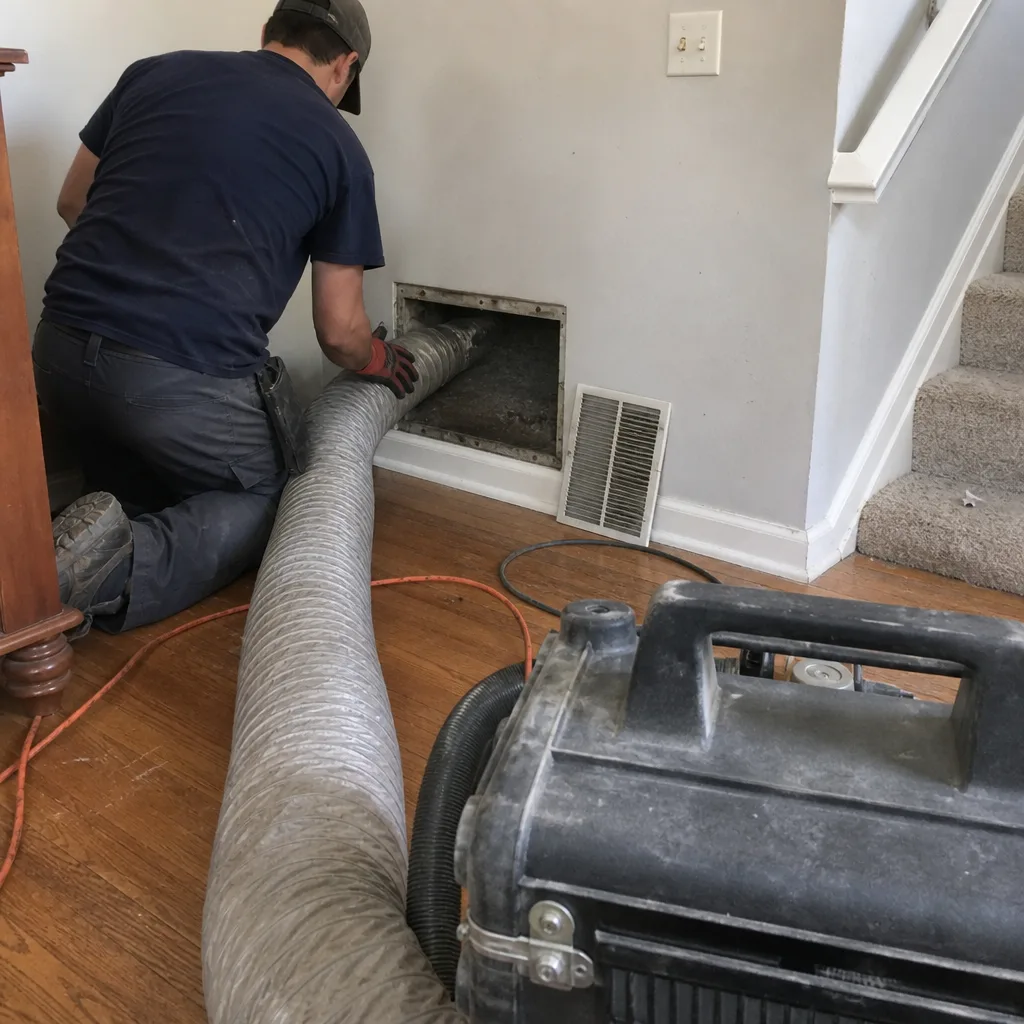 Before
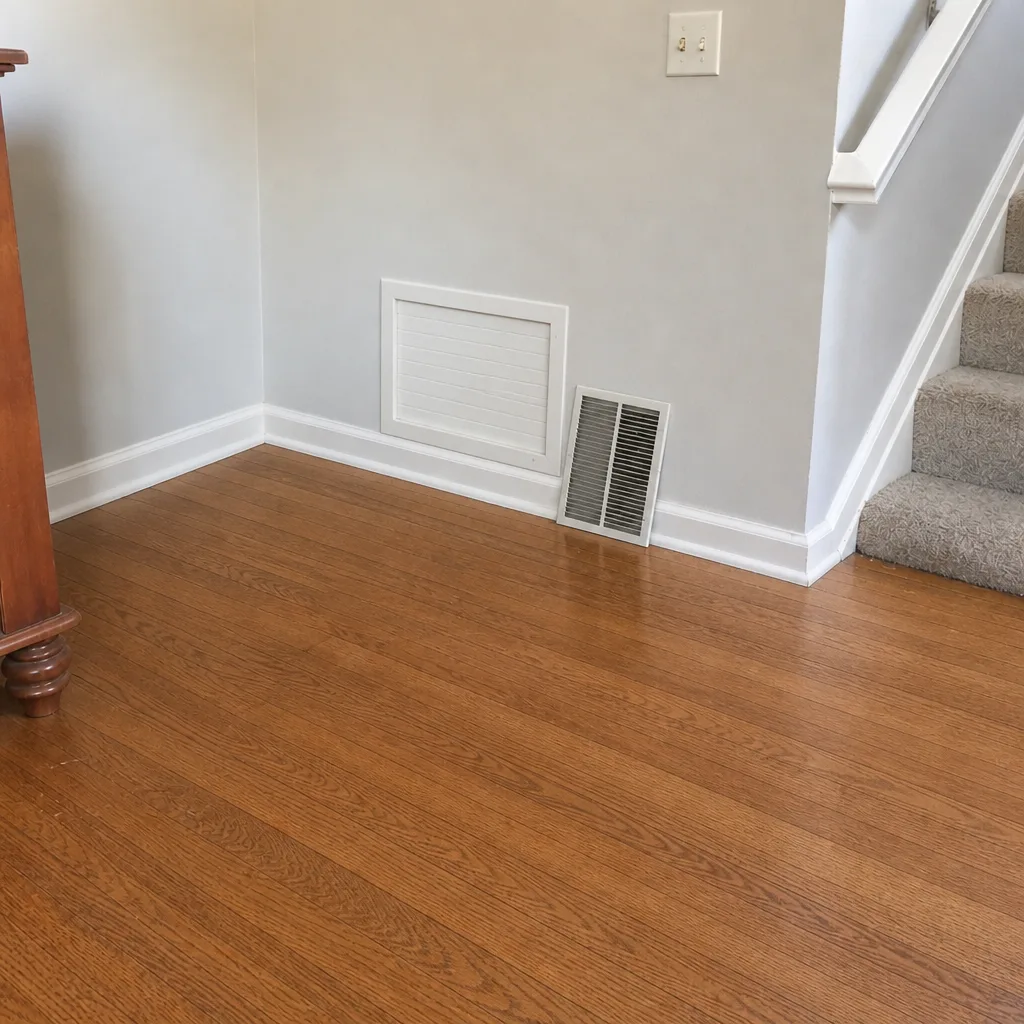 After
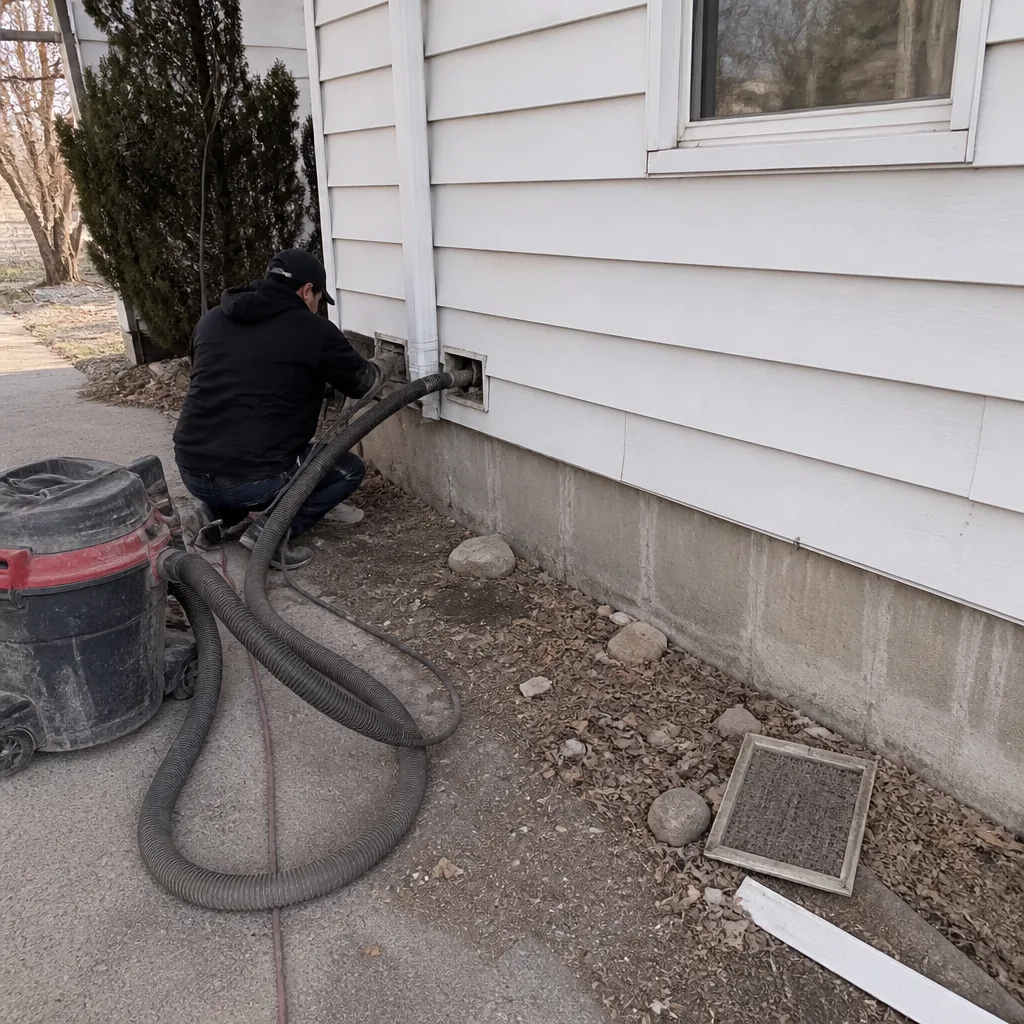 Before
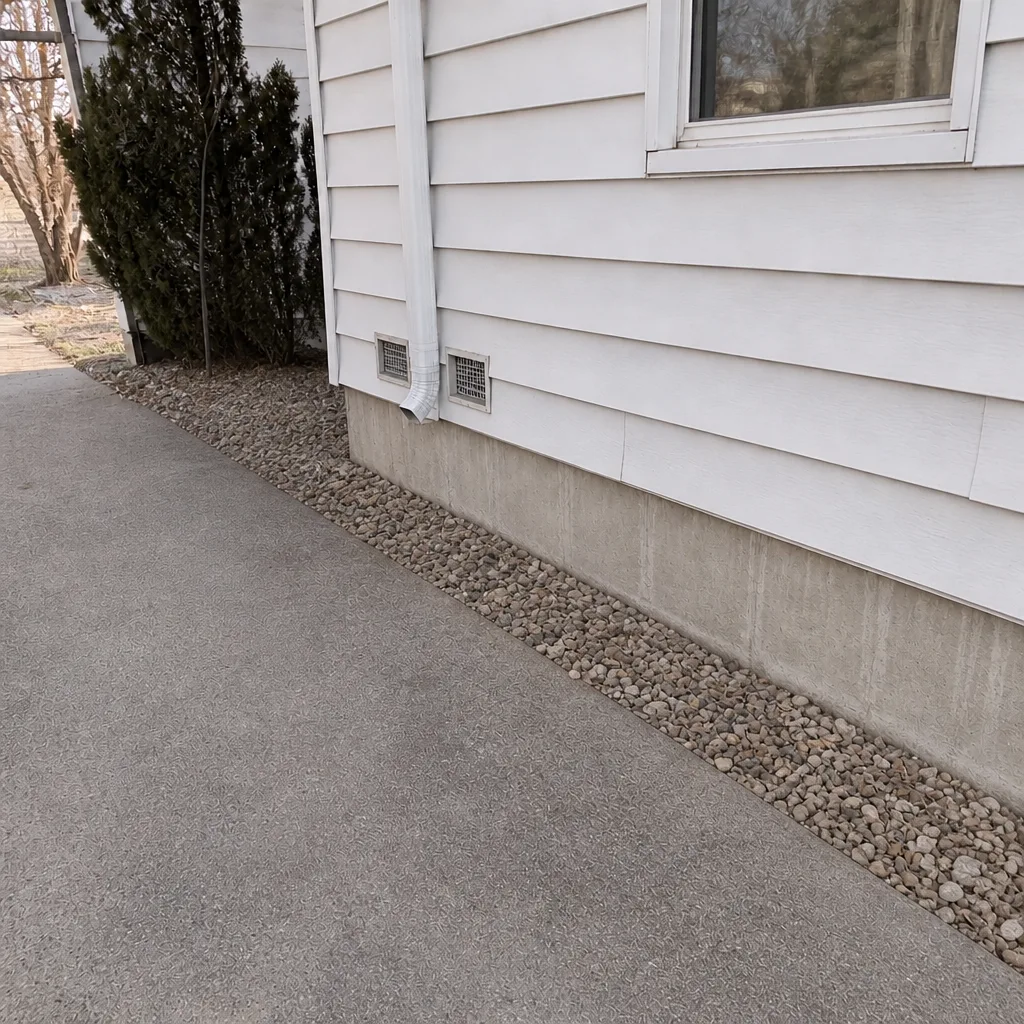 After
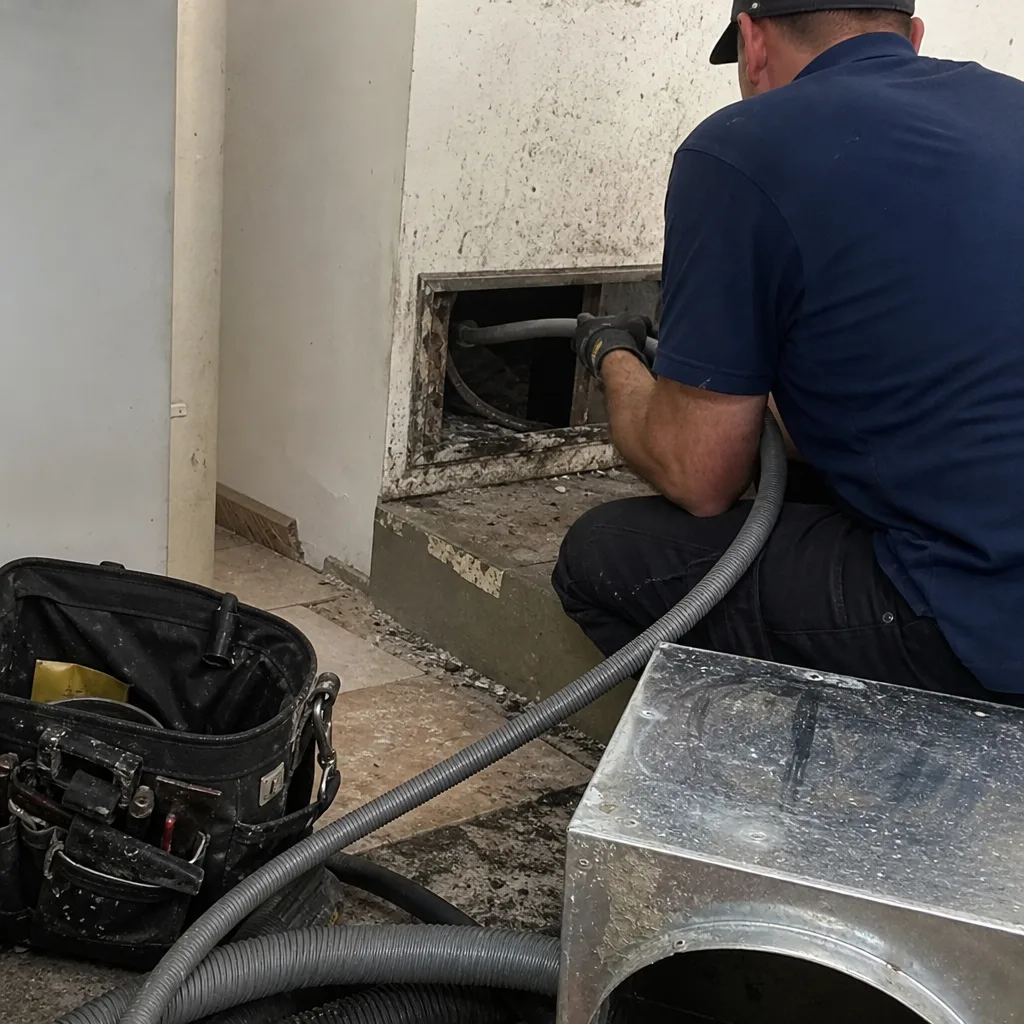 Before
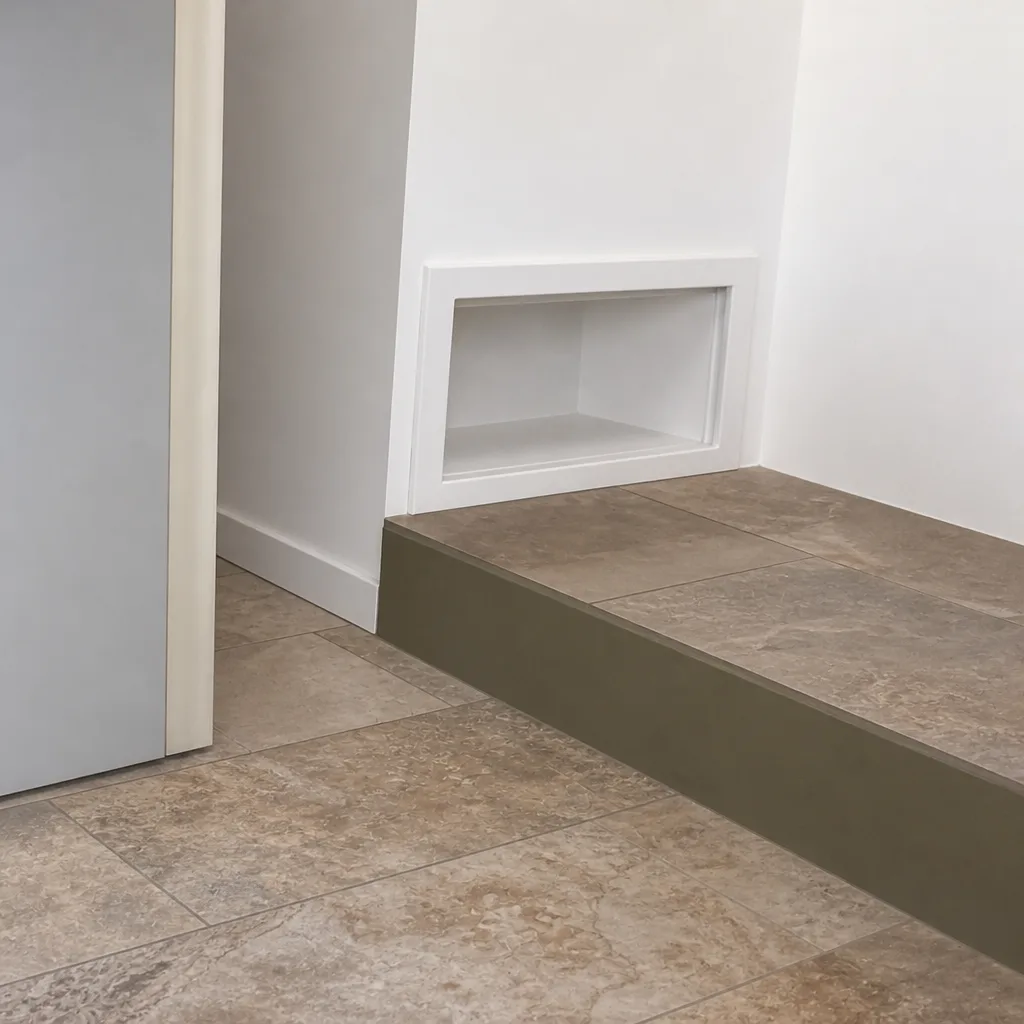 After
Common Mistakes to Avoid
- Assuming a low advertised price reflects the actual job. A quotation that sounds exceptionally low usually reflects a smaller scope than the system requires. Ask what’s included: which runs, what containment, and whether the air handler is part of the work. The written estimate sets the final price – get it in writing before anyone starts.
- Cleaning ducts after a renovation without containing the workspace. Dust dislodged from ducts in a home that just had drywall work done will re-settle into the freshly finished living space. Professional cleaning uses negative pressure so debris goes out with the equipment, not into your new paint.
- Pushing a brush into flex duct from inside the house. The rigid brush kit doesn’t know where the flex liner is thin. Compression is permanent. If you’re not sure what duct material your system uses, assume flex and leave it alone.
- Using a shop vac in the ductwork without a HEPA cartridge. Standard shop-vac filters exhaust fine particulate back into the room. If you’re going to vacuum at the register upgrade to a HEPA cartridge first.
- Skipping filter housing and blower compartment when doing register work. The grime that accumulates there gets pulled into the airstream every cycle. Cleaning the register and ignoring the filter housing is half a job.
- Assuming visible cleanliness equals actual cleanliness. Ducts can look fine from the register opening and hold significant settled debris twenty feet down the run. If you haven’t had a professional inspection, you don’t have data on interior condition.
- Treating air quality concerns as a one-time problem. The right follow-up schedule depends on what’s in the home. Pets, smokers, and recent construction all shorten the interval between cleanings. A one-time cleaning is a starting point, not a permanent fix.
When to Call a Professional
There are cases where professional cleaning isn’t a preference, it’s a necessity. Visible mold growth anywhere in the system is one. A musty smell that gets stronger when the HVAC runs is another – that’s a sign of moisture or biological growth inside the ductwork, and agitating it without capture equipment makes the problem worse. A recent significant renovation, a home older than roughly ten years that’s never been professionally cleaned, or a noticeable drop in airflow to any portion of the house all point the same direction. So does a dryer vent that’s not clearing lint or a return grille that’s caked with more than surface dust.
Salt Lake City Air Duct Cleaning Co offers free estimates in Salt Lake City. Our technicians have up to 14 years of experience and the team handles cleaning, repair, sealing, and sanitizing without handoffs to a second contractor. We also work with Aprilaire and Honeywell equipment so the air-quality components in your system are part of the conversation, not outside it. Call (855) 658-4198. We answer 24/7. Fast dispatch from 7am to 7pm, Sunday through Friday.
Frequently Asked Questions
Air duct cleaning in Salt Lake City typically runs $350 to $700 for a standard single-family home, with larger homes or heavier contamination at the higher end. The written estimate sets the final price, and a reputable company will give you one before any work starts. Call (855) 658-4198 to schedule a free estimate.
Lower quotes usually reflect a smaller scope of work – fewer runs cleaned, no negative-pressure containment, no filtration equipment on site, or a per-vent price that adds up well beyond the advertised number once the technician arrives. Ask what equipment will actually be on site and what’s included before comparing prices. Call (855) 658-4198 for a quote you can compare line by line.
Ask for before-and-after photos of your own duct runs, not stock images. A legitimately complete job leaves photographic documentation of the interior condition at both ends. If you can’t see the ducts you paid to have cleaned in the evidence you’re given, that’s a problem worth asking about.
Most homes benefit from professional cleaning every three to five years. Homes with pets, smokers, allergy sufferers, or recent renovation may need it more often. Homes with none of those factors and a clean professional cleaning history can stretch the interval. Call (855) 658-4198 if you’re unsure where your home falls.
Yes. Compressing flex duct with rigid brush kits permanently reduces airflow to those rooms. Disconnecting taped joints in crawl-space runs during brushing can introduce crawl-space air into the living space. And disturbing mold growth without containment equipment spreads spores through the home. The register-and-filter work is safe; anything inside the ducts is not.
Salt Lake City’s dry climate and inversions concentrate airborne particulate in the lower valley, and that particulate settles into duct systems the same way it settles on exterior surfaces. Homes in the valley floor tend to accumulate fine dust in ductwork faster than homes at elevation. A professional inspection will tell you whether your system is due. Call (855) 658-4198 for a free estimate.
The Bottom Line
DIY duct cleaning is legitimate for register and filter work and not legitimate for the duct interior. The CFM gap between consumer equipment and professional negative-pressure systems is too wide to close with effort or time, and the wrong tools inside flex duct or a crawl-space joint can create a repair bill larger than the cleaning it was meant to replace. Run your home through the four-variable framework – age, cleaning history, occupants, renovation – and let that result drive the decision. For the full picture of what professional Salt Lake City Air Duct Cleaning Co service involves, including what the team brings on site, call (855) 658-4198 for a free estimate with one flat price per system agreed before work starts.
Written by the team at Salt Lake City Air Duct Cleaning Co.