
Last updated November 24, 2026
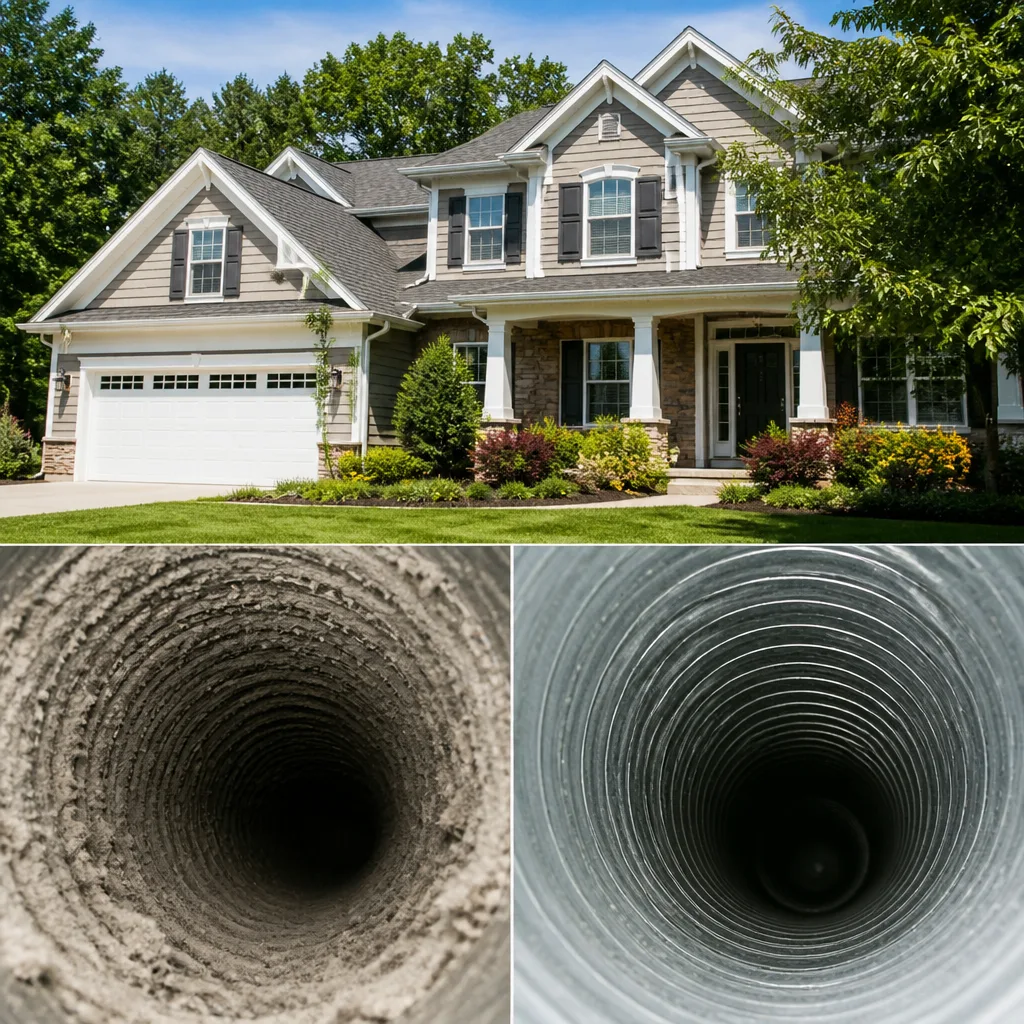 Whole-home duct cleaning
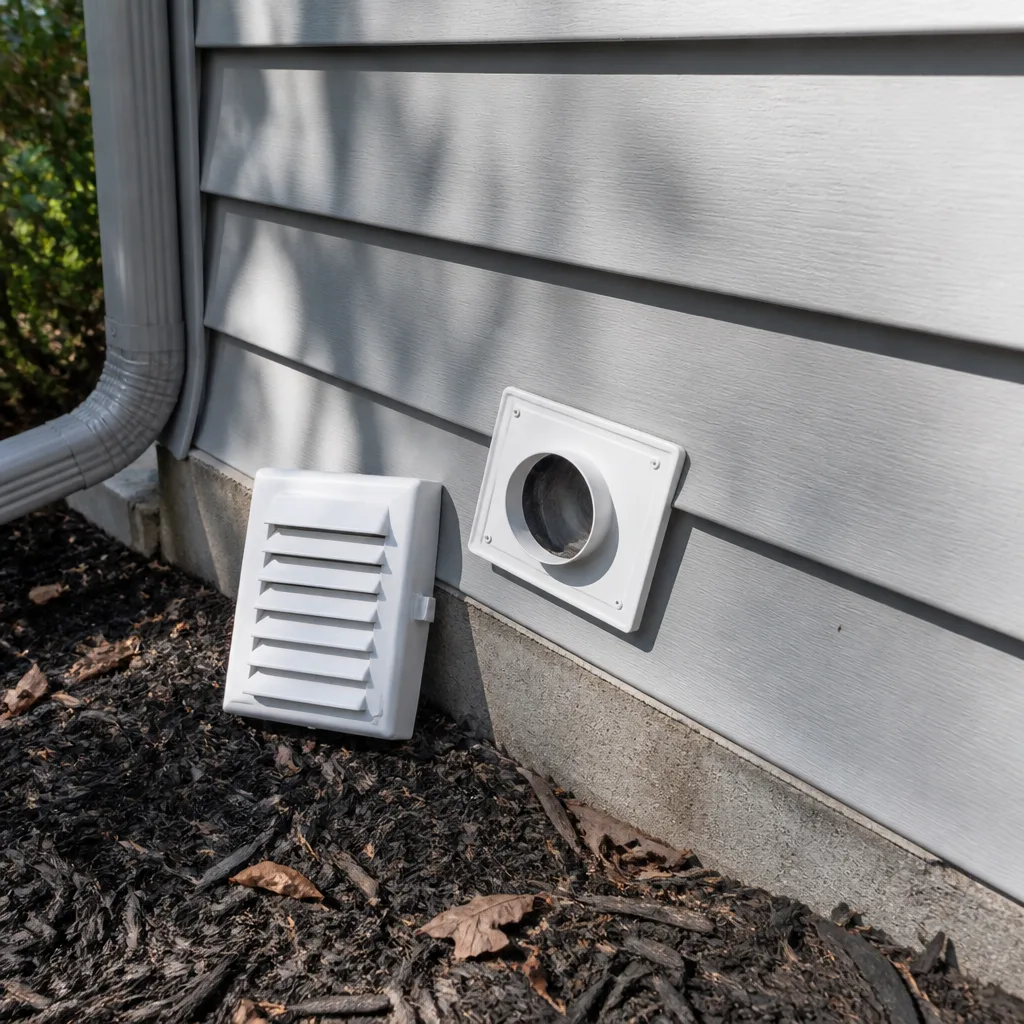 Dryer vent cleaning
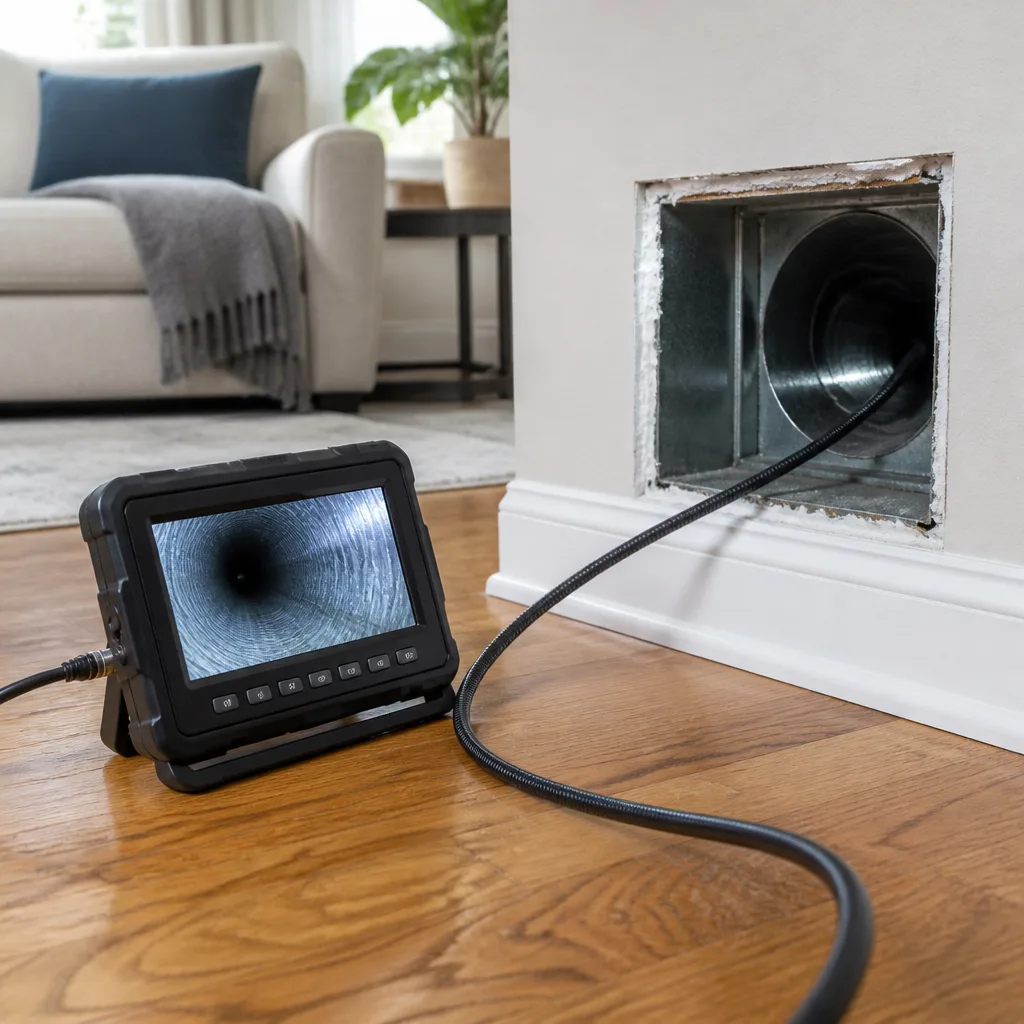 Camera inspection
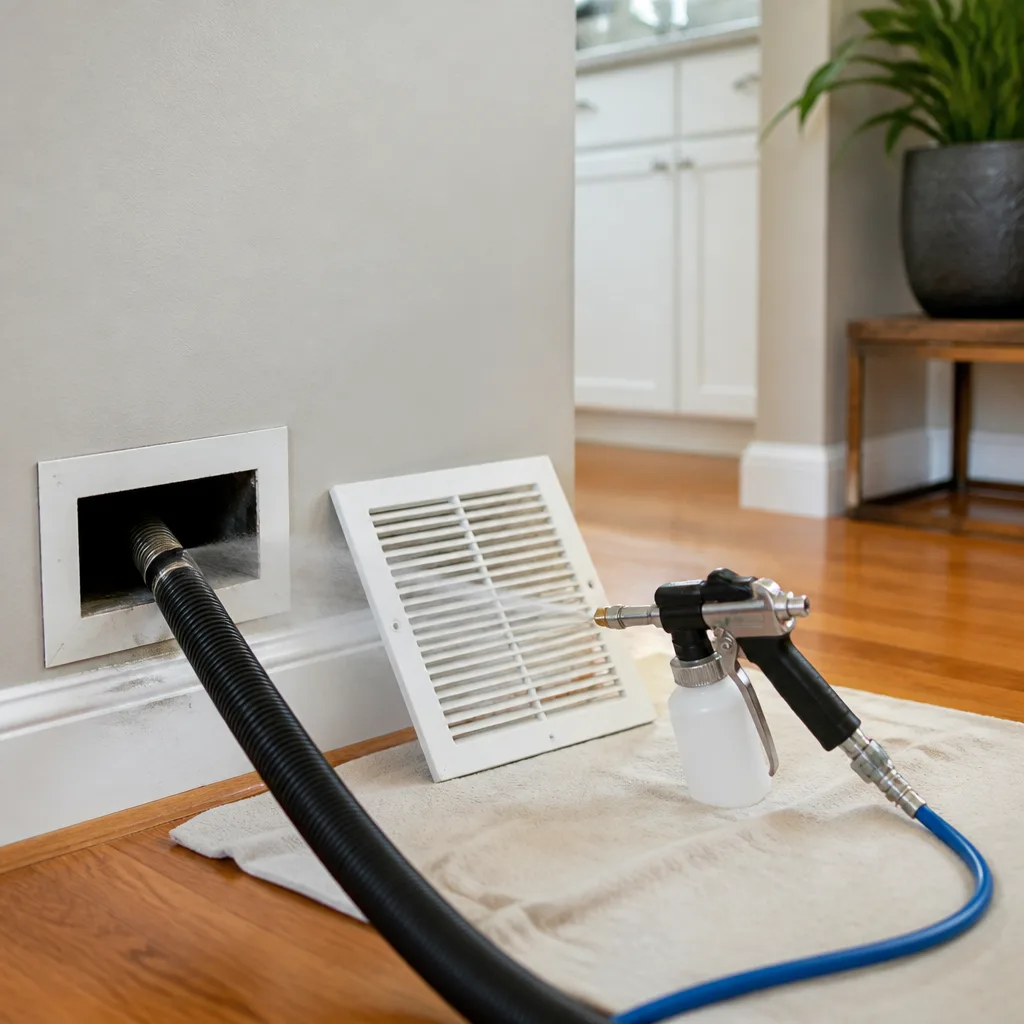 Sanitizing & deodorizing
Whole-system duct and dryer vent check with before-and-after photos - you see exactly what came out of your vents
That "$99 whole-house special" is a bait ad - the real number appears once they are in your hallway, or the "clean" is a shop-vac at the register. We photograph the inside of your ducts before and after instead.
Seasonal Air Duct Cleaning Care for Salt Lake City: Year-Round Homeowner’s Guide
Most Salt Lake City homeowners schedule their one annual duct cleaning in October, and that timing works against them. By the time the truck pulls away, the valley is days away from the start of inversion season, the stretch when cold air traps particulate against the Wasatch Front and your system runs hardest. You’ve cleaned the ducts just before the heaviest load of the year arrives. Timing matters as much as frequency here, because Salt Lake City doesn’t have one dust season. It has four, and each one puts something different into your ductwork. This guide breaks down what enters your system in each climate period, when cleaning pays off most, and how to tell whether your ducts are actually contaminated before you book anything.
Quick Answer
For most Salt Lake City homes, the highest-value duct cleaning window is late March through April, right after inversion season ends and before spring construction dust peaks. A single annual cleaning doesn’t fit this valley well; homes near active building phases or with allergy-sensitive occupants often do better on a spring-plus-fall schedule. Confirm contamination with a look inside the supply plenum and a filter-load check before you schedule.
Styles & brands we work with
- Whole-home duct cleaning
- Dryer vent cleaning
- Camera inspection
- Sanitizing & deodorizing
Table of Contents
- Why Salt Lake City Has Four Duct Seasons, Not One
- Winter: Inversion Season and What It Pushes Through Your Ducts
- Spring: The Highest-ROI Cleaning Window
- Summer: Ozone, Wildfire Smoke, and Filtration Trade-Offs
- Fall: Evaporative Cooler Transition and the First Furnace Run
- New Construction Dust: Daybreak, Herriman, and South Jordan
- How to Confirm Your Ducts Need Cleaning
- Common Mistakes to Avoid
Why Salt Lake City Has Four Duct Seasons, Not One
A generic duct cleaning schedule assumes a fairly stable outdoor environment: some pollen in spring, some dust in summer, and a filter change now and then. Salt Lake City doesn’t cooperate with that model. The valley sits against the Wasatch Range, which shapes how air moves and settles across the metro. Cold winter air pools in the basin and holds particulate close to the ground. Spring brings wind and active construction across the south and west valley. Summer delivers ozone and, in bad years, wildfire smoke from well outside the state. Fall is a transition period where cooling systems hand off to heating systems and moisture gets introduced into ductwork that’s been dry for months.
Each of those periods loads your duct system differently. Winter is a sustained fine-particulate problem. Spring is a coarse-dust and debris problem. Summer is a chemical and smoke problem. Fall is a moisture and biological-growth problem. A cleaning that removes winter’s fine particulate does nothing for fall’s moisture risk, which is why the annual-October habit many Salt Lake City households follow leaves gaps.
What the seasons actually change:
- Filter load: Winter and summer both drive heavy filter loading, but for different reasons. In winter it’s fine particulate from inversion; in summer it’s smoke and outdoor ozone reacting with indoor surfaces.
- Cleaning frequency: A home with no pets, no smokers, and no construction nearby can often go longer between cleanings. A home near an active build phase or with an allergy-sensitive occupant usually can’t.
- Air handler maintenance: The blower wheel and evaporator coil collect whatever the ducts carry, so heavy seasonal loading shows up there first as reduced airflow and higher static pressure.
Winter: Inversion Season and What It Pushes Through Your Ducts
Salt Lake Valley inversions form when a layer of warmer air settles over colder air near the ground, trapping pollutants in the basin. During an extended inversion, the particulate doesn’t disperse; it accumulates, and your HVAC system is pulling that air through the return ducts continuously. Whatever the filter doesn’t capture ends up coating the inside of the duct runs, the blower wheel, and the evaporator coil.
The practical result is a system working harder against its own internal resistance. When the blower and coil are coated, static pressure rises, airflow drops, and the furnace runs longer to satisfy the thermostat. You may notice uneven heating, rooms that never quite warm up, or a musty smell the first time the heat cycles on after a cold snap. None of those are duct-cleaning emergencies, but together they’re a signal that the system is carrying more load than it should.
What helps during inversion season:
- Run the blower on low continuously if your thermostat supports it. Continuous low-speed circulation keeps air moving through the filter rather than letting particulate settle in the ducts between cycles.
- Change the filter on schedule, not when it looks bad. Inversion particulate loads a filter from the inside out; by the time the face looks gray, airflow has already dropped.
- Skip the impulse to open windows on a clear inversion-day afternoon. The clearing is often temporary, and you’ll pull the trapped layer back in when it re-settles.
- Note the smells. If the furnace run produces a musty or dusty odor that lingers past the first few minutes, that’s worth a look inside the supply plenum.
Winter isn’t the season to schedule a cleaning, in most Salt Lake City homes. It’s the season to observe, keep the filter fresh, and note any airflow or odor symptoms so you can act on them in spring.
Spring: The Highest-ROI Cleaning Window
Late March through April is the best window for most homes in Salt Lake City, and the reasoning is straightforward. Inversion season has ended. The heating system has run its heaviest stretch and deposited its load. Construction dust is about to ramp up. Cleaning in that gap removes the winter accumulation before the spring dust arrives, so the system starts the dusty season clean rather than half-loaded.
Spring cleanings also set up the cooling season. The evaporator coil, which spent winter dormant, is about to run continuously. A coil that’s been coated with winter particulate will frost unevenly, lose capacity, and drip into a drain pan that’s also been collecting dust. Cleaning the ducts and the air handler together in spring means the cooling equipment starts the season at full airflow rather than fighting a winter’s worth of buildup.
Spring is also when a professional cleaning reveals things worth fixing. Duct runs that have pulled apart at a joint, flex duct that’s kinked or crushed behind a run, and return-side leaks that pull attic or crawlspace air into the supply are all common findings. Because we handle air duct cleaning and duct repair and sealing as one service, a spring cleaning doesn’t end with a report you have to hand to a second contractor.
Why the timing pays off:
- Removes winter’s fine particulate before it can bake onto the coil during the first cooling cycle.
- Gets the system clean before spring construction dust and pollen load it again.
- Reveals joint separations and crushed runs while there’s still time to seal them before cooling season.
- Lets you enter summer with a known baseline for filter-change intervals.
If you can only schedule one cleaning per year in Salt Lake City, this is the window.
Summer: Ozone, Wildfire Smoke, and Filtration Trade-Offs
Summer in the Salt Lake Valley brings two distinct air-quality problems: ground-level ozone on hot, still days, and wildfire smoke when fires burn in surrounding regions and the prevailing flow carries it into the basin. Ozone is a gas and passes through standard filters; smoke is particulate, and that’s where filtration decisions start to matter.
Many homeowners respond to smoke season by upgrading to a MERV-13 filter, and that’s often the right call. But it comes with a trade-off worth understanding. Higher-MERV filters capture finer particulate at the cost of higher static pressure, and a system that was designed for a MERV-8 filter may not have the blower capacity to push enough air through a MERV-13 without losing airflow. A system running a MERV-13 with a dirty blower and an already-restrictive duct layout will lose capacity on hot days, exactly when you need it most.
How to decide:
- Check the filter slot dimensions and the manufacturer’s stated maximum MERV for the equipment. Most residential systems specify a maximum; stay at or below it.
- If the system has a variable-speed blower, it can often compensate for the added pressure with a small airflow penalty. A single-speed blower has less room.
- Watch for symptoms during the first week on a higher-MERV filter: longer run times, weak airflow at far registers, or coil icing. Any of those means the filter is too restrictive for the system as configured.
- Change the higher-MERV filter more often through smoke season. A MERV-13 loaded with smoke particulate is far more restrictive than a MERV-8 loaded the same way.
When smoke has penetrated far enough that the house smells of it after the windows have been shut for a day, duct sanitizing becomes part of the conversation. Smoke odor that persists in the supply air after a filter change usually means the particulate has settled into the duct interior and the coil, and cleaning plus a sanitizing treatment is the way to clear it. That’s a different job than a standard cleaning, and it’s worth asking for specifically if you’ve had a bad smoke season. Our technicians have up to 14 years of experience reading that distinction.
Fall: Evaporative Cooler Transition and the First Furnace Run
The fall transition is the part of the year that gets the least attention and causes the most preventable problems. If your home runs an evaporative cooler through the summer, the cooler introduces moisture into the air stream that the ductwork handled dry for the prior nine months. Duct liner, especially the foil-faced or fiberglass-acoustic types common in older Salt Lake City homes, absorbs that moisture. Over a season it can support biological growth and, in the worst cases, delaminate.
The risk sharpens at the first furnace run. When the heating system comes back on, it moves warm, dry air through duct runs that may still be holding moisture from the cooling season. That’s when a musty smell appears, and it’s the clearest signal that something in the duct system needs attention before winter.
What to inspect before the first furnace run:
- Duct liner condition. Look through a supply register with a flashlight. Foil facing that’s peeling, dark staining, or visible fiberglass shedding are all reasons to book a professional inspection.
- Evaporative cooler duct damper. The damper that isolates the cooler duct from the main system should close fully. A damper that doesn’t seal lets cold outdoor air bypass your filter in winter and warm air leak into the cooler duct in summer.
- Condensate drain and pan. If the system has an evaporator coil, check that the drain pan is dry and the line is clear before heating season.
- Return-side joints. Fall is a good time to check whether any return duct in an attic or crawlspace has pulled apart at a joint, since that’s where outdoor and unconditioned air gets pulled in.
A fall cleaning isn’t the highest-value cleaning of the year for most homes, but a fall inspection absolutely is. The difference is that a cleaning removes accumulation and an inspection confirms that the moisture path from the cooling season hasn’t left a problem behind. That’s the piece the October cleaning habit usually skips.
New Construction Dust: Daybreak, Herriman, and South Jordan
The south and west valley suburbs that have been building out most heavily, including Daybreak, Herriman, and South Jordan, sit in a band where active construction happens within a fairly short distance of established homes. During an active build phase, that distance matters, because construction produces a volume of fine particulate that ordinary landscaping dust doesn’t: drywall sanding dust, concrete cutting slurry that dries and goes airborne, framing sawdust, and the general dust of grading and excavation.
Homes in these neighborhoods often see a distinctly seasonal spike in duct contamination that has nothing to do with the outdoor air quality the rest of the valley experiences. It shows up as fine white or gray dust accumulating on horizontal surfaces inside the home faster than usual, filters that load prematurely, and registers that show visible buildup within a few months of a cleaning. The practical fix is a cleaning schedule timed to the build phase rather than the calendar, plus a filter change interval shortened during active construction nearby.
What to do when there’s a build going on near your home:
- Shorten your filter change interval while construction is active. A filter that would normally last a full season may need changing twice as often during a heavy build phase.
- Keep windows closed on windy days and during grading or excavation. Construction dust is worst during dry, breezy conditions.
- Schedule the seasonal cleaning at the end of the build phase rather than the start, so the cleaning removes the accumulated construction load rather than preceding it.
- Check the return side for leaks. A return duct that’s leaking in a garage, attic, or crawlspace will pull construction dust into the system directly.
If you’re in one of these neighborhoods and you’re seeing faster-than-normal dust accumulation, the answer isn’t always to schedule a cleaning sooner. Often it’s to confirm whether the return side is sealed and whether the filter interval is being respected. Those two checks come before any cleaning.
How to Confirm Your Ducts Need Cleaning
Before you book a cleaning, it’s worth confirming that the ducts are actually contaminated rather than just old. Most homes have some dust in their ducts, but the question is whether the accumulation is enough to affect airflow, air quality, or the equipment. A few checks you can do yourself will give you a clear answer.
- Look through a supply register with a flashlight. A light coating of dust is normal. Visible buildup that’s thick enough to obscure the duct interior, dark staining, or debris resting on the duct floor is a reason to schedule an inspection.
- Check the return grille and the supply plenum. If the return grille is coated and the ducts behind it are visibly loaded, the system is carrying more than it should.
- Note filter life. A filter that’s loading noticeably faster than it did a year ago suggests the ducts are contributing more particulate to the airstream.
- Watch for symptoms. Uneven airflow, musty odors on startup, and visible dust settling on surfaces shortly after cleaning are all signals that warrant a professional look.
A proper inspection confirms contamination with a look at the supply plenum, the main trunk, and the air handler, not with a sales pitch. If you want the full picture, the Salt Lake City air duct cleaning overview covers what a professional cleaning involves, and our team can give you a free estimate once we’ve confirmed the ducts actually need attention. Cleaning performed with professional equipment like a Rotobrush or Nikro contact-vacuum system plus an Abatement Technologies air-filtration unit will capture the dislodged particulate at the source rather than redistributing it through the living space.
Common Mistakes to Avoid
- Cleaning in October and calling it done. October finishes just before inversion season starts, which is the worst possible ordering. A spring cleaning, before construction dust ramps up, is the higher-value schedule for most Salt Lake City homes.
- Replacing a MERV-13 filter with a MERV-13 filter mid-season. A loaded higher-MERV filter is far more restrictive than it was when new. If you switch to MERV-13 for smoke season, shorten the change interval; don’t just swap on the usual schedule.
- Skipping the evaporative cooler inspection in fall. Cooler-season moisture is the most common cause of duct liner problems in Salt Lake City homes, and the first furnace run is when a problem reveals itself as a smell. Inspect before the heat comes on.
- Assuming construction dust is just landscaping dust. If you’re in Daybreak, Herriman, or South Jordan and there’s an active build nearby, the dust is finer and more abrasive than ordinary outdoor dust. Shorten the filter interval and check the return side for leaks.
- Booking on price alone. A portable-only cleaning won’t dislodge what’s caked onto a blower wheel or a coil. Ask what equipment will be used and whether an air-filtration unit will be on site, and confirm the price is per system rather than per vent.
- Ignoring the air handler. Duct cleaning that stops at the register and doesn’t touch the blower wheel or coil leaves the largest contributor to airflow loss untouched. One company for cleaning, repair, sealing, and sanitizing means the air handler is part of the scope.
- Cleaning a system with an open return leak. If a return duct has pulled apart in the attic, a cleaning followed by no sealing puts the system back into the same condition within a few months. Seal first, then clean.
See the difference
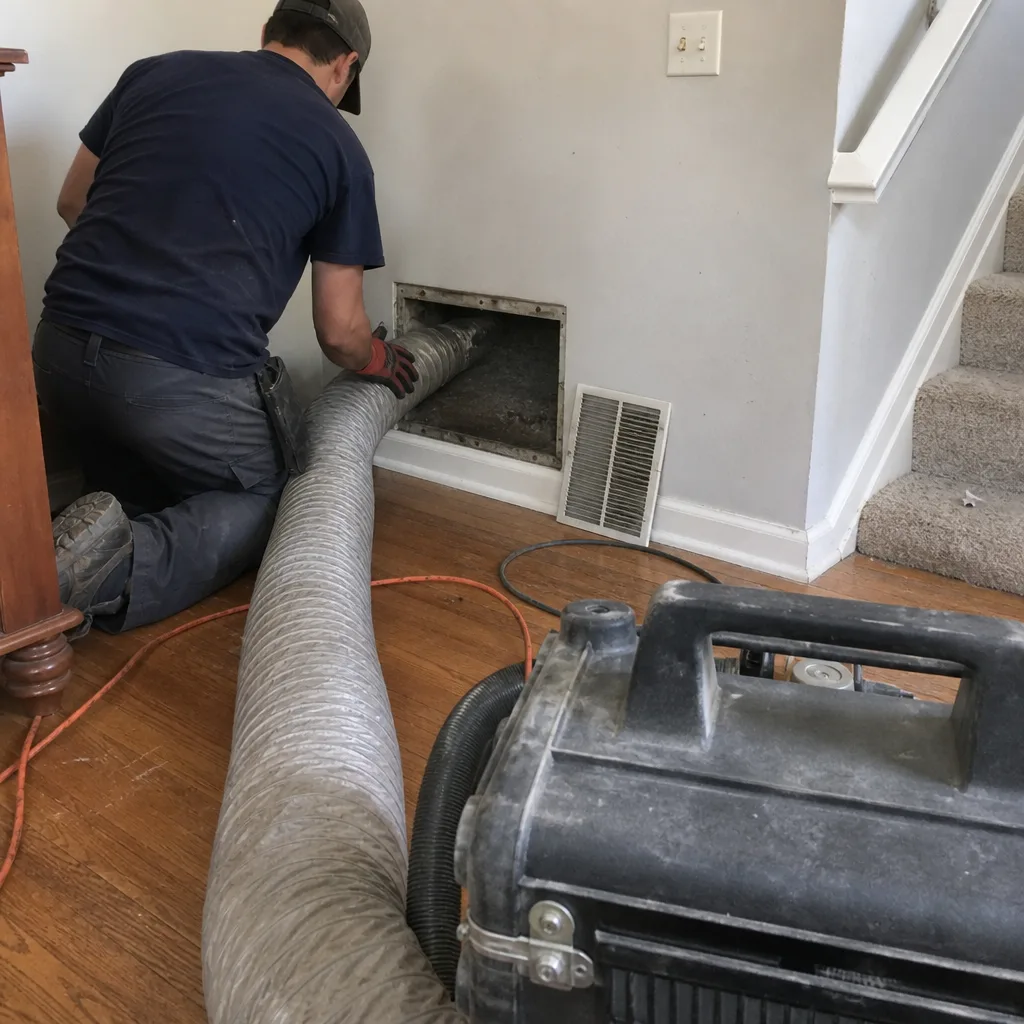 Before
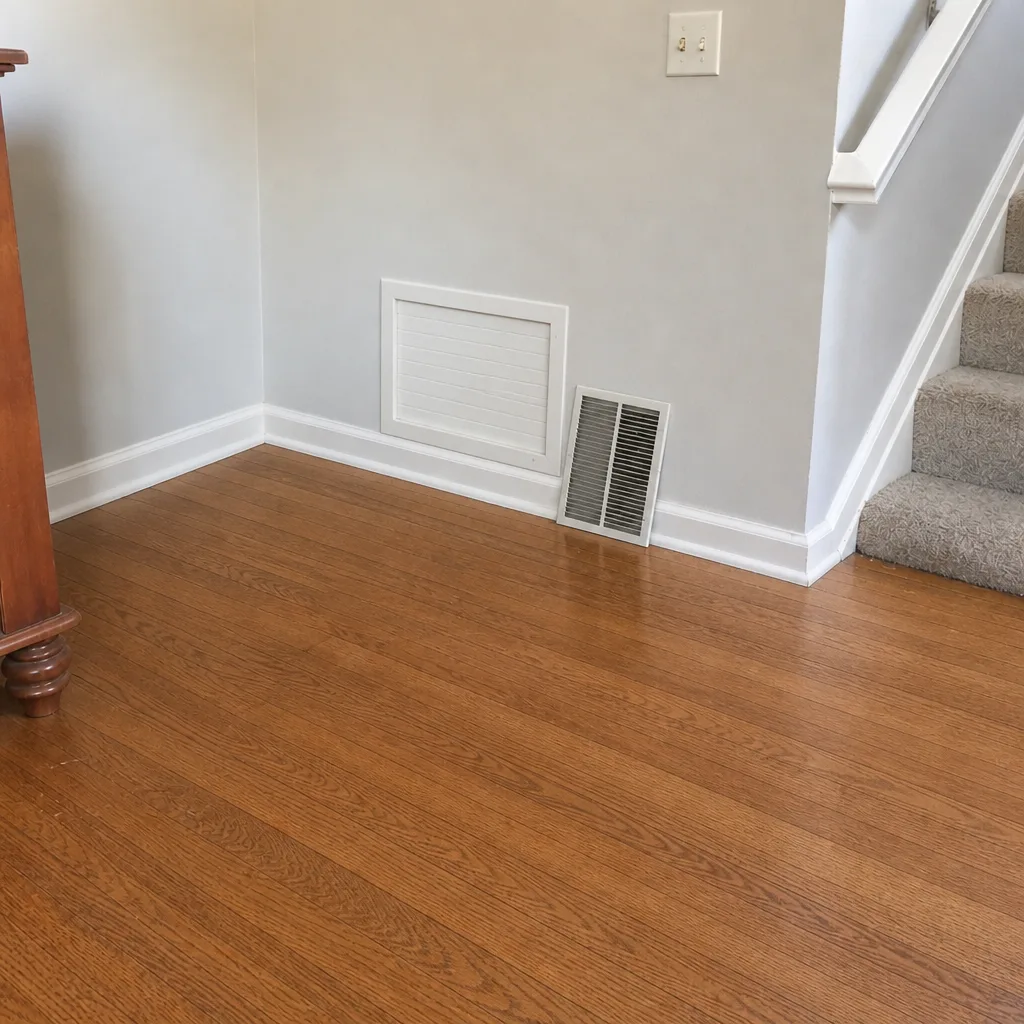 After
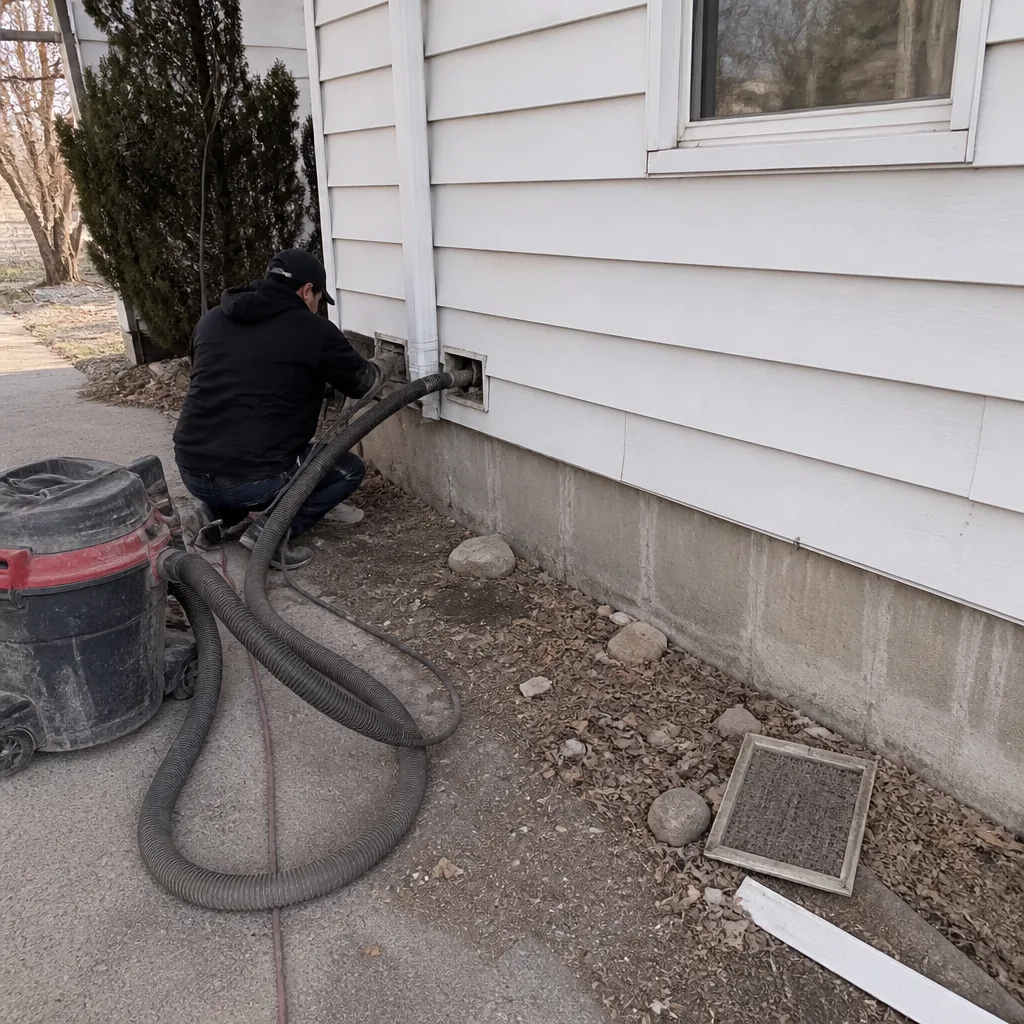 Before
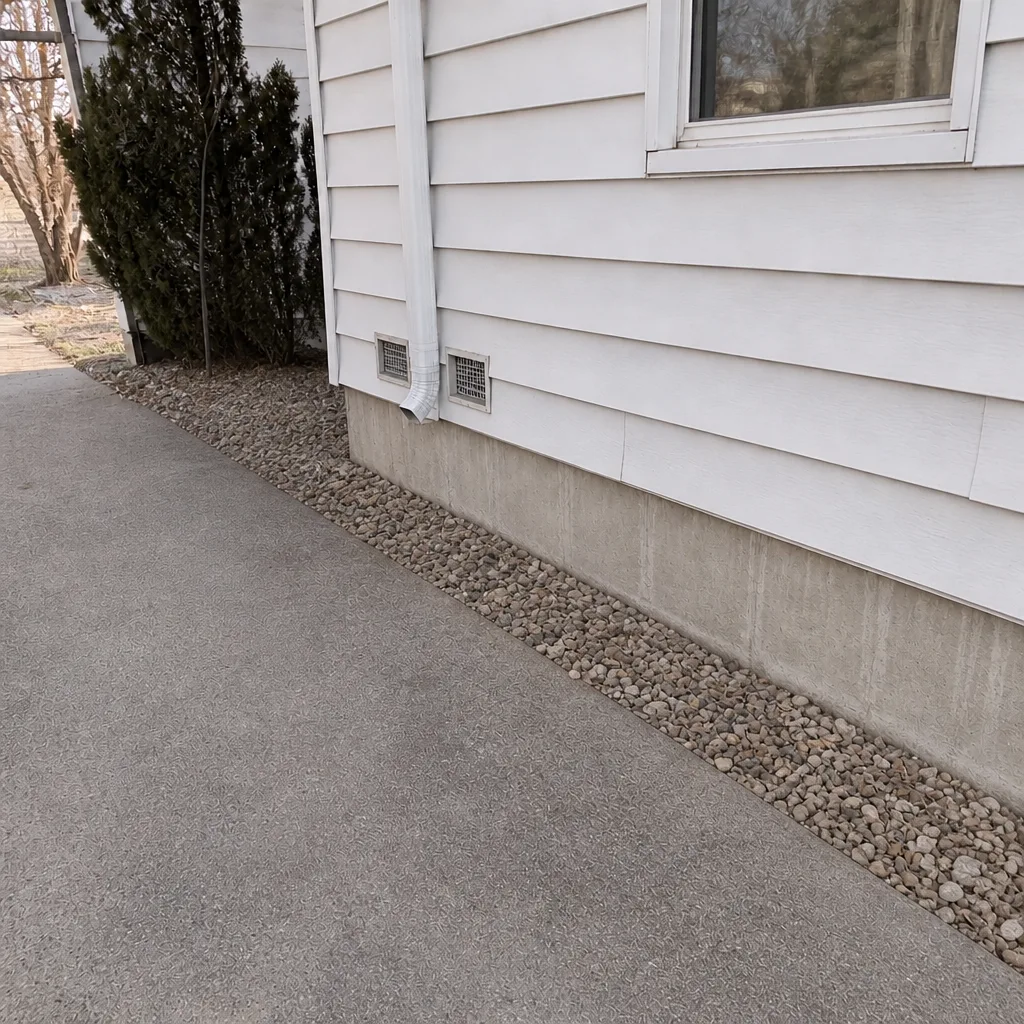 After
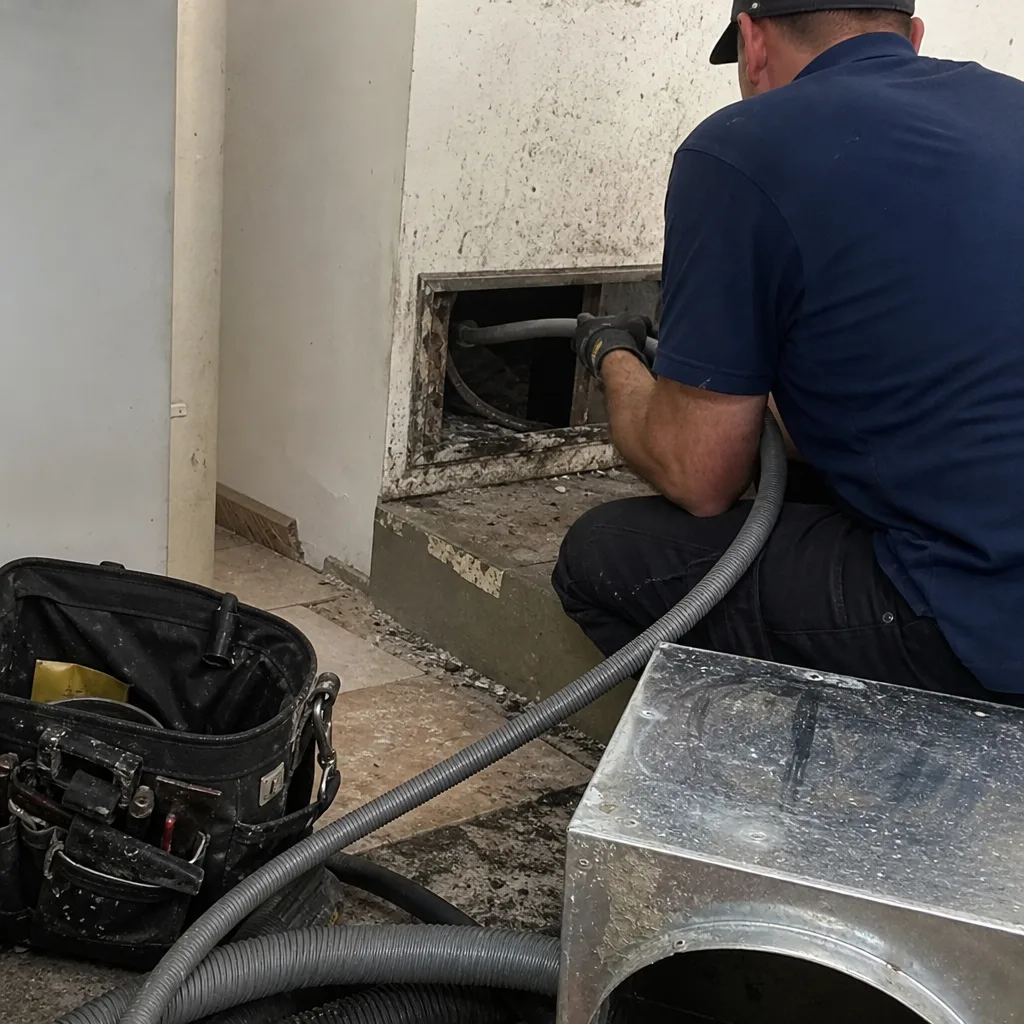 Before
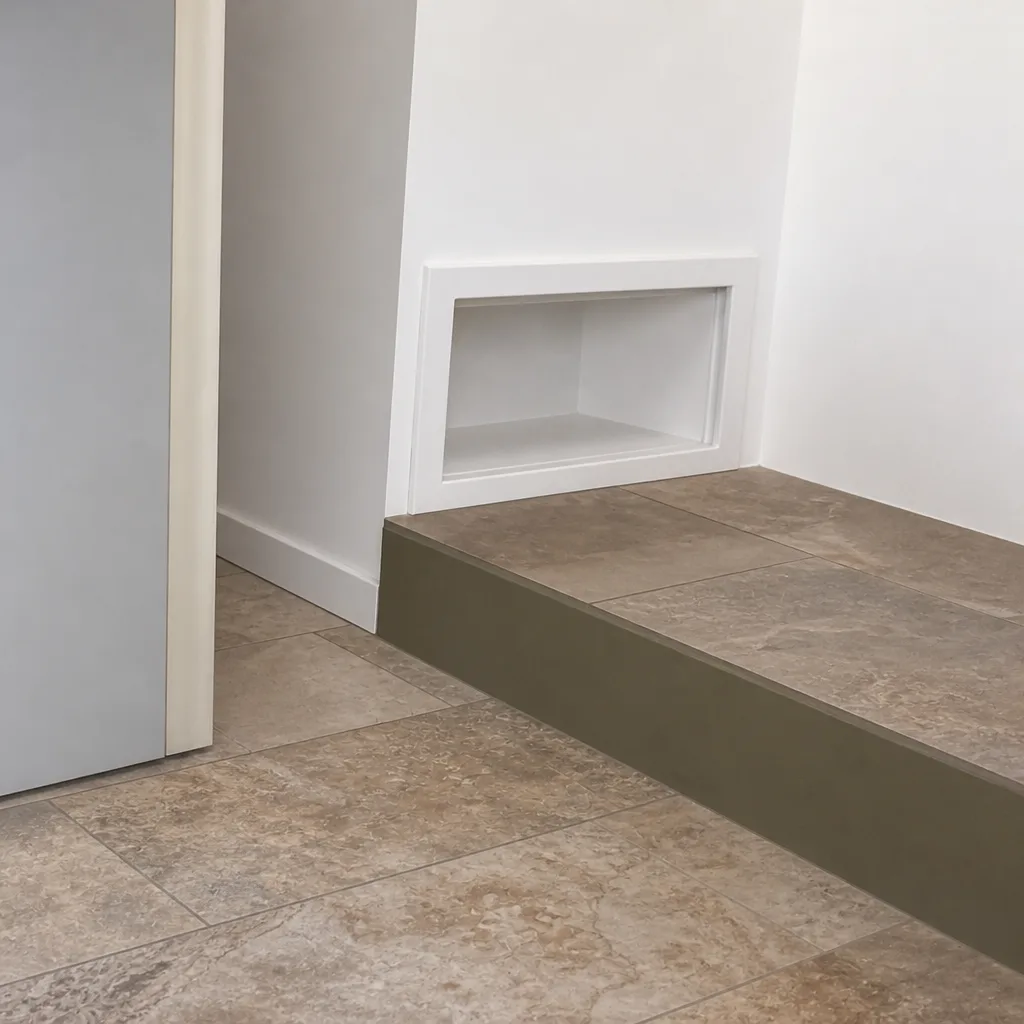 After
When to Call a Professional
Call a professional when you can see visible buildup inside a supply or return duct, when a musty odor appears on the first heat or cooling cycle of the season and doesn’t clear, when a filter loads noticeably faster than it did last year, or when you notice airflow dropping at far registers. Call sooner if you’re near an active construction phase in Daybreak, Herriman, or South Jordan and dust is accumulating fast. If an evaporative cooler ran through the previous season and you haven’t inspected the duct liner since, book an inspection before the first furnace run of the fall.
Salt Lake City Air Duct Cleaning Co offers free estimates in Salt Lake City. Call (855) 658-4198 to schedule one. We answer 24/7. Fast dispatch from 7am to 7pm, Sunday through Friday.
Frequently Asked Questions
Most Salt Lake City homes do best with a cleaning timed to the spring window and a follow-up every two to three years unless there’s a specific reason to clean more often. Reasons for a shorter interval include nearby construction, pets, allergy-sensitive occupants, recent remodeling, or a wildfire-smoke season that pushed smoke into the duct system.
Late March through April is the best window for most homes, after inversion season ends and before spring construction dust peaks. This timing removes the winter’s fine particulate before the cooling system starts running continuously, and it lets you enter summer with a clean baseline for filter changes. A fall inspection before the first furnace run is a separate, worthwhile appointment.
Yes, with a caveat. A MERV-13 filter captures a much larger share of smoke particulate than a standard filter, but it also raises static pressure and can reduce airflow on a system without blower capacity to spare. Check the equipment’s maximum rated MERV, watch airflow at far registers in the first week, and change the filter more often during smoke season.
It can, if the source is moisture that reached duct liner or the coil during the cooling season. If the smell appears on the first furnace run in fall, that’s the signal to inspect the liner and the air handler. Cleaning plus a sanitizing treatment typically resolves it; if the liner has delaminated, duct repair may be part of the fix.
Yes, during active build phases. Homes in Daybreak, Herriman, and South Jordan often see faster filter loading and visible dust buildup while construction is underway nearby. The practical response is a shorter filter-change interval during the build and a cleaning scheduled after the build phase rather than before it.
Ask for before-and-after photos of the ducts and the air handler, and ask which equipment was used on site. A professional cleaning uses a contact-vacuum and negative-pressure system with an air-filtration unit to capture particulate at the source, and the technician can show you what came out. Our technicians use Rotobrush and Nikro equipment plus an Abatement Technologies filtration unit on every job, and a written estimate sets the price per system before work starts.
The Bottom Line
Salt Lake City doesn’t have a single duct season. Winter inversion fills the system with fine particulate, spring delivers construction dust, summer brings smoke and ozone, and fall introduces moisture from the cooling season. A single cleaning in October misses all of it. Time the main cleaning to late March or April, inspect in fall before the first furnace run, and shorten the filter interval during a nearby build phase. If the system is loaded and the filter loading is speeding up, a professional cleaning with proper equipment will show you a measurable difference. Our team handles cleaning, repair, sealing, and sanitizing as one visit so nothing gets handed off. For a free estimate, call (855) 658-4198. We answer 24/7. Fast dispatch from 7am to 7pm, Sunday through Friday. If you’re weighing a full HVAC cleaning alongside the ducts, or want to add dryer vent cleaning to the visit, we can scope both into the same estimate.
Written by the team at Salt Lake City Air Duct Cleaning Co.